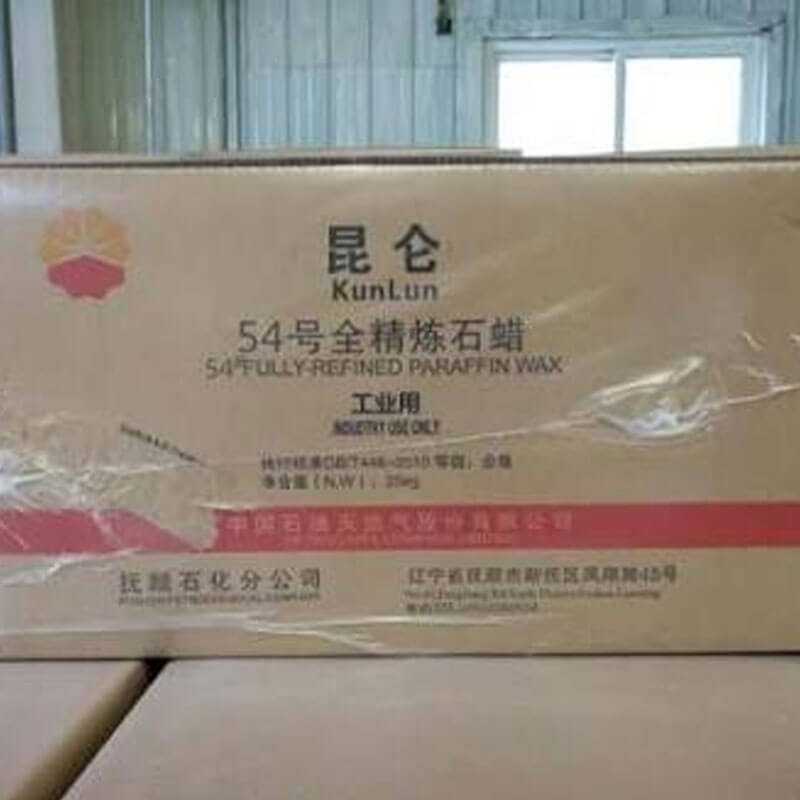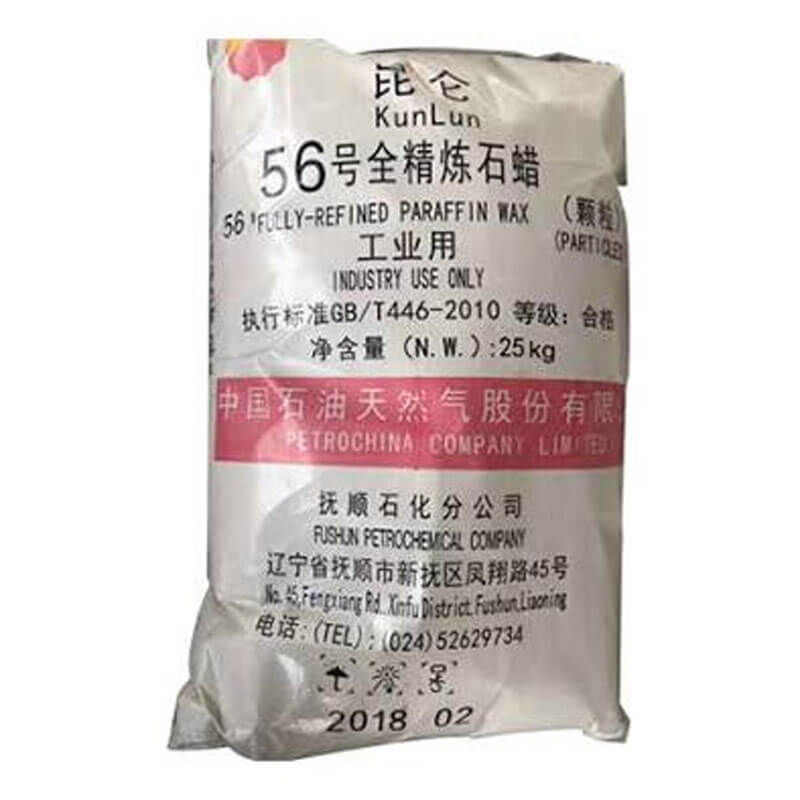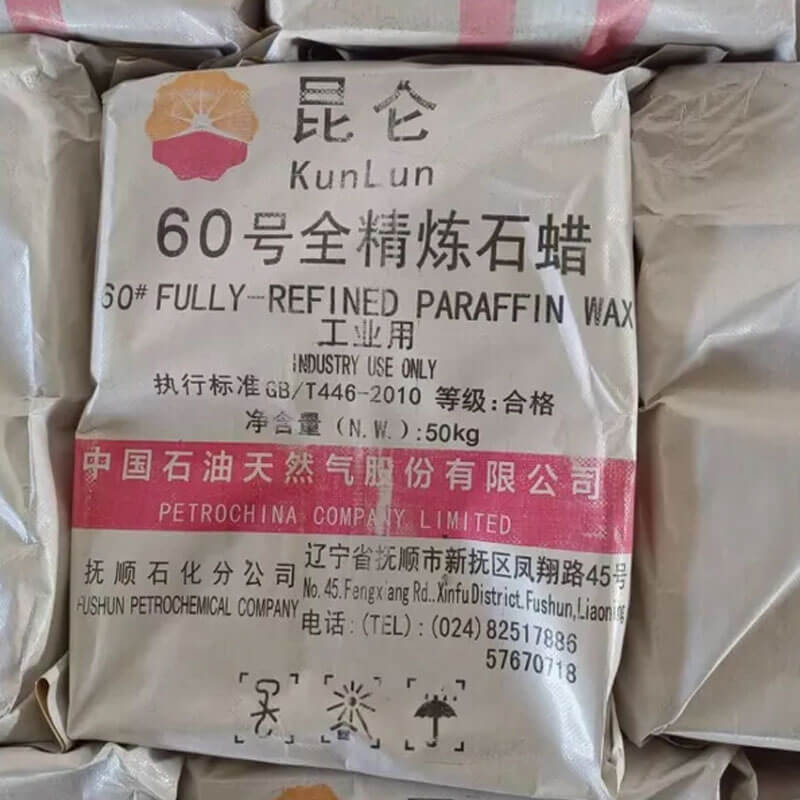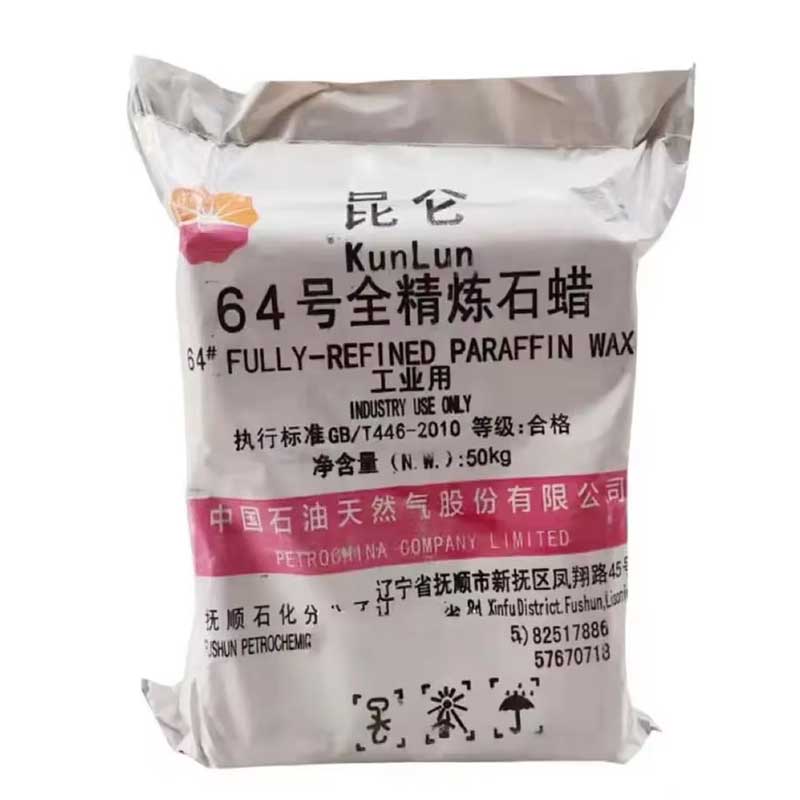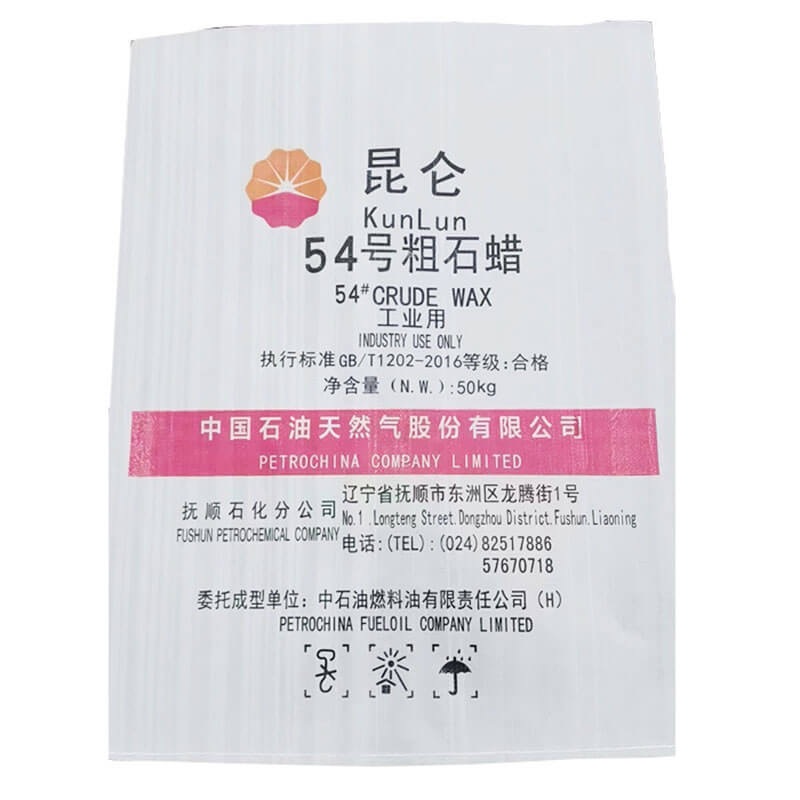
54# Crude Paraffin Wax

    • Product Name: 54# Crude Paraffin Wax
    • Factroy Site: No. 45 Fengxiang Road, Xinfu District, Fushun City, Liaoning Province
    • Price Inquiry: sales4@ascent-chem.com
    • Manufacturer: PetroChina Fushun Petrochemical Company
    • CONTACT NOW
    Specifications
    HS Code 792868
    Melting Point 54°C
    Oil Content 1.5% max
    Needle Penetration 25 C 20 - 30 1/10 mm
    Kinematic Viscosity 100 C 4.5 - 6.0 mm²/s
    Flash Point Open Cup 200°C min
    Color White to light yellow
    Odor Slight petroleum odor
    Density 20 C 0.90 - 0.92 g/cm³
    Moisture Nil
    Mechanical Impurities None
    Solubility Soluble in petroleum ether, benzene, and turpentine; insoluble in water
    Bloom Test No fluorescence

    As an accredited 54# Crude Paraffin Wax factory, we enforce strict quality protocols—every batch undergoes rigorous testing to ensure consistent efficacy and safety standards.

    Packing & Storage
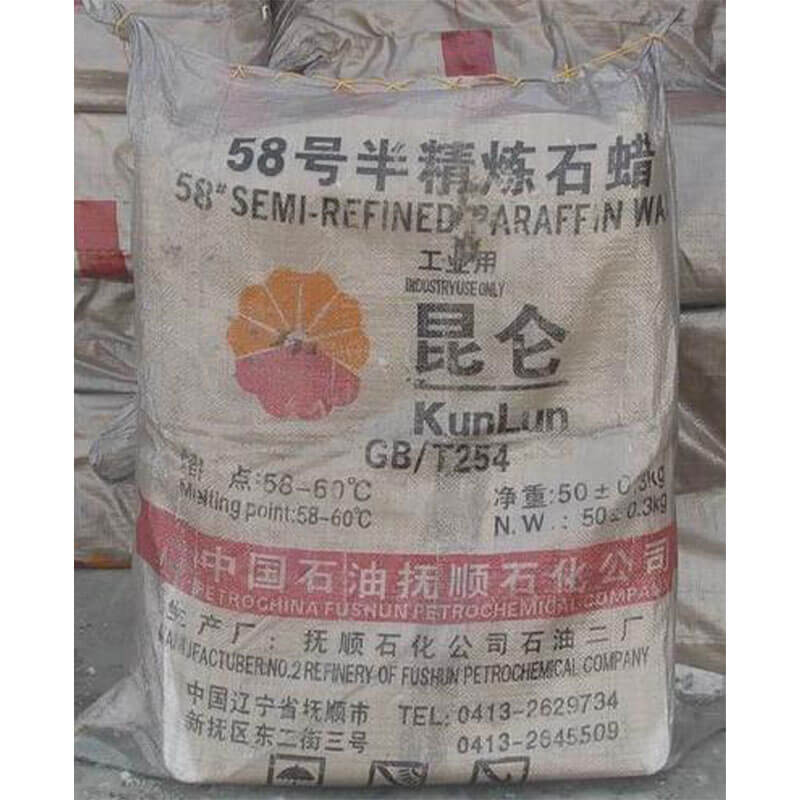
    Packing 54# Crude Paraffin Wax is packed in 50 kg woven bags, 20 bags per pallet, net 1000 kg, shrink-wrapped.
    Container Loading (20′ FCL) 20′ FCL loading: 54# Crude Paraffin Wax packed in woven bags on pallets, securely stowed and container sealed for safe transport.
    Shipping 54# Crude Paraffin Wax ships as a non-hazardous solid, typically packed in 25kg bags, woven PP bags, or palletized drums. For bulk, it is transported molten in heated ISO tank containers. Keep away from ignition sources and moisture; store in a cool, dry area to prevent clumping and contamination.
    Storage Store 54# Crude Paraffin Wax in a cool, dry, well-ventilated area away from direct sunlight, heat, and open flames. Keep containers tightly closed and upright in original packaging. Avoid contact with strong oxidizers. Maintain temperature below 54°C melting point to prevent softening, and ensure spill containment measures are available.
    Shelf Life Shelf life is typically 24 months when stored in a cool, dry, well-ventilated area away from heat and sunlight.
    Application of 54# Crude Paraffin Wax

    At the first downstream conversion point, 54# crude paraffin wax with a solidification range of 54–56 °C and oil content typically bounded by 1.0–2.5 wt% serves as the crystalline paraffin matrix in straight and blended candle systems. The presence of the residual oil fraction distinguishes this material from a fully refined 58–60 °C wax; it lowers the brittle point, softens surface hardness, and modifies the burn rate in vegetable wax-paraffin hybrids. Industrial formulations therefore treat the crude grade as a base wax rather than a surface-finish wax. Batch blending at 70–80 °C in steam-jacketed kettles with propeller or anchor agitation prevents localized overheating of the oil-rich phase, while transfer lines are maintained at 65–75 °C to avoid static cooling and wax crystal deposition. Formulation data from candle production lines show that 54# crude paraffin wax is charged at 70–88 wt% of the wax base when combined with 5–15 wt% hydrogenated stearin, 1–3 wt% low-VOC microcrystalline wax, and 0.5–2 wt% oxidised polyethylene wax, though exact ratios shift with wick size, container diameter, and fragrance load.

    Compliance for candle articles is governed by EN 15493:2019 for fire safety labelling and soot emission benchmarks, and by ASTM F2417-18 for candle fire safety test protocols in North American markets. Bulk wax is evaluated to ASTM D87-18 for cooling curve melting point, ASTM D92-18 for Cleveland open cup flash point, and ASTM D721-17 for oil content; the latter is specified as a release criterion because oil above 2.5 wt% suppresses mottling and increases smoking in unwicked burn tests. Candidate batches intended for California distribution are additionally screened against Proposition 65 listed substances through headspace GC-MS at 200 °C, with a focus on polycyclic aromatic hydrocarbon carryover from the slack wax feedstock. The production sequence begins with heating the 54# crude wax to 75 ± 5 °C in a jacketed melting tank, then adding stearin and microcrystalline wax under low-shear agitation at 150–250 rpm for 30–45 min. Fragrance oils are introduced after cooling to 65 °C because lower-temperature dosing reduces flash-off and maintains the closed-cup flash performance required by transport handling rules.

    The molten compound is dispensed into moulds or containers, and the wick is primed with the same wax base to a diameter of 2.5–3.5 mm. Cooling tunnel air is maintained at 18–22 °C with a residence time of 45–90 min; jars are re-poured once the first cavity shrinkage reaches 8–12% by volume. Terminal product types converted from this grade include container candles, pillar and dipped taper candles, votive candles, and tea lights. In dipped taper lines, the same base formulation is processed at 70–75 °C through repeated dipping cycles to build an outer layer of 300–500 µm thickness. Published production records indicate that wick-tab detachment and fragrance oil exudation are the main defect modes when the oil content of the crude wax is not addressed through stearin addition above 10 wt%, which places a practical upper limit on direct substitution without reformulation.

    Wood panel plants use 54# crude paraffin wax not in neat form but as a wax emulsion, because aqueous dispersion is required for blowline injection into the wet fibre stream before drying. The crude grade is selected over fully refined paraffin when cost pressure in interior-grade MDF and particleboard production outweighs the demand for low-extractive brightness. The emulsion is prepared at 40–60 wt% solids using nonionic ethoxylated sorbitan ester blends or anionic fatty acid soaps, with a melting pre-stage at 65–75 °C and homogenisation at 150–250 bar in a two-stage valve homogeniser. The target particle size distribution is D50 1.0–2.5 µm, since coarse droplets above 5 µm reduce wax retention on fibre surfaces and increase furnish deposit buildup on dryer internals.

    Emulsion ParameterTarget RangeMeasurement Method
    Emulsion solids40–60 wt%ISO 3251:2019
    pH at 25 °C7.5–9.0ASTM E70-97(2022)
    D50 droplet size1.0–2.5 µmISO 13320:2020 laser diffraction
    Apparent viscosity at 25 °C150–500 mPa·sASTM D2196-20 Brookfield RV, spindle 2, 20 rpm

    The dosing rate of 54# crude wax solids in dry-process MDF and particleboard lines is 0.5–2.0 wt% on oven-dried fibre, with the lower bound used for fine surface layers and the upper bound for core layer furnish or high-density board. In blowline applications, the emulsion is injected after the refiner discharge and before the flash tube dryer; mixing improves with a static in-line mixer of 6–8 elements, and pH is kept between 7.5 and 9.0 to stabilise the emulsion against cationic urea-formaldehyde resin shock. The wax phase migrates during hot pressing at 180–210 °C and 30–40 s mm⁻¹ core time, reducing edge swell and improving machinability of the pressed panel. Finished panel types are classified under EN 312:2010 for particleboards, EN 622-5:2010 for dry-process MDF, and ANSI A208.2-2016 for interior MDF grades in North America. Water resistance is tested under ASTM D1037-12 by 24-hour water absorption and thickness swell; typical interior-grade MDF with 1.0 wt% wax addition yields thickness swell values in the 8–15% range after 24-hour immersion, though plant fibre species and press profile exert stronger influence than the wax alone. Terminal products include furniture-grade MDF panels, millwork board, laminate flooring core, and P2 interior particleboard. In OSB, the same crude wax emulsion may be used at 0.8–1.5 wt% with the caveat that its lower melting range increases surface tack in summer-hot press rooms.

    What Coating Weight Keeps a Crude 54# Wax Barrier on Molded Pulp Within Food Contact Limits?

    Hot-melt coating of paper and paperboard with 54# crude paraffin wax is sized principally by coating weight rather than internal furnish addition, because the functional requirement is a continuous surface film that blocks water vapour and liquid water. The molten wax is applied in a curtain coater, roll coater, or immersion bath at 65–80 °C; for corrugated produce boxes, dry coating weight is commonly controlled between 8 and 20 g/m². Below 8 g/m², fibre strike-through produces pin-holing at flute tips; above 20 g/m², the board becomes difficult to perforate and flex in automated case erection. Since the crude grade retains a measurable oil fraction, the wax film remains pliable after cooling to 4 °C, which reduces cracking on waxed poultry boxes, but the same oil fraction limits direct contact with fatty foods unless the formulated film is tested under the intended conditions of use.

    United States food-contact applicability is established through 21 CFR 178.3710 for petroleum wax, with supporting compliance for the paper component under 21 CFR 176.170 when the coated sheet is used with aqueous or dry food. Because 21 CFR 178.3710 includes ultraviolet absorbance specifications, the residual oil fraction in crude 54# wax must be screened; if absorbance at 290 nm exceeds the standard’s limits, the lot is diverted to non-food industrial coatings. The wax film is tested after application by TAPPI T441 om-20 Cobb water absorption, TAPPI T559 pm-12 grease resistance, and in some packaging lines by MVTR under ASTM E96/E96M-22 at 38 °C and 90% RH. For internal sizing emulsions, the 54# crude wax solids addition is 0.2–0.8 wt% of dry fibre; for surface coating, the dry wax coating weight is 8–20 g/m². The downstream coating process for corrugated board uses preheated substrate at 40–50 °C, wax bath immersion for 2–5 s, and an air knife to remove excess surface wax before cooling. Terminal package types include fluted produce trays, waxed corrugated cases, paperboard frozen-food wraps, and double-facing box liners. In moulded pulp, the wax curtain may be applied at 12–18 g/m² after thermoforming, where the coating must bridge pores without filling drainage holes.

    When a Match Splint Reaches 900°C, the Waxed Cellulose Burn Rate Determines Head Ignition

    Safety match plants impregnate dried wood splints with molten paraffin wax to provide a controlled secondary flame after the chlorine-free initiating composition ignites. In this application, 54# crude paraffin wax is held in a heated dip pan at 60 ± 5 °C, and the continuous splint feed is submerged for 0.5–2.0 s after kiln drying at 8–10% moisture content. Uptake is controlled by bath viscosity and drainage; production lines target 0.8–1.5 kg of wax per 100 kg of dry splints, equivalent to 0.8–1.5 wt%, because below this range the afterburn is too short to ignite the match head reliably, and above this range the splint tends to droop and carbonise rather than sustain rigid combustion. The paraffined splints then pass through a cooling table, head dipping, and drying drums, where the high oil content of the crude grade may increase the drying time relative to fully refined wax by 10–15% due to surface tack.

    Safety match compliance for the European market is assessed against EN 1783:1997 for ignition, burn rate, and splint integrity, while the wax dip itself is verified by melting point ASTM D87-18 and flash point ASTM D92-18 before charging the dip tank. Terminal product types are wooden safety matches, book matches with waxed splints, and wax-impregnated firelighting splints. In industrial production, the main process control variable is bath viscosity, maintained at 4–8 mPa·s by trim heating; when viscosity drifts above 10 mPa·s, drip volume on the dowel exceeds the setpoint and wax accumulates on drying mesh belts. The immersion bath is filtered through 100-mesh stainless steel screens to remove char particles picked up from splint feed, and the wax is recycled through a heated settling tank to reduce contamination-induced burn defects.

    External Lubrication Thresholds in Twin-Screw Rigid PVC Profile and Pipe Extrusion

    In rigid poly(vinyl chloride) dry-blend extrusion, 54# crude paraffin wax functions as an external lubricant that reduces melt adhesion to barrel and die metal surfaces and extends dynamic thermal stability by delaying fusion. The compound is added to the hot mixer together with stabiliser, impact modifier, and filler, and the high-speed turbo mixer is discharged at 115–125 °C before the wax melts completely. The recommended addition level in K65–K67 pipe and profile compounds is 0.05–0.30 phr, with most commercial formulations settling between 0.08 and 0.20 phr when used alongside 0.3–0.6 phr oxidised polyethylene wax and 0.1–0.3 phr calcium stearate. At levels above 0.35 phr, plate-out on the calibrator, die lip buildup, and poor impact strength are commonly observed on parallel twin-screw extruders with L/D 22:1 and screw oil temperatures of 80–100 °C.

    Compound classification is governed by ASTM D1784-20 cell class, pipe products by ISO 1452-2:2009 or EN 1329-1:2020 for PVC-U drainage, window profiles by EN 12608-1:2016, and the processing demonstration by torque rheometry under ASTM D2396-20. Because the crude 54# grade retains oil, its use as a partial replacement for fully refined paraffin wax is typically restricted to opaque pipe and dark profile compounds; unpigmented or high-gloss white profiles require lower oil content to avoid migration haze and reduction of Gloss 60° below 70 GU after weathering. The downstream process is counter-rotating twin-screw extrusion at barrel temperatures from 160 °C in zone 2 to 195 °C at the die, with screw torque and melt pressure used as indirect indicators of lubricant balance. Terminal product types are PVC-U drainage pipe, electrical conduit, white window profiles, and cellular foam board. Batch-to-batch variance in the crude wax oil fraction can shift fusion time by 10–20 s in torque rheometer testing, so compounders using this grade commonly pre-melt and filter the wax through 200-mesh screens before compounding to reduce gel and char carryover.

    Rubber compounders use medium-melting paraffin wax as a physical antiozonant that blooms to the vulcanizate surface and forms a continuous protective film against ozone attack, especially in tire sidewall, weather strip, and conveyor cover compounds. 54# crude paraffin wax is incorporated in the masterbatch stage of a Banbury internal mixer at 1.0–2.5 phr; the wax is added with zinc oxide and stearic acid after rubber breakdown at 60–80 °C, before carbon black dispersion reaches maximum shear. The bloom rate depends on carbon black loading, sulfur cure, and polymer blend; for a 40–60 phr N330 carbon black NR/BR sidewall mix, a 1.5 phr addition of lower-melting paraffin wax typically produces a visible surface bloom within 24–48 h at ambient storage, while higher levels above 2.5 phr depress fatigue life and may interfere with mould release.

    Ozone resistance is tested under ASTM D1149-18 or ISO 1431-1:2022 using 50 pphm ozone, 20% strain, and 40 °C for 72 h, with crack rating performed per ASTM D1171-18. The crude wax grade is also checked for oil content by ASTM D721-17 and for carbonisable substances where the material enters REACH-registered compounds. The downstream production process is conventional two-roll mill or internal mixer compounding, followed by calendering or extrusion, and vulcanisation at 150–170 °C. Terminal product types include pneumatic tire sidewalls, solid rubber weather seals, V-belts, and textile-reinforced conveyor covers. Published data for 54# crude paraffin wax specifically in high-performance sidewall systems is limited compared with formulated antiozonant blends; many plants therefore use it as a partial replacement for paraffin wax in non-appearance rubber goods where surface tack from residual oil can be tolerated.

    Hot Melt Viscosity Depression Without Dismantling EVA Cohesive Strength

    In hot melt adhesive compounding for packaging and hygiene converting, 54# crude paraffin wax serves as a diluent wax that lowers application viscosity, shortens open time, and reduces stringing on high-speed slot-die coaters. It is compounded at 10–30 wt% with EVA copolymers of 28 wt% vinyl acetate and 400–800 g/10 min melt index, tackifier resin, and antioxidant in a jacketed high-torque mixer at 160–180 °C. At 20 wt% loading, the Brookfield viscosity at 180 °C typically drops to 500–1500 mPa·s depending on resin and tackifier, allowing spiral spray or slot-die coating at 120–160 °C application temperature. Because the crude grade retains oil, high-loading formulations above 25 wt% tend to soften pressure-sensitive adhesion, increase bleed into corrugated stock, and reduce heat-fail temperature under load.

    Indirect food packaging adhesives must comply with 21 CFR 175.105, and the wax component in packaging applications is referenced under 21 CFR 178.3710; bond strength is verified by ASTM D4498 heat-fail temperature and ASTM D6195 lap shear. The terminal product types are case and carton sealing, tray erection, bookbinding spine glue, and nonwoven disposable hygiene assembly. On production lines, the adhesive is delivered through heated hoses to slot-die modules, and viscosity drift is compensated by adjusting the crude wax fraction upward in 1–2 wt% increments; however, if the residual oil fraction of the 54# material is not stable batch-to-batch, the melt viscosity variation at 150 °C can exceed ±10%, which is the primary reason converters request a specification sheet with ASTM D721-17 oil content limits per lot. Formulators also pre-blend the crude wax with a fully refined 0.5–1.0 wt% antioxidant package to suppress colour shift during prolonged holding at 160 °C, because the oil phase accelerates thermal degradation of hydrocarbon tackifiers in recipes with high EVA content.

    Free Quote

    Competitive 54# Crude Paraffin Wax prices that fit your budget—flexible terms and customized quotes for every order.

    For samples, pricing, or more information, please contact us at +8618136850665 or mail to sales4@ascent-chem.com.

    We will respond to you as soon as possible.

    Tel: +8618136850665

    Email: sales4@ascent-chem.com

    Inquiry

    Get Free Quote of PetroChina Fushun Petrochemical Company

    Flexible payment, competitive price, premium service - Inquire now!

    Certification & Compliance
    More Introduction

    54# crude paraffin wax is a petroleum-derived paraffin wax grade obtained from the deoiling of slack wax generated during solvent dewaxing of vacuum-distillate lubricating oil fractions. The model designation 54# corresponds to a nominal cooling-curve melting point of 54°C when measured in accordance with ASTM D87 or GB/T 2539-2006. Commercial material is supplied in slab, granular, or pastille form and exhibits a light yellow to amber colour. The product is not deoiled to fully refined levels; therefore, it retains a higher residual oil content, lower crystalline hardness, and greater needle penetration than semi-refined and fully refined grades. The measured differences arise from a higher concentration of branched-chain iso-paraffins, cycloparaffins, and light aromatic components that are removed more extensively in hydrotreating and deeper deoiling operations. In downstream compounding and coating operations, the grade is selected when moderate plasticity, broad compatibility with hydrocarbon pitches and waxes, and lower feedstock cost are more important than ultimate hardness, low oil migration, and food-contact cleanliness.

    Typical batch certificates for 54# crude paraffin wax from Chinese suppliers certified to GB/T 1202-2016 list melting point, oil content, colour, water content, and mechanical impurities as the primary release parameters. The exact acceptance windows vary with refinery configuration and crude source; the seller-specific certificate should be treated as the governing specification. The material is not intended for direct food-contact use unless a specific migration assessment is performed under the relevant food-contact legislation.

    What Distinguishes 54# Crude Paraffin Wax from Slack Wax and Fully Refined 58# Wax?

    Slack wax recovered directly from lubricating-oil solvent dewaxing typically contains 15% to 35% oil by mass, while fully refined 58# paraffin wax is deoiled and hydrotreated to an oil content below 0.5% and a Saybolt colour above +28. The 54# crude grade lies between these two positions: it has passed through the first deoiling stage but retains residual oil in a range that is commonly quoted between 1.0% and 3.5% by mass. The difference is mechanically significant. Oil retention plasticises the wax crystal network, increases penetration, and lowers tensile strength. In candle formulations, that translates to a softer slab, easier cutting, and higher bending compliance but also to greater potential for surface oil bleed in storage above 35°C. Fully refined 58# wax gives a harder crystalline structure, higher gloss, and lower oil migration under the same conditions.

    Property 54# crude paraffin wax Slack wax Fully refined 58# paraffin wax
    Oil content 1.0–3.5% by mass 15–35% by mass ≤0.5% by mass
    Cooling-curve melting point 54–56°C variable, often 45–55°C 58–60°C
    Saybolt colour +10 to +20 dark, often below +10 +28 minimum
    Needle penetration at 25°C 25–45 dmm soft, often >50 dmm 14–20 dmm
    Typical use candles, board sizing, hot-melt extenders further deoiling feedstock food-contact coatings, candles, packaging

    The values in the table are representative industrial ranges, not universal batch specifications. For a specific production lot, the certificate of analysis must be used, because deoiling severity and crude source shift oil content and penetration even within the same 54# grade designation.

    Deoiling severity determines whether a given 54# lot behaves closer to a soft fully refined material or closer to a high-oil slack wax. At the lower end of the oil-content range, the material shows a sharper melt point and harder fracture; at the upper end, needle penetration increases and the wax develops visible surface film after prolonged storage at ambient temperatures above 30°C. For this reason, release testing should be read alongside the actual oil-content value rather than treating the grade number as a complete specification. Oil content is commonly measured by solvent extraction in accordance with ASTM D721, while needle penetration is determined by ASTM D1321 at 25°C with a 100 g load applied for 5 s. Colour is frequently reported as Saybolt colour according to GB/T 3555 or ASTM D156, and water content according to GB/T 260. Mechanical impurities are typically limited to below 0.05% by mass when tested by GB/T 511.

    Parameter Test method Representative acceptance window
    Cooling-curve melting point ASTM D87 / GB/T 2539-2006 ≥54°C
    Oil content ASTM D721 ≤2.0% by mass for standard certified lots; some high-oil lots up to 3.0%
    Saybolt colour GB/T 3555 / ASTM D156 +12 to +20
    Water content GB/T 260 ≤0.15% by mass
    Mechanical impurities GB/T 511 ≤0.05% by mass

    Melt Viscosity, Cooling-Curve Hysteresis, and Processing Limits

    The molten viscosity of 54# crude paraffin wax at 100°C is ordinarily below 10 mPa·s when measured by ASTM D445, although published data for this specific 54# configuration is limited. The low molecular weight of the paraffin fraction permits molten transfer through jacketed piping at temperatures between 70°C and 95°C. At temperatures above 120°C, thermal oxidation accelerates: the wax darkens, acidity increases, and odour threshold changes. Bulk storage tanks, circulation loops, and dip kettles should therefore be designed for nitrogen blanketing or tight temperature control when residence time exceeds 6 h. The cooling curve of 54# material is not sharp; because the oil fraction suppresses complete crystallisation, the melt point measured by ASTM D87 may differ from the congealing point measured by ASTM D938 by 1–3°C. This hysteresis must be considered when setting downstream water-bath temperatures and tunnel cooling rates in continuous candle lines.

    Water is an operational boundary. If the wax is stored outdoors in wet slab form or condensation is drawn into a heated tank, water content above 0.1% by mass can produce foaming and pressure surging in jacketed transfer lines. Pre-drying at 60–70°C for 4–6 h or use of a vented agitated tank is required when ambient storage has exceeded 60% relative humidity. The material is incompatible with strong oxidising agents, and extended contact with copper or copper alloys at elevated temperatures may accelerate discolouration through catalytic oxidation. The product should not be combined with amine-based additives in applications where colour stability is critical, because base-catalysed oxidation pathways and bloom interference can arise even at low additive loadings.

    Slab storage of 54# crude wax should avoid stacking heights above 1.5 m when ambient temperature can exceed 35°C. Tall stacks under sustained load can promote oil exudation, which collects between slabs and creates a slip hazard and product loss. Material with an oil content near 3.0% can exhibit visible surface oil bleed after 14 days at 32°C; lots below 1.5% oil may remain dry under the same conditions. This variance reinforces the need to segregate batches by oil-content certificate values rather than by grade number alone.

    When 54# Crude Wax Is Blended into Candle and Board Impregnation Lines

    In candle manufacturing, 54# crude paraffin wax is typically blended with fully refined paraffin wax or stearic acid at levels between 10% and 40% by mass to reduce compound cost and adjust opacity. The addition modifies cooling-shrinkage behaviour: high oil content reduces shrinkage, which can reduce centre voids in cylindrical moulded candles but also lowers surface gloss. In pressed and extruded candle lines, the softer wax improves extrusion at lower die temperatures, but die temperature must be kept below 35°C to avoid oil film on the die lips. Oil accumulation on mould surfaces after approximately 4–6 h of operation can cause release defects unless an automated mould-release spray is used or the oil content is kept below 2% by mass.

    In wood particleboard and medium-density fibreboard production, emulsified 54# crude wax is metered into the resin/wood furnish at 0.5% to 2.0% by mass on dry fibre. The performance target is water absorption resistance as measured by EN 317 or ASTM D1037. Because the wax contains more oil than fully refined paraffin, emulsion particle size and stability can shift; a homogeniser operating at 15–25 MPa may be required to produce a stable emulsion with mean droplet size below 2 µm when oil content is at the upper end of the range. If the emulsion coalesces in the furnish, water repellency becomes non-uniform and thickness swell increases. The lower melt point of 54# wax also means the hot press must maintain a platen temperature above the melting point of the wax but below the point of oil volatilisation. Typical press temperatures of 160–200°C are sufficient for the paraffin fraction, but low-boiling oil components may volatilise and condense on press exhaust ductwork; periodic duct cleaning should be scheduled.

    At the production stage, the 54# cut is obtained by controlling the deoiling filter temperature and solvent ratio rather than by simple blending. In MEK-toluene deoiling plants, a slack wax charge is mixed with solvent at ratios between 2:1 and 4:1 by volume and chilled at controlled rates. Separation at approximately -10°C to -20°C removes most of the entrained oil, leaving a crude paraffin cake. The 54# grade emerges from the intermediate melting-point fraction corresponding to n-paraffin chains predominantly in the C22–C28 range, though the presence of iso-paraffins broadens the melting range. Deeper chilling or solvent dilution shifts the fraction toward a higher melting-point grade; lower washing severity leaves more oil. This production route explains why the same 54# grade can differ between refineries by several penetration units. Buyers should request batch-specific cooling-curve and oil-content data in addition to the grade number.

    Thermal Degradation and Storage Stability in Molten Holding Tanks

    Molten holding tanks for 54# crude paraffin wax should be designed to limit skin temperature and surface exposure. At tank wall temperatures above 130°C, localised cracking of the oil fraction can deposit carbonaceous material on heating coils, reducing heat transfer and increasing the load on hot-oil units. The normal set point for a jacketed storage tank should be 80–90°C, with a high-temperature alarm at 110°C. If nitrogen blanketing is not available, the tank headspace should be vented and the wax should not be held above 90°C for more than 24 h. Oxidation of the residual oil fraction is the dominant degradation pathway; the result is an increase in peroxide value, darkening of the melt, and an odour that carries into finished candles or coated boards.

    In pastillating or drum flaking systems, the belt or drum surface must be cooled to 10–20°C to solidify the 54# material without forming a heavily crystallised surface layer. Higher cooling rates produce small crystals and higher apparent hardness; slower cooling produces larger crystals and a waxy surface with more oil on the surface. These differences affect downstream melting behaviour: smaller pastilles melt faster in hot-melt melters, while large slabs require longer residence time in batch melters. A jacketed platen melter operating at 80–90°C may require 30–45 min to melt a 25 kg slab of 54# wax, depending on slab thickness and oil content. The melt phase should be filtered through a 200 µm or finer screen before dosing to remove mechanical impurities and carbonised material.

    Hot-melt adhesive formulators use 54# crude paraffin wax as a low-cost viscosity reducer and open-time modifier in ethylene-vinyl acetate and metallocene polyolefin systems. Addition levels of 5% to 20% by mass lower melt viscosity at 180°C, but high residual oil content can plasticise the polymer phase and reduce peel adhesion on high-density polyethylene substrates. A more significant limitation is high-temperature bleeding: in adhesive sticks or slugs stored at 45°C for 7 days, oil migration creates surface tack and darkening. For this reason, 54# crude wax is generally limited to industrial assembly, carton sealing, or filler-rich formulations where cosmetic stability and low-temperature adhesive flexibility are not primary requirements. Published data for this specific configuration is limited, and substitution trials should include accelerated ageing at 40°C and 75% relative humidity for 14 days before line qualification.

    In rubber processing, 54# crude paraffin wax can be used as a processing aid and static antiozonant carrier, but the oil content interferes with the bloom rate of protective paraffin films. The wax should not be combined with amine-based accelerators or amine antioxidants that can catalyse discolouration or interfere with antiozonant bloom. Preliminary testing should include compound Mooney viscosity or flow behaviour data to confirm that the oil fraction does not reduce green strength. Typical addition levels for a tyre sidewall or conveyor-belt compound are 0.5–2.0 phr, with the lower limit applied when antiozonant wax bloom is critical and the upper limit restricted to compounds with high filler loading and lower green strength requirements. The grade is not a direct substitute for fully refined antiozonant paraffin waxes in high-appearance outer sidewall compounds because the oil fraction delays the formation of a continuous protective surface film.