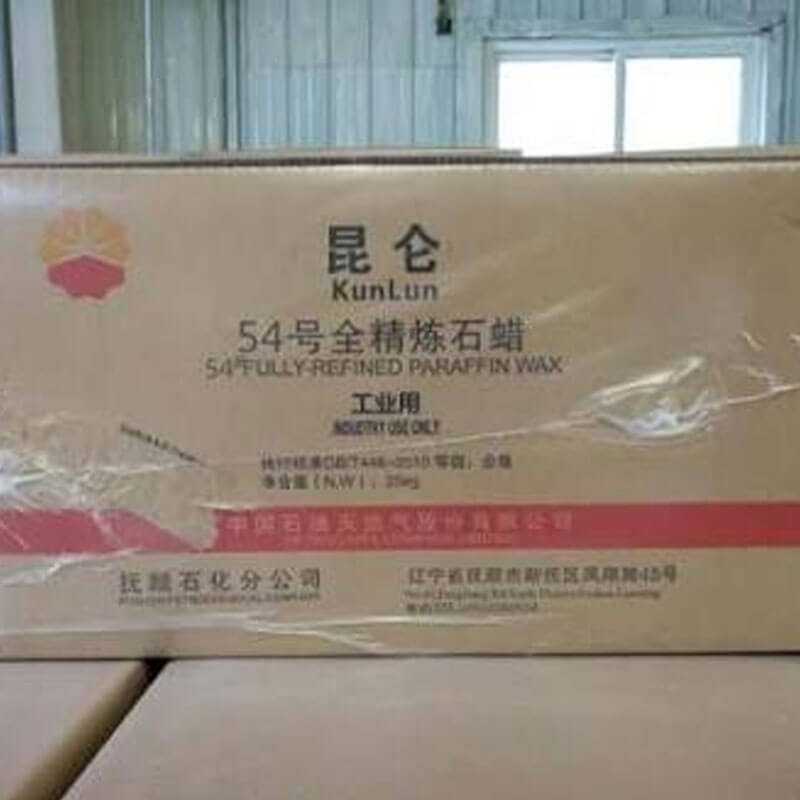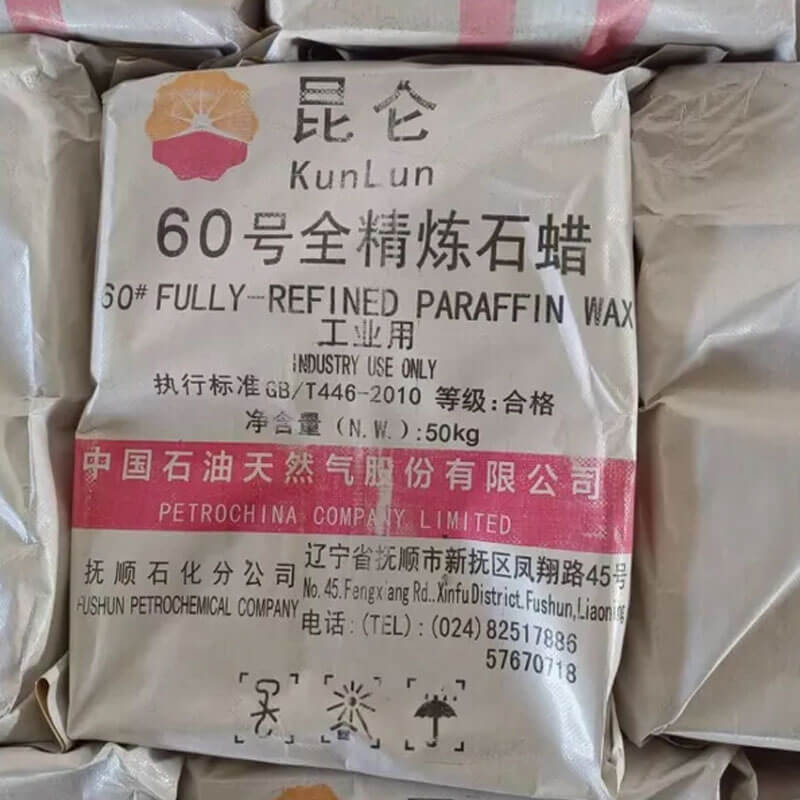
54# Fully‑Refined Paraffin Wax

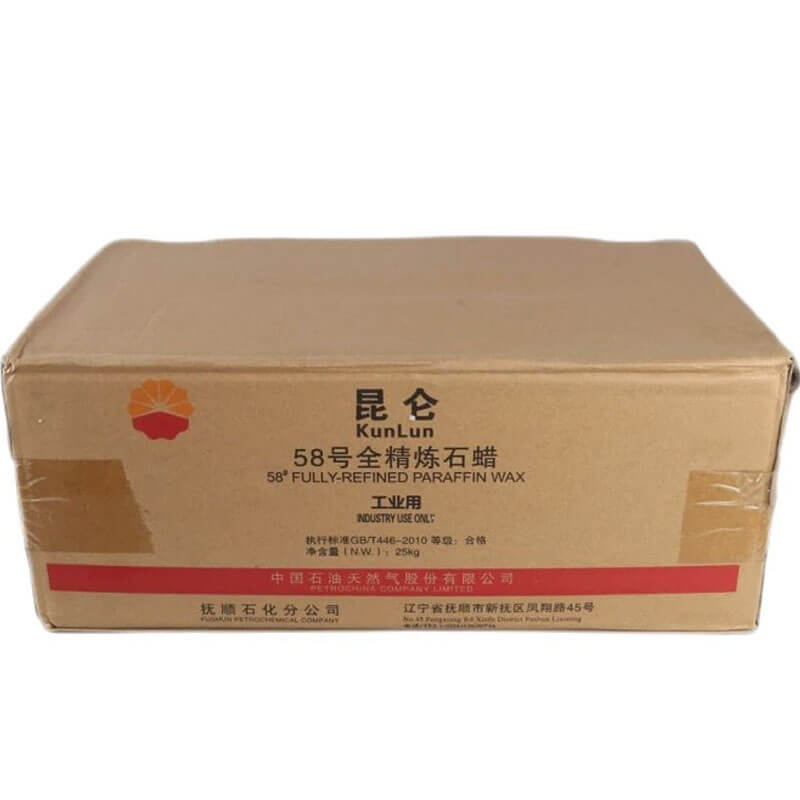
    • Product Name: 54# Fully‑Refined Paraffin Wax
    • Factroy Site: No. 45 Fengxiang Road, Xinfu District, Fushun City, Liaoning Province
    • Price Inquiry: sales4@ascent-chem.com
    • Manufacturer: PetroChina Fushun Petrochemical Company
    • CONTACT NOW
    Specifications
    HS Code 220083
    Name 54# Fully-Refined Paraffin Wax
    Meltingpoint 54-56 °C
    Oilcontent ≤ 0.5%
    Penetrationat25c ≤ 20 1/10 mm
    Sayboltcolor ≥ +30
    Kinematicviscosityat100c 3.0-4.5 mm²/s
    Flashpoint ≥ 200 °C
    Odor Odorless
    Watersolubleacidsoralkalis Absent
    Mechanicalimpuritiesandmoisture Absent
    Lightstability Passes standard test
    Appearance White solid wax

    As an accredited 54# Fully‑Refined Paraffin Wax factory, we enforce strict quality protocols—every batch undergoes rigorous testing to ensure consistent efficacy and safety standards.

    Packing & Storage
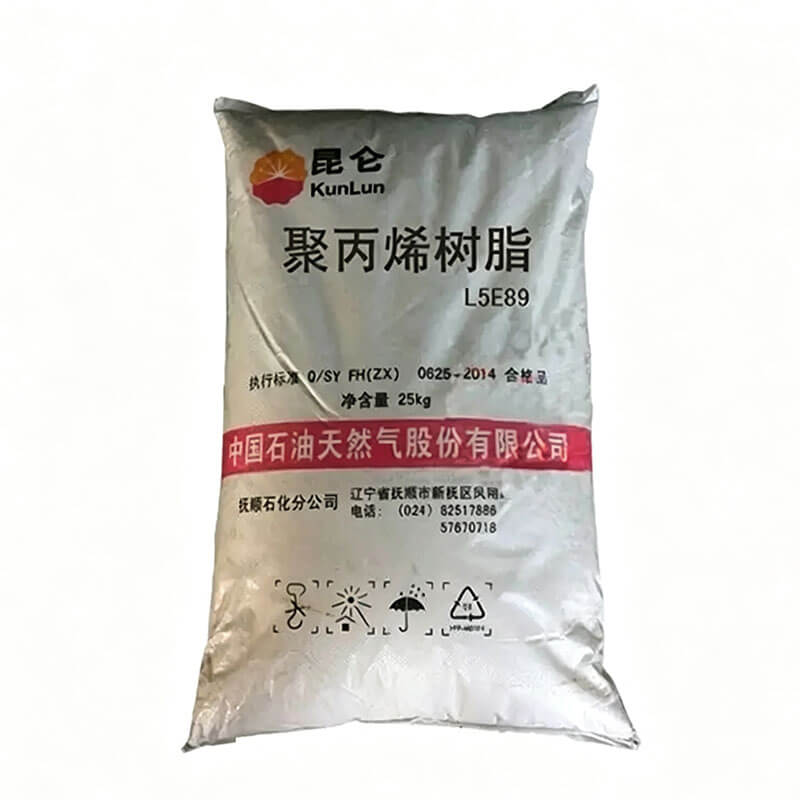
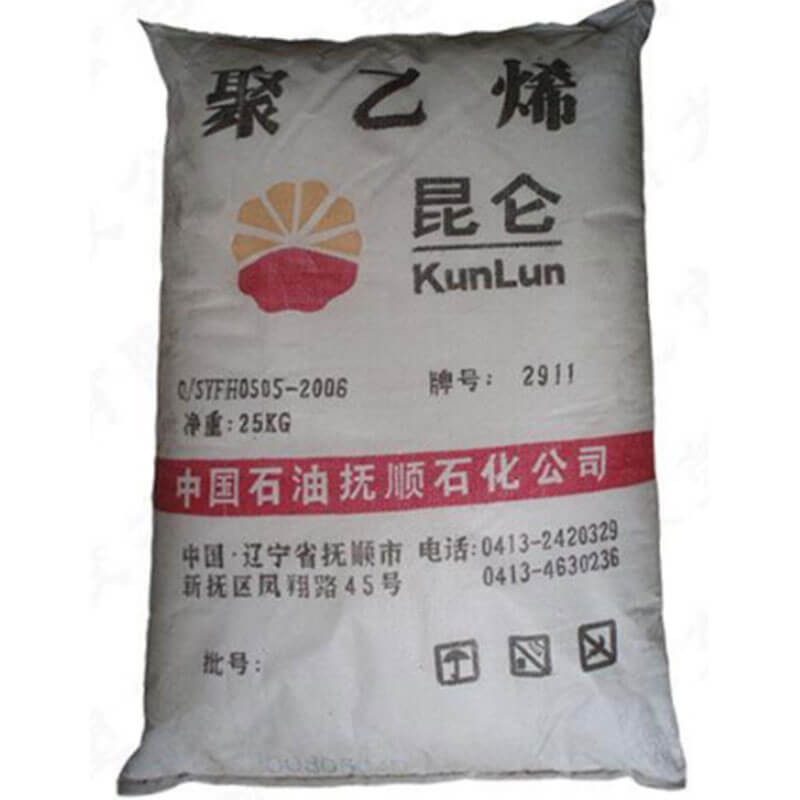
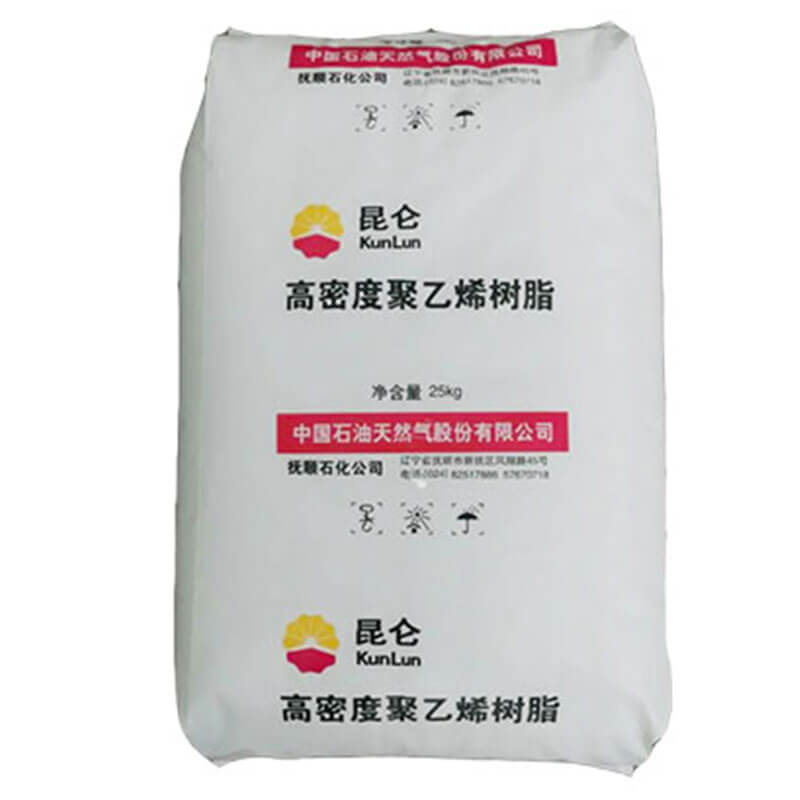
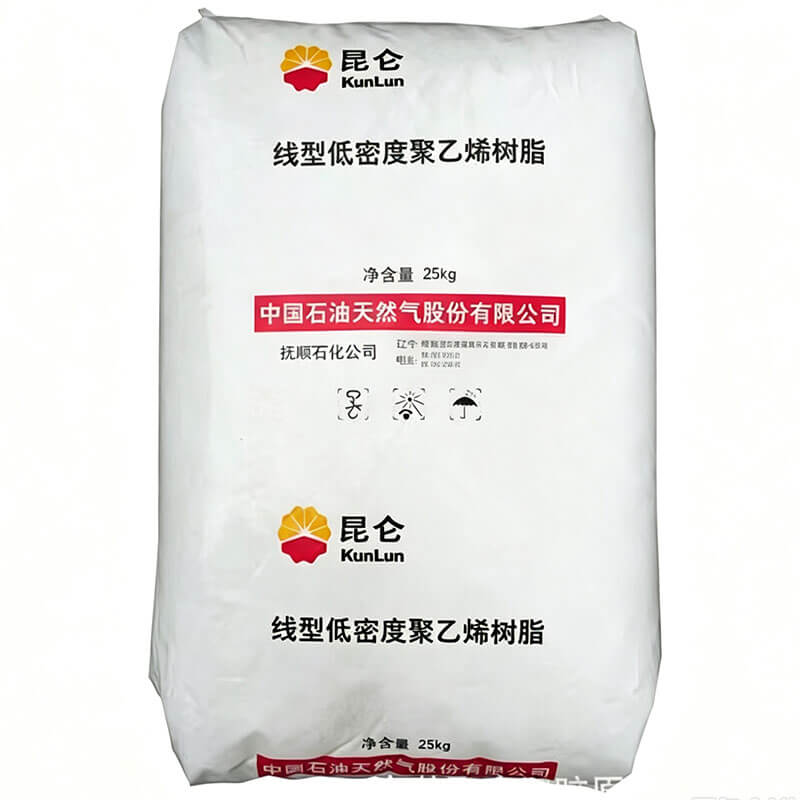
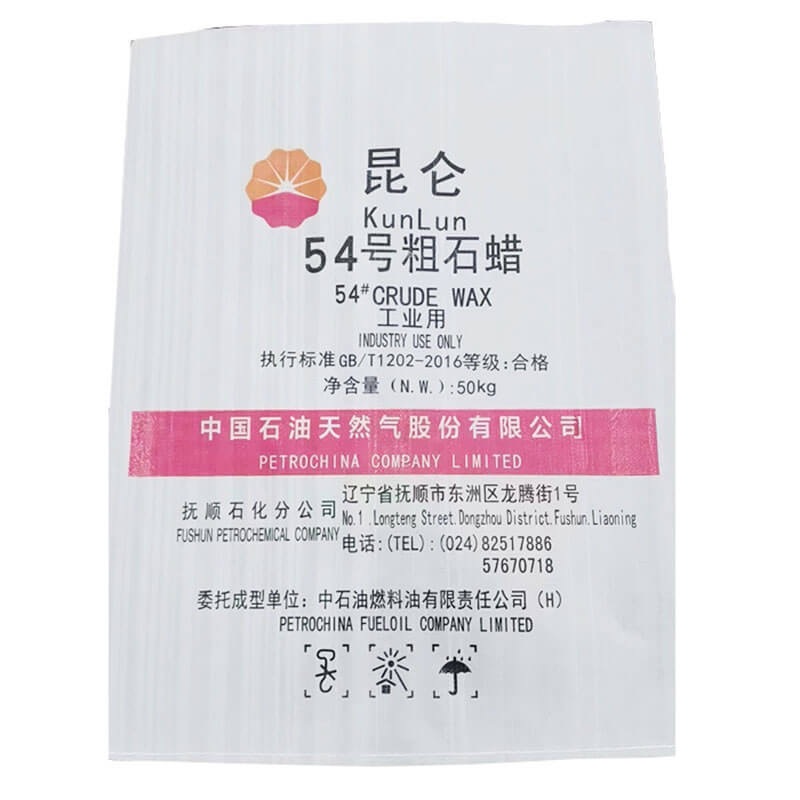
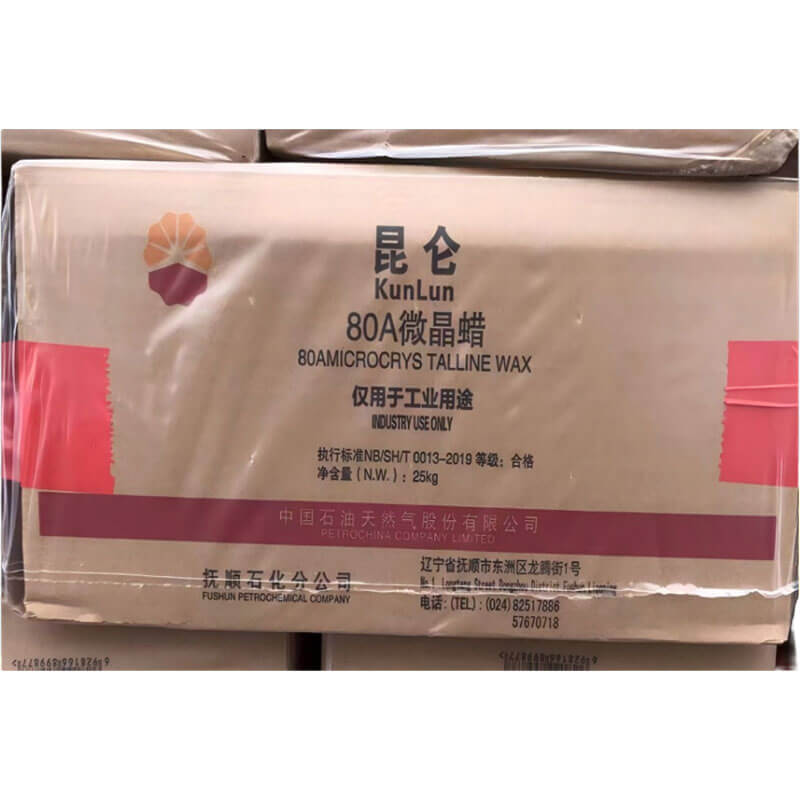
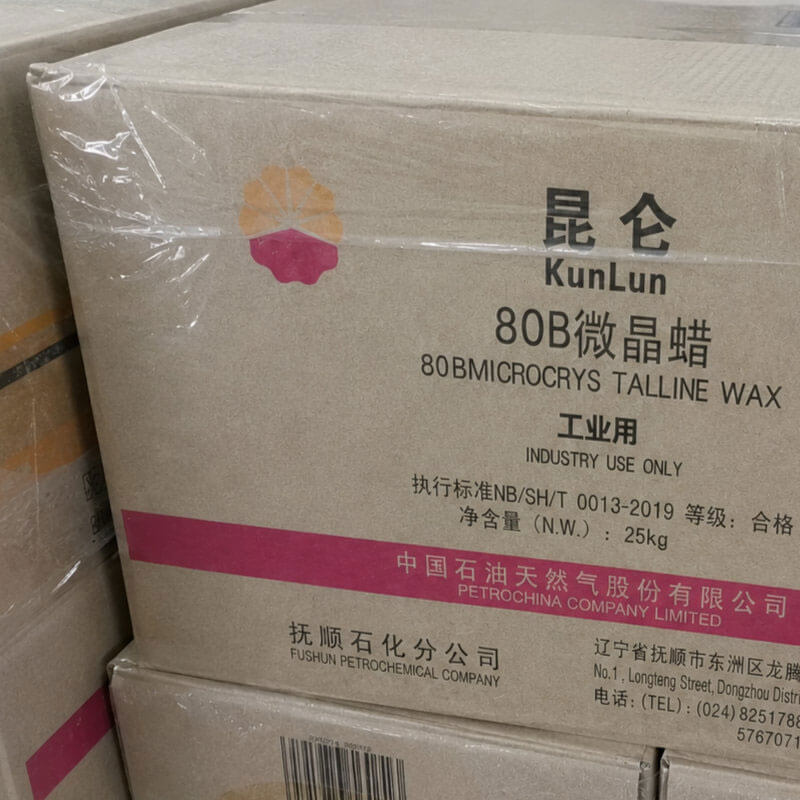
    Packing 25 kg kraft paper bags lined with plastic, palletized and shrink-wrapped for safe transport.
    Container Loading (20′ FCL) 20′ FCL loading: 54# fully-refined paraffin wax packed in cartons on pallets, stowed securely, protected from heat and moisture.
    Shipping 54# Fully-Refined Paraffin Wax ships as a non-hazardous, non-regulated solid. Pack in sturdy bags, cartons, or drums. Protect from heat and direct sunlight to prevent softening or deformation. No special transport declaration required. Keep dry and away from oxidizers. Suitable for standard LTL/container shipping.
    Storage Store 54# Fully-Refined Paraffin Wax in a cool, dry, well-ventilated area away from direct sunlight, heat sources, and open flames. Keep containers tightly closed when not in use to prevent contamination. Avoid contact with strong oxidizers. Maintain storage temperatures below its flash point and ensure proper firefighting equipment is accessible.
    Shelf Life Stable under normal storage; shelf life is indefinite when kept in a cool, dry place away from direct heat and sunlight.
    Application of 54# Fully‑Refined Paraffin Wax

    Why 54# Fully-Refined Paraffin Wax Demands a Pre-Defined Cooling Ramp in Container Candles

    Formulating with 54# fully-refined paraffin wax requires a congealing point of 54 °C measured according to ASTM D87 and an oil content below 0.5 wt% per ASTM D721, which minimizes migration staining on pigmented container walls but reduces flexibility relative to softer paraffin fractions. Unscented container-candle formulations typically use 70-85 wt% 54# paraffin, 2-5 wt% microcrystalline wax as a crystalline network modifier, 0.5-1.5 wt% polymer modifier such as a poly-alpha-olefin, and 0-10 wt% fragrance oil; scented versions hold up to 10 wt% fragrance only when the fragrance flash point exceeds the addition temperature to limit volatile loss. Production-scale water-jacketed melt tanks heat the wax to 75-80 °C, fragrance is dosed below 65 °C, and the molten charge is dispensed into pre-wicked glass containers at 60-65 °C. The cooling sequence is processed under forced air at ambient 20-25 °C with a top-down thermal gradient, because rapid surface skinning over a still-molten core creates shrinkage cavities and irregular pull-away from the container wall. Combustion safety for the finished candle is assessed under ASTM F2417-17 and, for EU distribution, EN 15493:2019; neither standard prescribes wax composition but places limits on flame height, secondary ignition, and container surface temperature. The terminal product range includes container candles, votive candles, and low-profile pillar candles; for free-standing pillars above 50 mm diameter, the 54# grade is normally blended with a higher-melt microcrystalline wax because the solidified paraffin slab has limited flexural strength and may slump under elevated storage temperatures.

    When 54# Wax Replaces a 48 °C Fraction in EVA Hot Melt Adhesives

    Substitution of a 48 °C paraffin wax with 54# in ethylene-vinyl acetate hot melt formulations raises the crystallization temperature and shortens open time on corrugated board, which is advantageous for high-speed case sealing but can reduce fiber-tear adhesion when wax content is excessive. The wax content in packaging adhesives is typically 20-30 wt%, with EVA containing 28% vinyl acetate at 28-35 wt%, rosin ester tackifier at 35-45 wt%, and hindered phenolic antioxidant at 0.5-1.0 wt%. Processing is carried out in jacketed sigma-blade mixers at 140-160 °C under nitrogen, and the molten adhesive is applied through slot dies at 175-180 °C. Viscosity measured under ASTM D3236 at 180 °C normally falls between 800 mPa·s and 1,500 mPa·s, depending on tackifier type and wax chain-length distribution; heat stability is monitored over 96 h by ASTM D4498. The main process conflict is the wax crystallite network: the 54# grade has a narrow n-paraffin distribution that raises modulus and cohesive strength, but phase separation under static storage at 150 °C has been observed as a translucent wax layer in sight glasses when wax content exceeds 25 wt% in low-stirring zones. The melt should not be held above 190 °C for more than 8 h because EVA acetate elimination increases char formation and viscosity drift. The applicable indirect food-contact regulation for packaging adhesives is 21 CFR 175.105. The terminal product range includes corrugated case sealing, carton closing, tray erection, bookbinding, and paperboard lamination.

    In direct food-contact paper coating, the compliance path for a 54# fully-refined paraffin wax begins with 21 CFR 178.3710, which covers petroleum wax as a component of food-contact coatings, and 21 CFR 176.170 for paper and paperboard intended for aqueous and fatty food contact. Under EU obligations, the material falls under Regulation (EC) No 1935/2004 and Commission Regulation 2023/2006/EC on good manufacturing practice; where national recommendations are required, BfR XXXVI on paper and board provides orientation. Typical curtain coating or roll application uses 90-100 wt% 54# wax, with 0-10 wt% ethylene-vinyl acetate or polyolefin modifiers when heat-seal strength is specified; coating weights for cheese wraps and bakery tissue range from 8 g/m² to 12 g/m² per side. The wax is held at 70-85 °C in jacketed coating pans; the paper web passes through a curtain coater or gravure applicator and is immediately chilled on a polished roll at 10-15 °C to freeze the surface film before winding. The objective is to form a continuous hydrophobic film without collapsing the paper porosity required for downstream folding. The terminal product range includes cheese wrappers, bakery tissue, sandwich papers, and paperboard cups for cold beverages. For direct moist fatty foods, migration testing under fatty-food simulant conditions must be completed because the low oil content of fully refined wax, although below 0.5 wt% by ASTM D721, does not by itself provide a migration limit.

    Jurisdiction or bodyReferenceApplication condition
    US FDA21 CFR 178.3710Petroleum wax as a component of food-contact coatings
    US FDA21 CFR 176.170Paper and paperboard for aqueous and fatty food contact
    EU framework(EC) No 1935/2004Materials shall not transfer constituents to food in harmful amounts
    EU GMP2023/2006/ECQuality assurance and process control for food-contact materials
    German recommendationBfR XXXVIPaper and board for food contact; guidance on wax coatings

    Rigid PVC Extrusion Lubrication Windows and Fusion Delay

    Addition of 54# fully-refined paraffin wax as an external lubricant is confined to a narrow window: 0.8-1.2 phr for pipe and conduit, and 0.5-0.8 phr for window profiles, based on resin content. The wax migrates to the melt–metal interface in a counter-rotating twin-screw extruder with an L/D of 24:1 to 36:1. Barrel zones are operated from 170 °C to 190 °C; the objective is to delay fusion and reduce shear heating as measured by torque rheometer per ASTM D2538-18. The applicable material specification for rigid PVC compounds is ASTM D1784-20. At loads above 1.5 phr, the torque peak shifts excessively and the compound shows delayed gelation, plate-out on the calibration die, and weld-line brittleness. At loads below 0.3 phr, melt temperature rises beyond 195 °C in high-output profiles and polyene formation may begin, producing visible yellowing. Where optical clarity is specified, addition should not exceed 0.5 phr due to haze generation at the surface. The terminal product range includes rigid PVC pressure pipe, foam-core pipe, cable conduit, and window lineal profiles.

    Controlling Static Ozone Protection by Wax Film Thickness Distribution

    In antiozonant wax applications, 54# fully-refined paraffin wax is added at 1.0-2.0 phr to natural rubber/butadiene rubber sidewall compounds after the carbon black masterbatch stage, but before the addition of sulfur-curative ingredients. The wax disperses into the rubber matrix and migrates to the surface after vulcanization, forming a continuous barrier film whose thickness distribution is a function of n-alkane chain length and compound solubility. Ozone resistance is evaluated according to ASTM D1149-18 or ISO 1431-1:2017 under 50 pphm ozone and 40 °C with 20% strain. The compound is mixed in a tangential internal mixer with a ram pressure of 0.5 MPa and discharged at 150-160 °C; two-roll mill blending at 60-70 °C avoids premature surface bloom. The terminal product range includes tire sidewalls, conveyor belt covers, and extruded weather seals. The wax alone does not replace chemical antiozonant agents such as 6PPD for dynamic flex-cracking protection; excessive loading above 2.5 phr reduces inter-ply tack and mold flow. Published data for this specific grade in a given compound is often limited because bloom rate depends on polymer solubility, filler loading, and processing temperature.

    The inclusion of 54# fully-refined paraffin wax in anhydrous topical formulations at 5-15 wt% for lip care and 10-25 wt% for ointment bases is performed by heating the wax blend to 65-75 °C in a jacketed vacuum kettle, homogenizing the molten mass under reduced pressure to remove entrapped air, and cooling the bulk to 40-45 °C before filling. Compliance is governed by the current USP-NF Paraffin Wax monograph and the European Pharmacopoeia monograph for paraffin wax; cosmetic manufacturing follows ISO 22716 GMP and the final product must comply with Regulation (EC) No 1223/2009. The terminal product range includes lip balm sticks, anhydrous eye ointment bases, and stiffening wax blends for water-in-oil emulsions. The grade is not suitable for leave-on formulations requiring high skin permeability or for ophthalmic product batches without additional purification steps, because the fully-refined designation addresses odor, color, and oil content but does not guarantee low endotoxin levels.

    Free Quote

    Competitive 54# Fully‑Refined Paraffin Wax prices that fit your budget—flexible terms and customized quotes for every order.

    For samples, pricing, or more information, please contact us at +8618136850665 or mail to sales4@ascent-chem.com.

    We will respond to you as soon as possible.

    Tel: +8618136850665

    Email: sales4@ascent-chem.com

    Inquiry

    Get Free Quote of PetroChina Fushun Petrochemical Company

    Flexible payment, competitive price, premium service - Inquire now!

    Certification & Compliance
    More Introduction

    Grade 54# Fully-Refined Paraffin Wax is a petroleum-derived saturated hydrocarbon mixture identified by CAS 8002-74-2, produced through solvent dewaxing and catalytic hydrotreating of selected paraffin distillates. The “54#” designation corresponds to a nominal congealing point of 54 °C, measured under ASTM D938 or GB/T 2539. Commercial producer certificates of analysis for this grade typically list an oil content of ≤0.5 wt% by ASTM D721, Saybolt color of +28 minimum by ASTM D156, kinematic viscosity at 100 °C between 3.5 mm²/s and 4.8 mm²/s by ASTM D445, and needle penetration at 25 °C in the 1218 dmm range by ASTM D1321. The fully-refined designation separates this product from semi-refined paraffin wax and slack wax by lower oil content, reduced odor, and improved oxidative stability. Under open-kettle handling, melt temperature is normally maintained at 100110 °C; prolonged exposure above 120 °C in air is associated with increased peroxide and carbonyl formation. The product is supplied in slab, pellet, granular, or bulk liquid form for production-scale blending.

    PropertyReference methodTypical value or limit
    Congealing pointASTM D938 / GB/T 25395355 °C
    Oil contentASTM D7210.5 wt%
    Saybolt colorASTM D156+28 min
    Kinematic viscosity at 100 °CASTM D4453.54.8 mm²/s
    Needle penetration at 25 °CASTM D13211218 dmm
    n-Alkane contentGC-FID hydrocarbon distribution8090 wt%
    Blocking pointASTM D918typically above 50 °C

    The comparative data below illustrate the difference between 54# fully-refined paraffin wax, semi-refined paraffin wax, slack wax, and microcrystalline wax. The higher n-alkane content of the 54# fully-refined grade produces harder, more crystalline films; the lower oil content reduces plasticization at ambient temperature and increases blocking resistance under ASTM D918. In contrast, semi-refined material retains an intermediate oil fraction that may exude under load, while slack wax is generally unsuitable for color-sensitive or food-contact applications without further purification. Microcrystalline wax contains a higher branched and cyclic hydrocarbon fraction, yielding lower n-alkane content, higher penetration, and a more ductile surface film.

    Property54# fully-refinedSemi-refinedSlack waxMicrocrystalline wax
    Oil content0.5 wt%0.52.0 wt%520 wt%0.53.0 wt%
    Saybolt color+28 min+15 to +25dark, not ratedyellow to white
    n-Alkane content8090 wt%7085 wt%5070 wt%3060 wt%
    Penetration at 25 °C1218 dmm1525 dmmnot typically controlled2060 dmm

    Why Does Oil Content Below 0.5 wt% Control Food-Packaging Migration?

    In food-contact wax coatings, oil content is a critical specification because low-molecular-mass oil fractions diffuse through paper and polymer matrices more rapidly than crystalline n-alkane domains. Petroleum wax used as a component of nonfood articles is regulated under 21 CFR 178.3710; use in chewing gum base is referenced under 21 CFR 172.886. Converters applying 54# fully-refined paraffin wax to paperboard for dry-food packaging typically operate heated curtain coaters or roll coaters with die gaps between 0.25 mm and 0.40 mm and melt temperatures from 95 °C to 110 °C. At a kinematic viscosity of 3.84.6 mm²/s, coat weights of 820 g/m² are achievable at conventional line speeds. Barrier performance is evaluated by water vapor transmission rate under ASTM E96 or TAPPI T 464; a 12 g/m² coating on bleached kraft linerboard can reduce WVTR to below 5 g/(m²·day) at 23 °C and 50% relative humidity, though converter trials are required for specific furnish and basis weight. For frozen-food packaging, low-temperature folding resistance depends more on crystal structure than on oil content alone; 54# grades are often blended with 25 wt% microcrystalline wax to improve crease resistance at -18 °C without excessively lowering the blocking point.

    In container-candle and molded-candle manufacturing, 54# fully-refined paraffin wax is used as a base or as a hardness modifier when blended with 1020 wt% higher-melting fully-refined paraffin wax or microcrystalline wax. The needle penetration range of 1218 dmm at 25 °C under ASTM D1321 permits pressed-pillar tooling without excessive chipping, while a pour temperature of 6070 °C minimizes surface voids in molds. Wick-sizing trials on cotton-core wicks with container diameters of 1520 mm show mass-loss rates typically in the 3.54.5 g/h range for paraffin blends with a 54 °C congealing point; published data for this specific configuration is limited, so final formulations are confirmed by burn testing under ASTM F2417. Odor is evaluated by olfactory panel and ASTM D1833 procedures, with fully-refined grades showing no kerosene note after hydrotreating. Indefinite exposure to direct indoor UV sources can still yellow the surface unless UV-stabilized, so packaging and storage conditions should exclude strong ultraviolet sources.

    Thermal Stability and Oxidation Limits in High-Shear PVC Lubrication

    In rigid polyvinyl chloride extrusion, 54# fully-refined paraffin wax functions as an external lubricant by forming a lower-viscosity film at the polymer-metal interface. The wax becomes mobile in the compression zone of a counter-rotating twin-screw extruder with an L/D ratio between 24:1 and 36:1, where adapter melt temperatures are commonly 190205 °C. In pipe and profile dry blends, typical loading is 0.050.30 phr depending on filler type and stabilization package. In Brabender Plastograph fusion tests at 60 rpm and 180 °C, increasing the wax above 0.40 phr can delay the fusion peak by more than 60 s because the lubricant film reduces shear heating. The response is not linear: Ca-Zn stabilizer systems with low inherent lubricity are more sensitive to wax level than tin-based stabilizers. Multiextrusion yellowing is evaluated by yellowness index change on compression-molded plaques; a 54# fully-refined wax with Saybolt color +28 min and oil content ≤0.5 wt% shows lower volatile contribution than semi-refined wax under identical conditions. However, open handling above 120 °C in air increases carbonyl absorption at 1710 cm⁻¹. Long-term storage of PVC premixes containing amine-based antistats at temperatures above 80 °C is not recommended, as accelerated oxidation can darken the wax phase before extrusion.

    In tire sidewall and mechanical rubber goods, paraffin wax acts as a physical antiozonant. The 54# grade blooms to the rubber surface only after the compound cools below the wax solubility threshold; in NR/BR sidewall compounds, laboratory ozone testing under ASTM D1149 at 50 pphm and 40 °C indicates that a continuous surface film of 0.52.0 µm is necessary to suppress ozone crack initiation. Migration rate is governed by carbon number distribution; a fully refined paraffin wax with an n-alkane range from C22 to C36 blooms more slowly than low-molecular-weight paraffin grades and is consequently blended with higher-melting wax to widen service temperature range. During mixing, wax is added with curatives in the second stage of a Banbury internal mixer at dump temperatures below 115 °C. Addition above 130 °C can cause volatilization and inconsistent surface bloom after vulcanization. The product is incompatible with high concentrations of highly aromatic process oils because aromatic oil raises wax solubility and retards film formation; replacing 10 phr of aromatic oil with naphthenic oil of equivalent viscosity has been reported to restore bloom density without altering sulfur cure kinetics in controlled factory trials.

    When the 54# Congealing Point Is Substituted for 58# in Low-Melt Adhesives

    In ethylene-vinyl acetate-based hot-melt adhesives, replacing a 58# fully-refined paraffin wax with a 54# grade lowers application viscosity and extends open time. A formulation containing 30 wt% EVA, 25 wt% hydrocarbon tackifier, and 10 wt% wax typically shows a Brookfield viscosity at 150 °C of 600900 mPa·s; substitution with 54# reduces viscosity by 1015% relative to the 58# formula. This permits slot-die application at 140155 °C with heated hoses shorter than 3 m and nozzle spacing below 15 mm to minimize viscosity recovery delays. The trade-off appears in set speed and heat resistance: a 54# wax can lower fiber-tear bonding temperature by 23 °C and reduce shear adhesion failure temperature by 510 °C on 40-lb kraft paperboard. Formulators compensate with 25 wt% additional high-melting wax or by raising tackifier softening point. This substitution is not recommended for side-seam bonding of high-gloss cold-filled containers stored above 40 °C ambient, where published data for this specific configuration is limited and field trials are required.

    For cosmetic sticks and lip products, 54# fully-refined paraffin wax is selected when a mid-range melting point, low odor, and narrow congealing profile are required. Wax content in anhydrous stick formulas typically falls between 5 wt% and 20 wt%, with congealing point verified by ASTM D938 and needle penetration by ASTM D1321. The low oil content supports batch-to-batch viscosity consistency and reduces syneresis in oil-gelled systems. Manufacturers requiring pharmaceutical-grade conformance must verify that the specific lot meets the current USP–NF paraffin wax monograph, including melting range and acid or alkali tests; not all industrial 54# material is automatically pharmaceutical grade.