| HS Code | 143968 |
| Melting Point C | 58.0 - 60.0 |
| Oil Content By Weight | ≤ 0.5 |
| Needle Penetration At 25 C 0 1 Mm | 15 - 25 |
| Saybolt Color | ≥ +30 |
| Odor Number | ≤ 2 |
| Flash Point Coc C | ≥ 220 |
| Kinematic Viscosity At 100 C Mm² S | 3.0 - 5.0 |
| Density At 20 C G Cm³ | 0.88 - 0.92 |
| Acid Value Mg Koh G | ≤ 0.01 |
| Saponification Value Mg Koh G | ≤ 0.01 |
| Refractive Index At 70 C | 1.425 - 1.435 |
| Water Content | None |
As an accredited 58# Fully‑Refined Paraffin Wax factory, we enforce strict quality protocols—every batch undergoes rigorous testing to ensure consistent efficacy and safety standards.
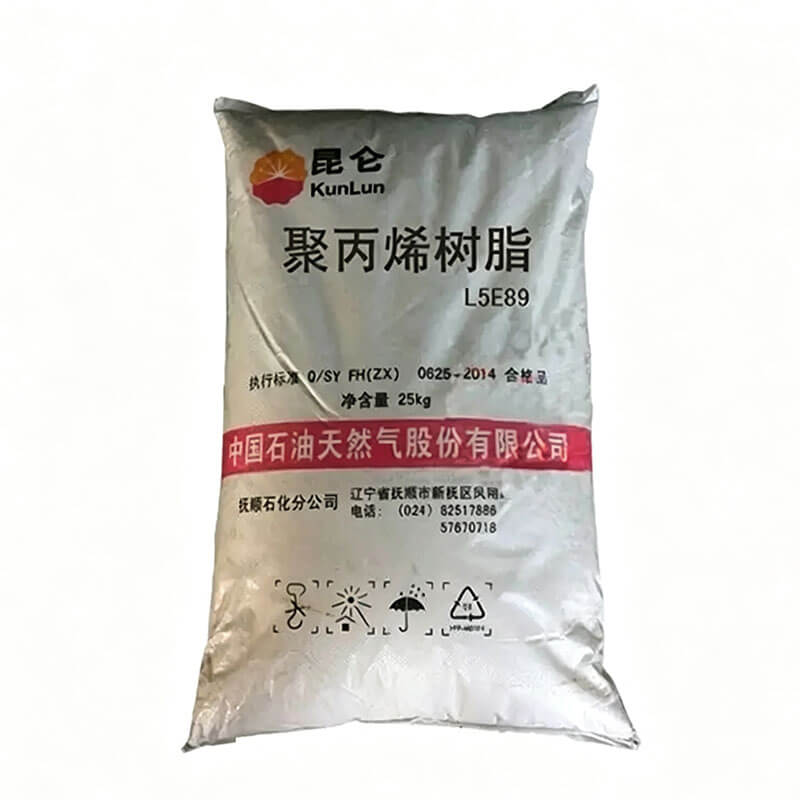
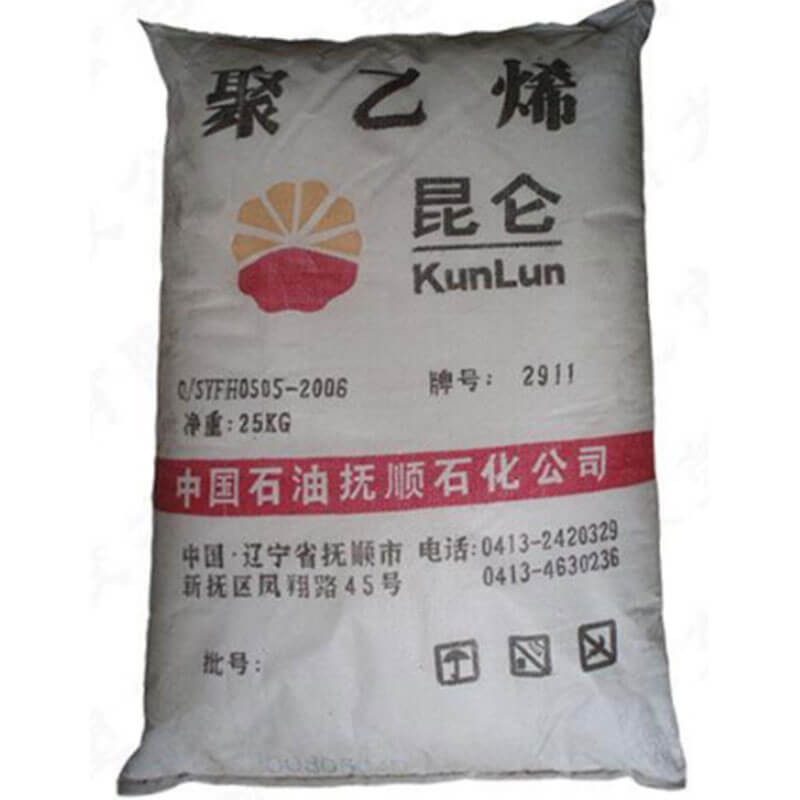
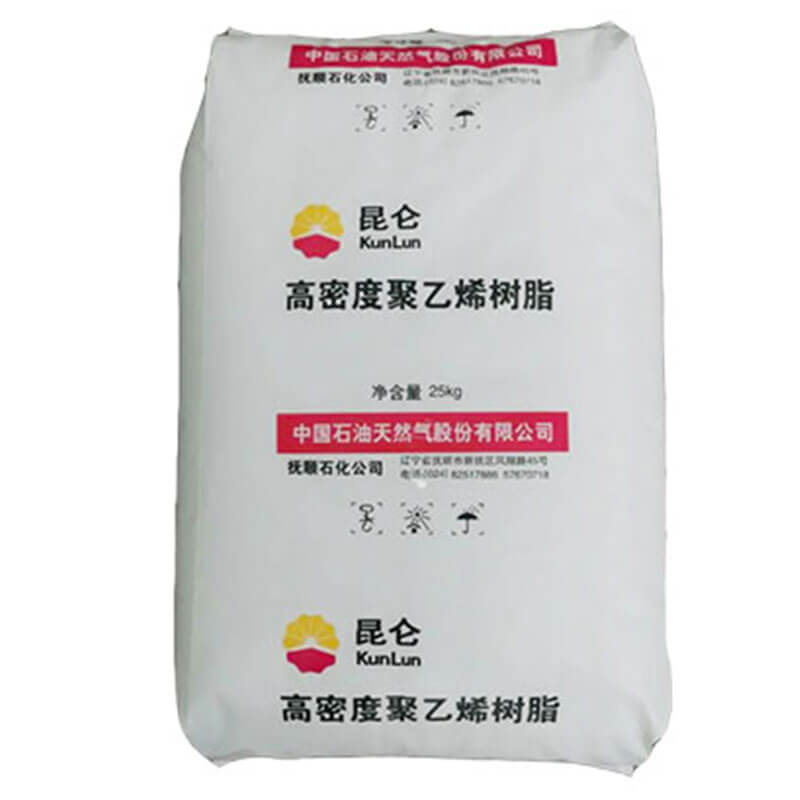
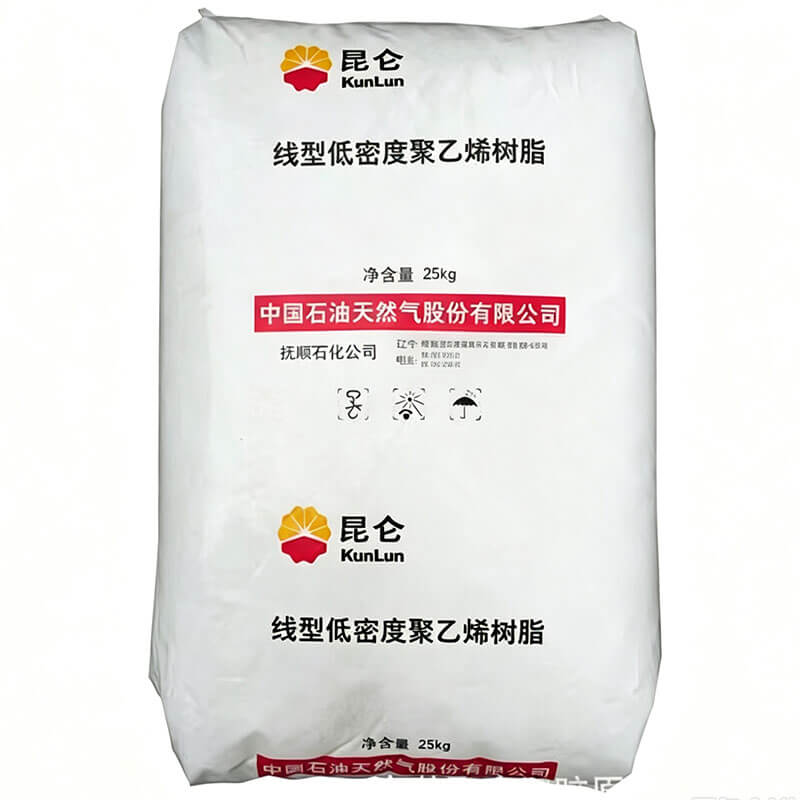
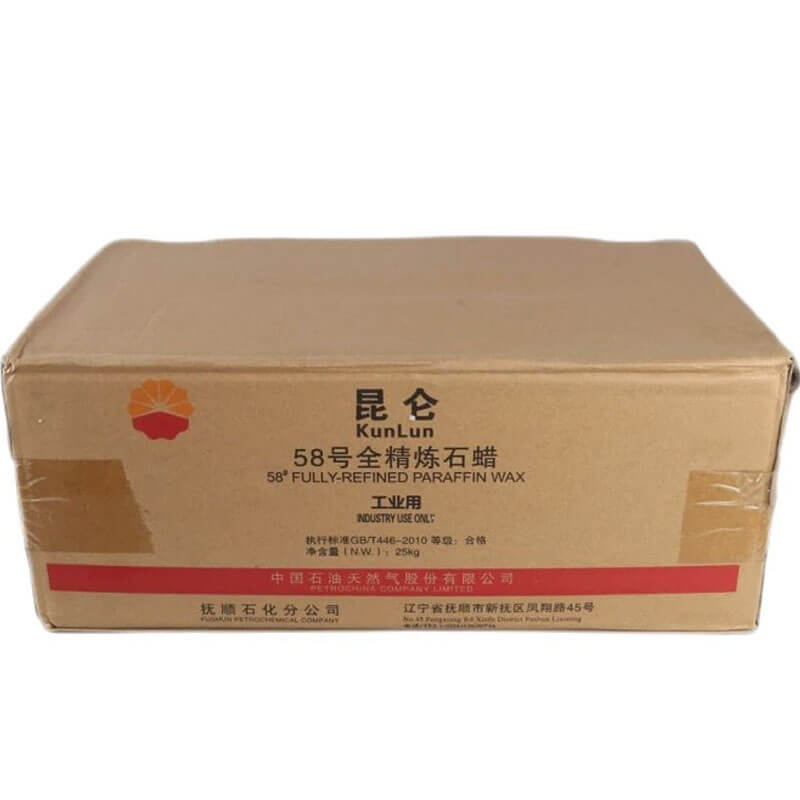
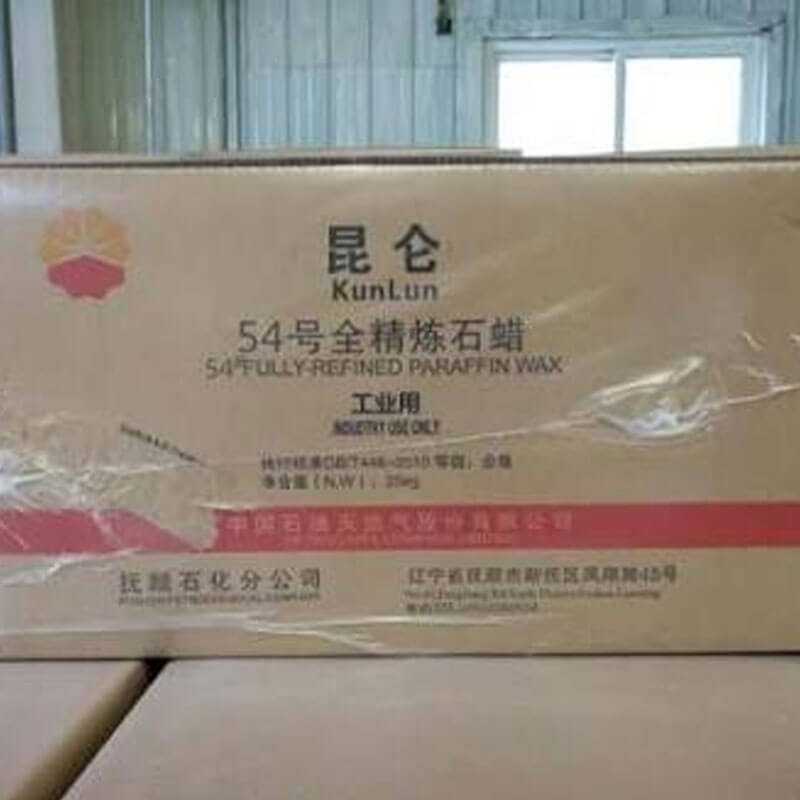
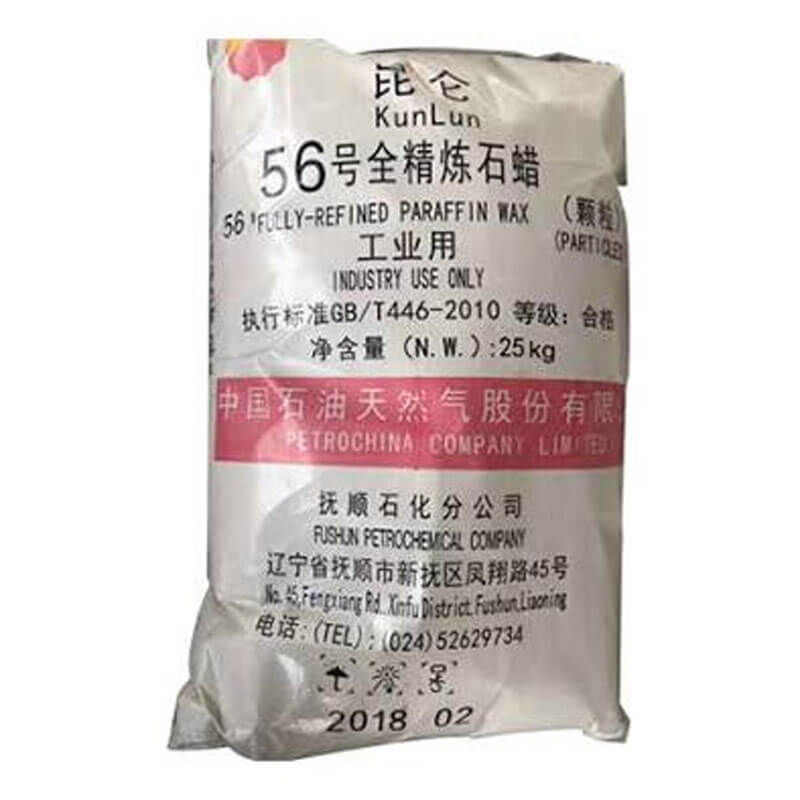
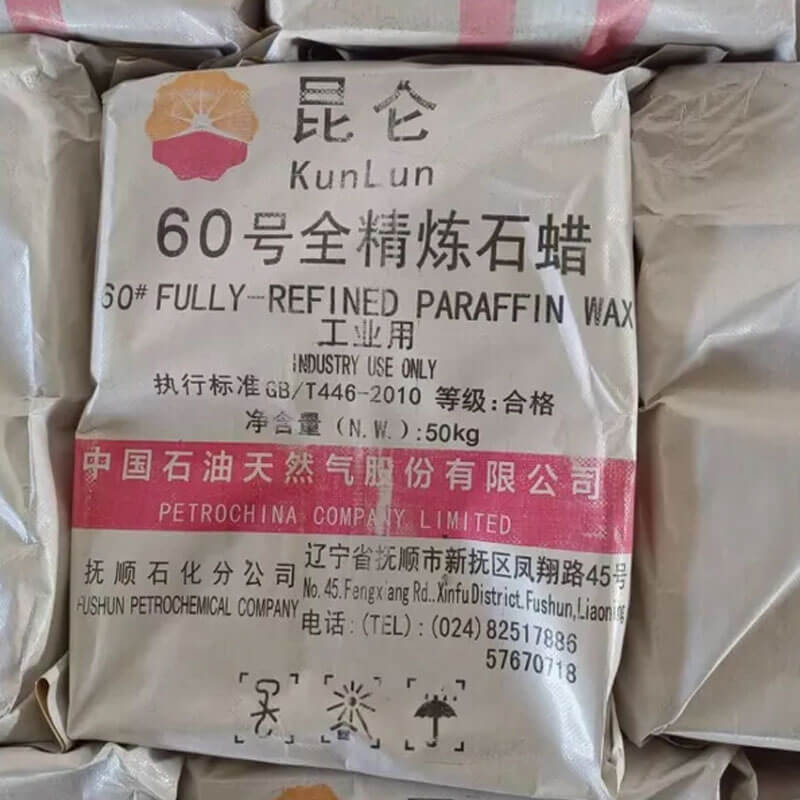
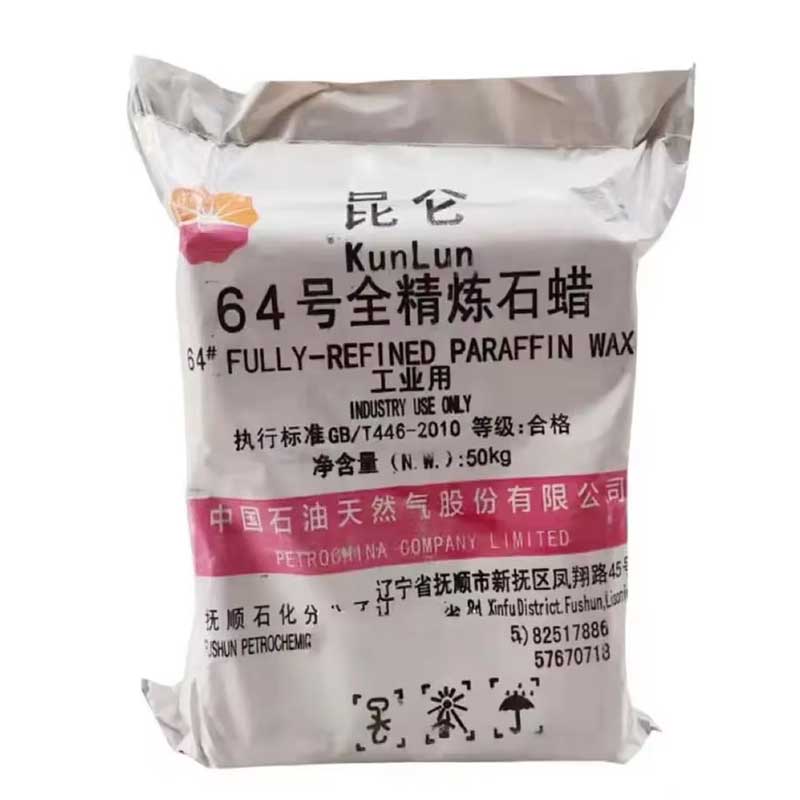
| Packing | 58# Fully-Refined Paraffin Wax is packaged in 25 kg net multi-layer kraft paper bags, palletized and shrink-wrapped for safe transport. |
| Container Loading (20′ FCL) | 20′ FCL of 58# fully-refined paraffin wax, neatly palletized in cartons, secured for safe, contamination-free container loading. |
| Shipping | Ship 58# Fully-Refined Paraffin Wax as solid pastilles or slabs in lined bags, cartons, or bulk hoppers. Keep dry and away from strong oxidizers. For molten transport, maintain temperature above melting point using insulated tankers. Handle with care to avoid slipping; no special hazardous goods classification required. |
| Storage | Store 58# Fully-Refined Paraffin Wax in a cool, dry, well-ventilated area away from direct sunlight, heat, and open flames. Keep containers sealed and protected from physical damage. Avoid contact with strong oxidizers. Maintain temperatures below its melting point to prevent softening or deformation. Ensure proper labeling and good housekeeping to minimize dust accumulation and fire risk. |
| Shelf Life | Shelf life is indefinite when stored in a cool, dry area away from heat, sunlight, and contaminants. |
In candle manufacturing, 58# fully-refined paraffin wax is specified when the release criteria for visible smoke and off-flavour generation are tighter than those for generic slack wax. The residual oil content, measured by ASTM D721, is held below 0.5 wt%. Melting point determined by ASTM D87 is typically 58–60°C. Needle penetration at 25°C under ASTM D1321 is maintained between 12 dmm and 18 dmm; this range balances punch release with green strength in high-speed rotary presses running at 45–60 strokes/min. Fully refined wax is melted at 75–85°C in jacketed melters, chilled through scraped-surface heat exchangers to 40–45°C, and pressed into pellets or slabs. Fragrance oil is metered at 3–7 wt% of the hydrocarbon phase. Low aromatic content reduces the formation of polar wax–fragrance agglomerates that suppress cold throw. That same low aromaticity reduces surface bloom after thermal cycling between 5°C and 35°C. For thin-walled tealight shells with wall thickness below 2 mm, straight 58# paraffin is blended with 5–15 wt% microcrystalline wax to reduce brittle fracture during demoulding. Pillar candle lines use flat cotton wicks sized to maintain melt pool diameter at 1.0–1.1 times the body diameter; narrower wicks create tunnelling, while wider wicks raise flame height beyond safe limits. Container candle safety is assessed under ASTM F2058, and visible sooting is graded against ASTM F2326. Terminal products include pressed pillars, container-filled blends, votive cups, and tealight bases.
The dominant resistance point is the cut edge of the combined board after slotting. A 58# fully-refined paraffin applied to single-face corrugated medium at 70–85°C through immersion or cascade coating generates a dry-wax pickup of 3.5–4.5 lb/1,000 ft². The fully refined fraction penetrates the medium and solidifies as a continuous hydrocarbon film over the flute tips when cooling air is maintained below 15°C and line speed does not exceed 150 m/min. Moisture vapour transmission rate is determined by TAPPI T464 or ASTM E96 on conditioned samples. For heavily waxed produce boxes, the MVTR is commonly specified at 5–10 g/m²/24 h at 38°C and 90% RH. Board moisture must be below 12% before immersion; above this level, steam generated during wax contact produces pinhole defects. The refined grade is supplied with Saybolt colour +30 minimum under ASTM D156 to avoid discolouration of white board. Food-contact compliance is covered under FDA 21 CFR 176.170 for paper and paperboard components and FDA 21 CFR 178.3710 for petroleum wax. Waxed corrugated terminal products include poultry transport boxes, seafood shippers, and field-packed produce containers that enter humid cold storage.
| Application | Primary compliance basis | Key control range |
|---|---|---|
| Candle body | ASTM D87, ASTM D721, ASTM D1321, ASTM F2058 | Oil content ≤ 0.5 wt%; penetration 12–18 dmm at 25°C |
| Food packaging wax coating | FDA 21 CFR 176.170; FDA 21 CFR 178.3710; TAPPI T464 | Dry wax pickup 3.5–4.5 lb/1,000 ft²; MVTR 5–10 g/m²/24 h |
| Hot melt adhesive | ASTM D3236; ASTM E28; ASTM D1876 | Wax fraction 15–25 wt%; viscosity 1,200–1,800 mPa·s at 180°C |
| Tyre/rubber antiozonant | ISO 1431-1; ASTM D1149; IP 346 | Total wax 1.0–2.0 phr; paraffin:microcrystalline ratio 1:1 to 1:2 |
| Pharmaceutical/cosmetic base | USP-NF Paraffin monograph; EU 1223/2009; Ph.Eur. paraffin monograph | Paraffin:mineral oil mass ratio 1:4 to 1:6; coating weight 0.3–0.6 mg/cm² |
| Rigid PVC external lubricant | ISO 306; ASTM D2538 | Wax dose 0.05–0.20 phr; calcium stearate 0.5–1.2 phr |
In EVA-based hot melt adhesive compounding, 58# fully-refined paraffin wax functions as a viscosity depressant and open-time regulator. A representative packaging adhesive based on an EVA copolymer with 28 wt% vinyl acetate and melt index 25 g/10 min under ASTM D1238 will shift from 4,000–6,000 mPa·s to 1,200–1,800 mPa·s at 180°C when the wax fraction is increased from 10 wt% to 20 wt%. That viscosity window permits spiral spray application through 0.4 mm nozzle orifices at air pressure 1.0–2.0 bar. Set time on Kraft paper shortens by 0.4–0.8 s for every 5 wt% wax increment above 15 wt%. Below this wax fraction, open time increases, but moisture resistance of the solidified bond declines. Above 25 wt% wax, low-temperature peel resistance at -10°C shifts from cohesive to adhesive failure because the crystalline paraffin domains embrittle the bond line. Viscosity is measured by ASTM D3236, ring-and-ball softening point by ASTM E28, and peel on untreated polyethylene film by ASTM D1876. Moisture in the resin or tackifier must be below 0.1% before compounding; higher water content causes foaming at application temperature. Terminal products include case sealing, tray erecting, bookbinding, and filter assembly adhesives.
Replacement of Fischer-Tropsch hard wax with 58# fully-refined paraffin changes surface bloom kinetics and crystalline platelet continuity on the vulcanizate. In a typical passenger car radial sidewall compound based on 50/50 NR/BR, total hydrocarbon wax is maintained at 1.0–2.0 phr. Because fully refined paraffin has a normal alkane distribution centred near C24–C30, it blooms into a dense, highly crystalline film that provides static ozone protection but performs poorly under dynamic flex cycling. A paraffin:microcrystalline wax ratio of 1:1 to 1:2 is therefore used to keep the bloom flexible. The wax is added after carbon black dispersion in internal mixers with ram pressure 0.5–0.6 MPa and drop temperature 155–165°C to avoid thermal degradation of the paraffin fraction. Static ozone resistance is assessed under ISO 1431-1 at 50 pphm and 40°C; no visible cracking is generally recorded after 72 h when the bloom film thickness reaches 0.5–1.0 μm. Dynamic testing on De Mattia flexed specimens at 20% extension and 25°C reveals surface cracking if total wax exceeds 2.5 phr because the paraffin film cannot deform with the rubber matrix. For dermal contact articles, the DMSO extractable fraction of the hydrocarbon wax is specified below 3% by IP 346 under REACH Annex XVII restriction logic. Terminal products include tire sidewalls, solid rubber profiles, conveyor belt covers, and extruded weatherstrip with controlled ozone bloom.
For anhydrous topical bases, 58# fully-refined paraffin wax is differentiated from lower-melting grades by its ability to raise the softening point of the finished oleogel without excessive brittleness. A paraffin:white mineral oil mass ratio of 1:4 to 1:6 is typical; the wax is heated to 70–75°C and cooled under slow agitation to build a continuous crystalline network. The fully refined grade is used when the supplier certifies the material against the USP-NF Paraffin monograph and the European Pharmacopoeia Paraffin hydrocarbon monograph. These require low unsaturated hydrocarbon content and controlled acidity/alkalinity. In pharmaceutical tablet sealing, the wax is applied at 0.3–0.6 mg/cm² coating weight from a hot melt dispersion at 60–70°C to mask unpleasant active ingredient taste. It is not suitable for controlled-release dosage forms because the continuous paraffin layer has negligible water permeability. Cosmetic formulations under EU 1223/2009 must confirm the wax purity profile through batch analysis for heavy metals and polycyclic aromatic hydrocarbons. Terminal products include emollient ointments, anhydrous barrier creams, lip balm sticks, and hot-melt seal coats on vitamin tablets.
Rigid PVC dry blends for window profile and pipe extrusion use 58# fully-refined paraffin wax as a non-polar external lubricant. On a parallel counter-rotating twin-screw extruder with L/D 26:1 and screw diameter 65 mm, the wax dose is generally 0.05–0.20 phr; calcium stearate is maintained at 0.5–1.2 phr and oxidized polyethylene wax at 0.1–0.3 phr. The wax forms a release film at the PVC–metal interface in the metering zone. A torque reduction of 4–8% is measurable when the wax is raised from 0.10 phr to 0.20 phr. Above 0.35 phr, the extrudate develops plate-out deposits in the calibrator vacuum slots, and the Vicat softening temperature under ISO 306 method B50 falls by 1–2°C. Processing windows are evaluated on torque rheometers per ASTM D2538, where fusion time increases as external lubricant level rises. The same paraffin type functions in injection moulded conduit fittings, but mould temperature must remain above 25°C to avoid surface haze from crystallized wax at the freeze front. Terminal products are rigid PVC window profiles, foam-core drainage pipe, injection moulded electrical conduit, and exterior siding.
Competitive 58# Fully‑Refined Paraffin Wax prices that fit your budget—flexible terms and customized quotes for every order.
For samples, pricing, or more information, please contact us at +8618136850665 or mail to sales4@ascent-chem.com.
We will respond to you as soon as possible.
Tel: +8618136850665
Email: sales4@ascent-chem.com
Flexible payment, competitive price, premium service - Inquire now!
58# fully-refined paraffin wax is a straight-chain saturated hydrocarbon fraction obtained from the solvent dewaxing and hydrotreating of vacuum gas oil distillate. The model designation 58# refers to a nominal melting point of 58 °C under the grading framework of GB/T 446‑2010, with commercial release ranges commonly spanning 58 °C to 60 °C by ASTM D87. The fully refined classification is applied when oil content is controlled below 0.5 wt%, Saybolt color is not lower than +30, and ultraviolet absorbance characteristics are reduced to a level acceptable for direct food-contact certification. The material is typically supplied as translucent white pastilles, pellets, or slabs with a low-odor profile and a narrow melting range.
The material differs from less processed wax categories primarily in the severity of hydrotreating and solvent deoiling. Residual oil, sulfur species, nitrogen compounds, and branched-chain impurities are removed to a greater extent than in semi-refined wax or slack wax. This refining severity reduces smoke density during combustion, lowers color instability after repeated reheat cycles, and decreases migration tendency in polymer blends. Common application areas include candle body formulations, paper coating, hot-melt adhesives, crayon manufacture, rubber antiozonant compounds, and rigid PVC lubricant packages. Each application imposes different thermal, viscosity, and regulatory boundaries.
Fully-refined 58# paraffin wax is not simply a narrower melting cut of a less processed feedstock. The critical distinction is the refining severity. Slack wax is the crude waxy cut recovered from primary dewaxing operations and may contain 5 wt% to 30 wt% residual oil. Semi-refined material is produced from slack wax by additional solvent deoiling and clay percolation but retains measurable branched and aromatic species. In contrast, fully-refined 58# material undergoes subsequent hydrotreating or hydrogenation, reducing sulfur to low single-digit to sub-20 mg/kg levels and producing a Saybolt color that remains stable under multiple reheat cycles.
The lower residual oil content in fully-refined wax modifies the solid-state crystalline network. Fully-refined grades contain fewer low-melting eutectic domains, reducing surface exudation and blocking in coated paper. Semi-refined grades often retain 1.0 wt% to 2.5 wt% oil, producing a softer wax with a wider melting envelope. That wider envelope may be acceptable in inexpensive candle formulations but produces inferior barrier properties in food packaging. The comparison in Table 2 summarizes the principal refining category differences relevant to procurement and process qualification.
| Parameter | 58# fully-refined | Semi-refined | Slack wax |
|---|---|---|---|
| Oil content | ≤0.5 wt% | 1.0–2.5 wt% | 5–30 wt% |
| Saybolt color | ≥+30 | +10 to +20 | dark, opaque |
| Sulfur | <20 mg/kg | 20–100 mg/kg | often >100 mg/kg |
| Odor | low, mild | moderate | pronounced |
| Processing route | solvent deoiling plus hydrotreating | solvent deoiling plus clay treatment | primary solvent dewaxing |
| Typical qualification | may meet FDA 21 CFR 172.886 if certified | industrial only | industrial only, often fuel upgrading |
The release specification for commercial 58# fully-refined paraffin wax is typically structured around the parameters shown in Table 1. The values are representative supplier release windows; individual batch certificates may vary within the tolerances of the cited methods. Batch-to-batch drift in oil content even within the 0.5 wt% ceiling can shift surface gloss and blocking behavior in highspeed converting operations, so incoming inspection should include ASTM D721 and ASTM D156 testing when downstream specifications are narrow.
| Parameter | Test method | Representative range or limit |
|---|---|---|
| Melting point | ASTM D87 | 58 °C to 60 °C |
| Congealing point | ASTM D938 | 57 °C to 59 °C |
| Oil content | ASTM D721 | ≤0.5 wt% |
| Saybolt color | ASTM D156 | ≥+30 |
| Kinematic viscosity at 100 °C | ASTM D445 | 4.0 mm²/s to 7.0 mm²/s |
| Needle penetration at 25 °C | ASTM D1321 | 10 dmm to 20 dmm |
| Acid number | ASTM D1386 | ≤0.05 mg KOH/g |
| Sulfur | ASTM D4294 | <20 mg/kg |
| Flash point, Cleveland open cup | ASTM D92 | > 200 °C |
The congealing point of 58# fully-refined paraffin wax is governed by the distribution of n-paraffin chain lengths, primarily C24 to C34. A narrow chain-length distribution produces a sharper solid-liquid transition and a well-defined plateau in the cooling curve. When oil content is allowed to remain near the 0.5 wt% upper limit, the residual low-melting components concentrate at grain boundaries and increase the proportion of amorphous interlamellar material. This effect lowers the observed congealing point and broadens the melting range, which can be misinterpreted as a lower grade unless both ASTM D87 and ASTM D938 are reported.
Solid-state morphology follows the crystalline phases typical of paraffin wax, including the transition from a rotator phase to the stable orthorhombic phase during cooling. This transition is accompanied by volumetric contraction. In industrial solidification, the contraction is the primary cause of slabbing delamination and centerline shrinkage. Water-cooled drum flakers and steel belt coolers with an inlet wax temperature of 70 °C to 90 °C and a discharge temperature below 35 °C are generally required to develop a stable slab. Published multi-laboratory data for this exact 58# grade in instrumented continuous cooling is limited, but the contraction mechanism is well documented for fully refined paraffin waxes.
The melt viscosity at 100 °C is a practical control point for pumping and metering. If a received batch reaches the upper limit of 7.0 mm²/s, heated lines and strainers must be sized accordingly to avoid pressure drops exceeding the design rating of the transfer skid. For high-viscosity batches, gear pumps with internal clearances adjusted for wax service are preferred over centrifugal pumps, and line temperatures should be maintained above 80 °C to prevent congealing at low-flow sections.
In candle manufacturing, 58# fully-refined paraffin wax is typically blended with microcrystalline wax, stearic acid, or polymeric additives to modify burn rate, surface finish, and demolding. The 58 °C melting range provides sufficient body to resist slumping at ambient temperatures up to 35 °C while remaining processable in heated filling systems. Additive loadings are formulation-specific; unmodified paraffin wax may exhibit cold-flow creep and surface frosting under cyclic temperature storage. The oil content below 0.5 wt% reduces smoke generation during combustion compared with semi-refined grades. However, wick selection remains critical because a wick with insufficient capillary flow can starve the flame and produce flare. High-speed compression lines typically require the wax powder to be preconditioned to 22 °C to 28 °C to avoid agglomeration in feed hoppers.
In paper and board coating, 58# fully-refined paraffin wax is applied by roll coating, curtain coating, or extrusion lamination to reduce water vapour transmission and improve fold cracking resistance. The low oil content prevents visible staining at the coating-substrate interface and maintains the coefficient of friction within a narrow band. For food-grade board, certification against FDA 21 CFR 172.886 or FDA 21 CFR 176.170 may be required, depending on the contact type. Migration testing is normally performed by the packaging converter using fatty-food simulants and the relevant regional compliance protocol, not by the wax supplier.
Barrier performance is directly related to coating continuity rather than wax grade alone. A pinhole-free coating of 15 g/m² to 25 g/m² on bleached board can reduce water vapour transmission, but the exact value depends on substrate porosity and coat weight distribution. On high-speed coaters, melt viscosity at 100 °C below 7.0 mm²/s is usually necessary to maintain uniform transfer. Higher-viscosity batches can produce transverse chatter lines if the applicator roll gap is not adjusted. The narrow melting range of fully-refined 58# wax also supports fast setting on chilled rolls, reducing blocking in stacked sheets.
When compounded into EVA-based hot-melt systems, 58# fully-refined paraffin wax functions as a viscosity depressant and open-time modifier. In L/D 40:1 twin-screw or sigma-blade mixers, the wax is commonly charged with the polymer and tackifier. The low oil content reduces the risk of plasticizer-like migration into the substrate, a known failure mode in packaging adhesives. Formulators should monitor wax-polymer compatibility because high-melting n-paraffin content can produce wax bloom on the adhesive surface when the formulated system is cycled below 5 °C. Addition levels are application-specific; technical data sheets for waxy hot-melt systems frequently report wax fractions between 5 wt% and 25 wt%, but the optimum depends on the ethylene-vinyl acetate content and tackifier aromaticity.
In rubber compounds, 58# fully-refined paraffin wax is used as a physical antiozonant to form a protective surface film on cured articles. The bloom rate is governed by migration kinetics in the rubber matrix; fully refined material with a narrow carbon distribution blooms more consistently than semi-refined wax with higher oil content. The wax does not participate in sulfur vulcanization kinetics, but it can affect surface tack and mold release. The commonly specified dosage in tire sidewall and technical rubber goods is 1.0 phr to 3.0 phr. Published data for this exact 58# grade in high-durometer sidewall formulations is limited, so compound-specific bloom studies are required before production release.
The cooling curve of 58# fully-refined paraffin wax exhibits a plateau near the melting point during which latent heat removal controls the solidification rate. If heat is removed too rapidly from a thick slab, the surface solidifies while the core remains above the congealing point, producing a shell that can crack under residual stress. In continuous steel-belt systems, belt speed, water spray temperature, and feed thickness are interdependent. A practical operating window reported on production equipment uses a wax feed temperature of 75 °C to 85 °C, cooling water supply of 15 °C to 25 °C, and a belt residence time sufficient to reduce the core temperature below 40 °C. These values are not universal and depend on slab thickness and belt heat flux. Published data for this precise grade in a continuous pastille line is limited, and the safest control strategy is to use in-line infrared thermography to verify uniform discharge temperature rather than relying solely on belt speed.
If the wax is pelletized by a drop former or pastillator, the viscosity at the nozzle temperature must be low enough to form discrete droplets but high enough to avoid spreading after deposition. For 58# material, nozzle temperatures of 85 °C to 95 °C are typical. This range must be adjusted when the batch shows viscosity at the upper end of the 7.0 mm²/s limit. Poor droplet separation or tail formation indicates that the melt temperature is too low, while flattening and agglomeration indicate that the cooling surface is too warm or the residence time is too short. Pastille quality is best verified by measuring particle size distribution and the presence of fused clusters rather than by visual inspection alone.
Before the wax is approved for cosmetic and pharmaceutical use, the supplier must demonstrate that the batch meets the relevant compendial monograph, such as the USP Paraffin Wax monograph or the Ph. Eur. Paraffin Wax monograph. The compendial tests include limits on polycyclic aromatic hydrocarbons, melting range, and organic impurities. Not all industrial 58# fully-refined batches are automatically suitable for drug or cosmetic applications because compendial compliance cannot be inferred from melting point alone. Additional purification and documentation controls beyond the standard industrial specification are required.
For food-contact use in the United States, 58# fully-refined paraffin wax may be used only when it complies with FDA 21 CFR 172.886 as a direct food additive or FDA 21 CFR 178.3710 as an indirect additive, depending on the application. Compliance requires testing for ultraviolet absorbance limits, oil content, and color, as well as appropriate good manufacturing practice documentation. In the European Union, the wax must be registered under REACH and may be subject to specific migration limits when used in food-contact materials. The applicable framework is the relevant plastics or paper and board regulation, not a single wax-specific directive. For industrial applications, the producer may also need to provide statements for RoHS, REACH SVHC content, and sulfur limits where combustion emissions are relevant.
Operational boundaries include avoiding prolonged heating above 120 °C in the presence of air, because oxidative discoloration and acidic decomposition products can form. The material is incompatible with strong oxidizing agents. Prolonged ultraviolet exposure accelerates surface yellowing and the formation of oxygenated species. For bulk storage in heated tanks, a temperature of 70 °C to 80 °C under dry air or nitrogen padding is generally sufficient to maintain pumpability without accelerating oxidation. Moisture is not a significant processing variable because the wax is hydrophobic, but equipment surfaces should be free of residual water to prevent steam formation when the molten wax is introduced.