64# Fully‑Refined Paraffin Wax

    • Product Name: 64# Fully‑Refined Paraffin Wax
    • Factroy Site: No. 45 Fengxiang Road, Xinfu District, Fushun City, Liaoning Province
    • Price Inquiry: sales4@ascent-chem.com
    • Manufacturer: PetroChina Fushun Petrochemical Company
    • CONTACT NOW
    Specifications
    HS Code 543571
    Melting Point 64°C
    Appearance white crystalline solid
    Oil Content ≤0.5%
    Penetration At 25 C 20-35 1/10 mm
    Saybolt Color ≥+30
    Odor odorless
    Moisture Content ≤0.1%
    Flash Point ≥210°C
    Density At 20 C 0.90 g/cm³
    Kinematic Viscosity At 100 C 5.5-7.5 mm²/s
    Thermal Stability stable up to 200°C
    Toxicity non-toxic

    As an accredited 64# Fully‑Refined Paraffin Wax factory, we enforce strict quality protocols—every batch undergoes rigorous testing to ensure consistent efficacy and safety standards.

    Packing & Storage
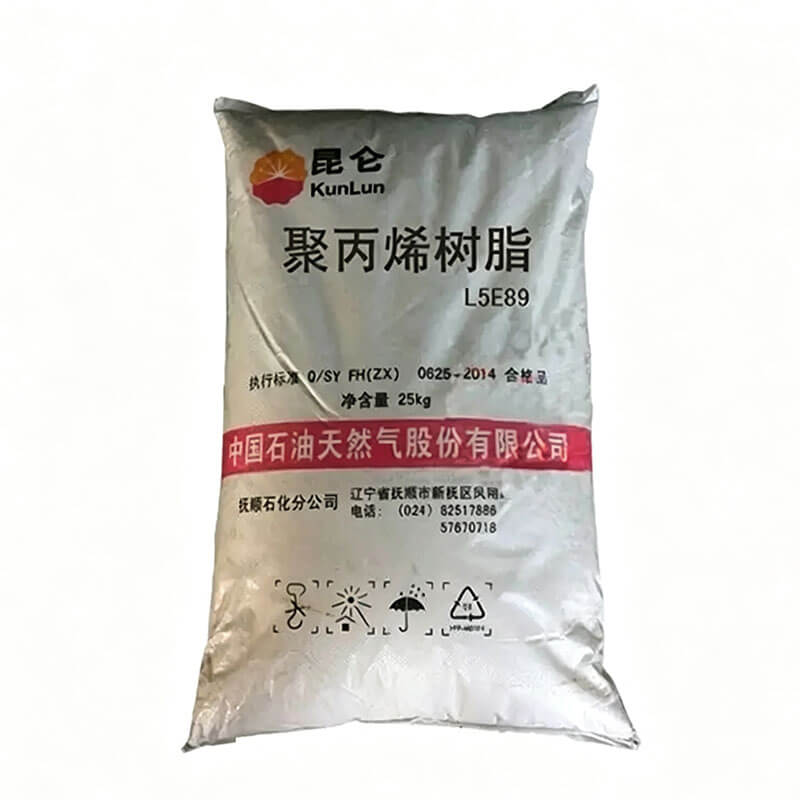
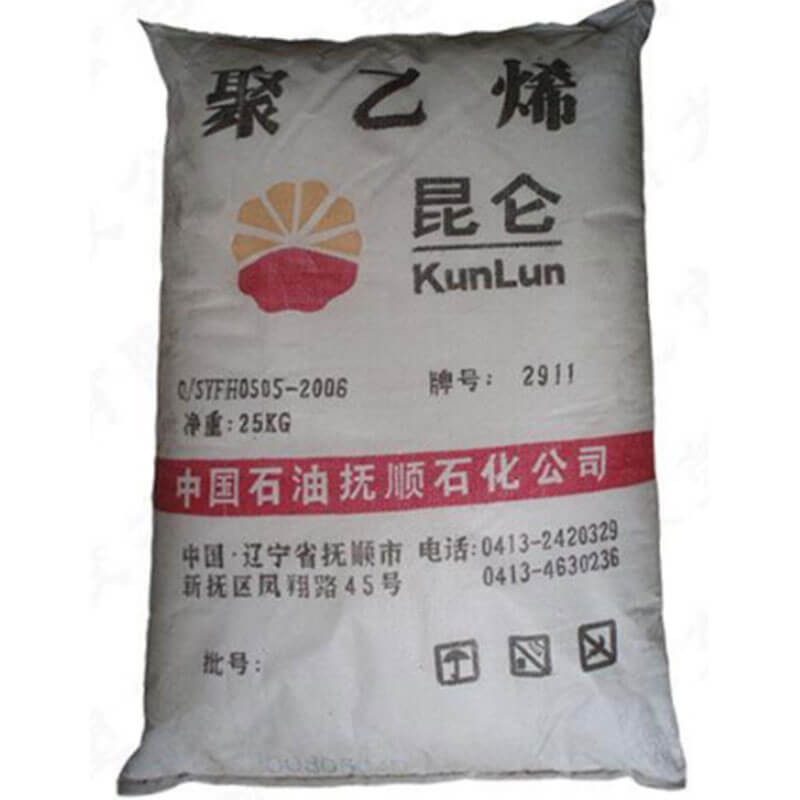
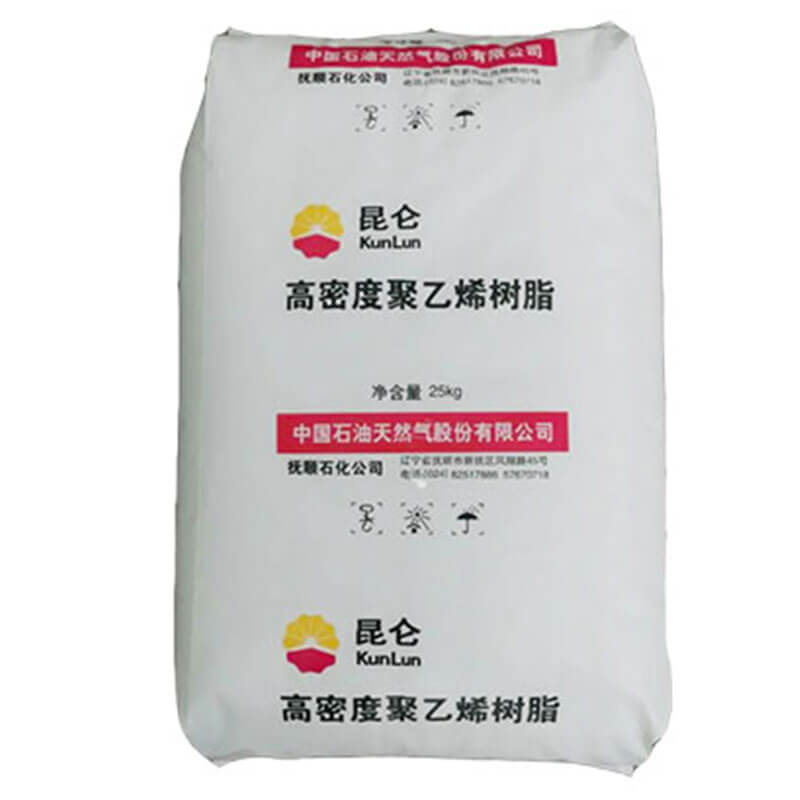
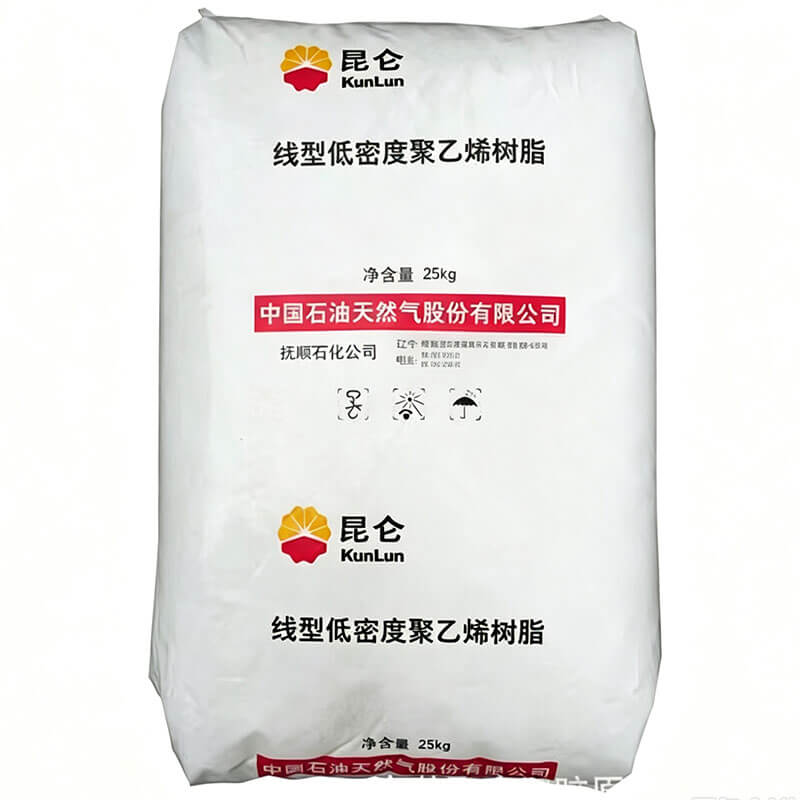
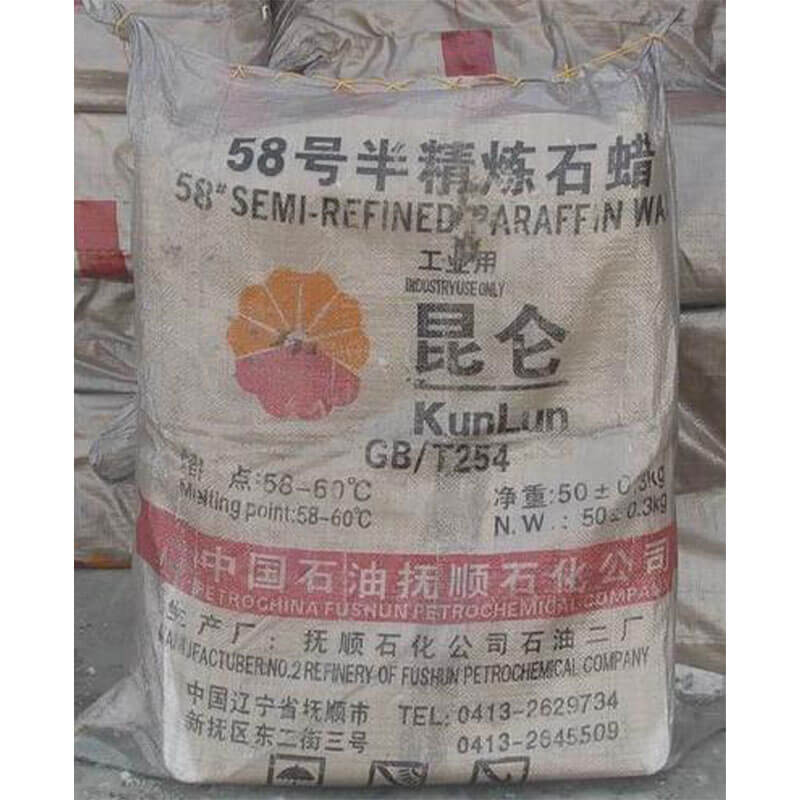
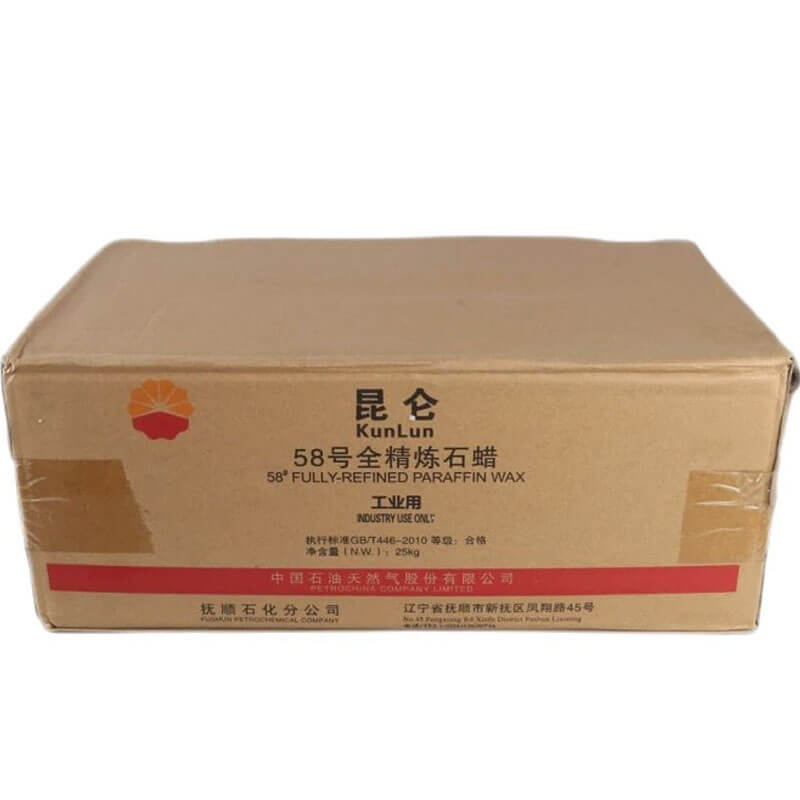
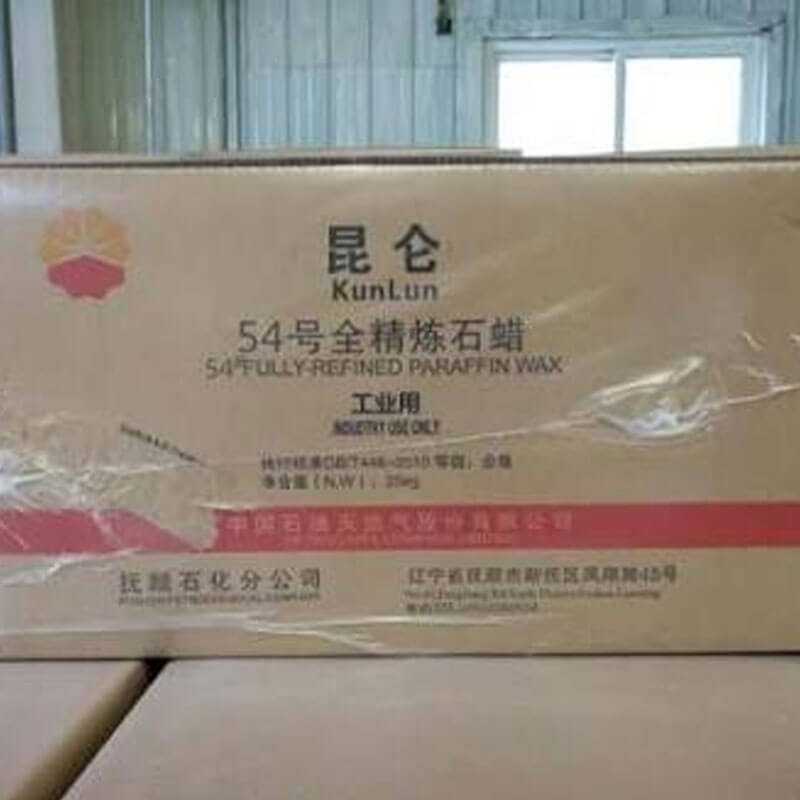
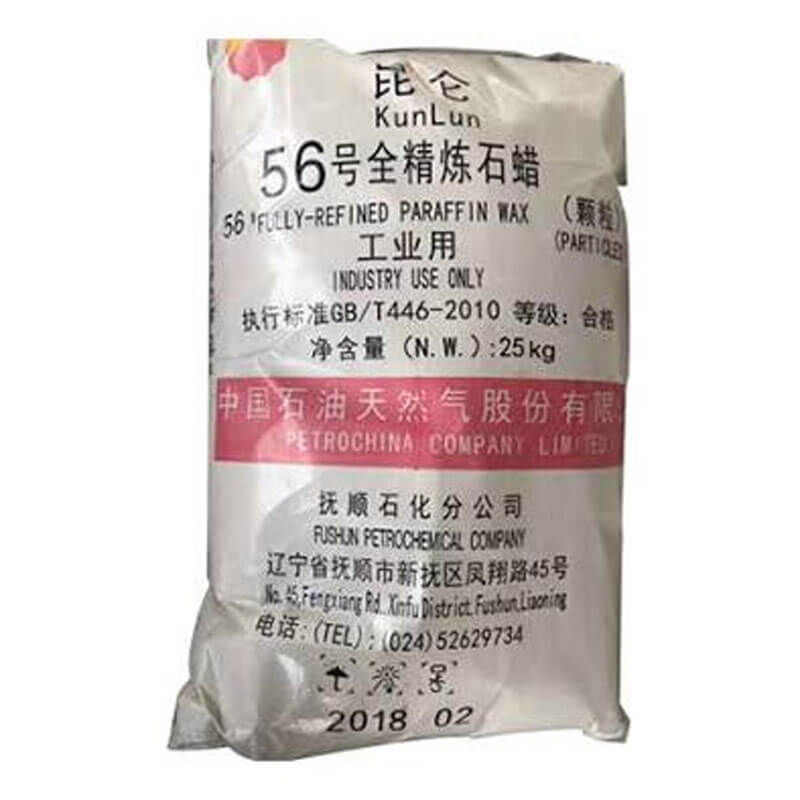
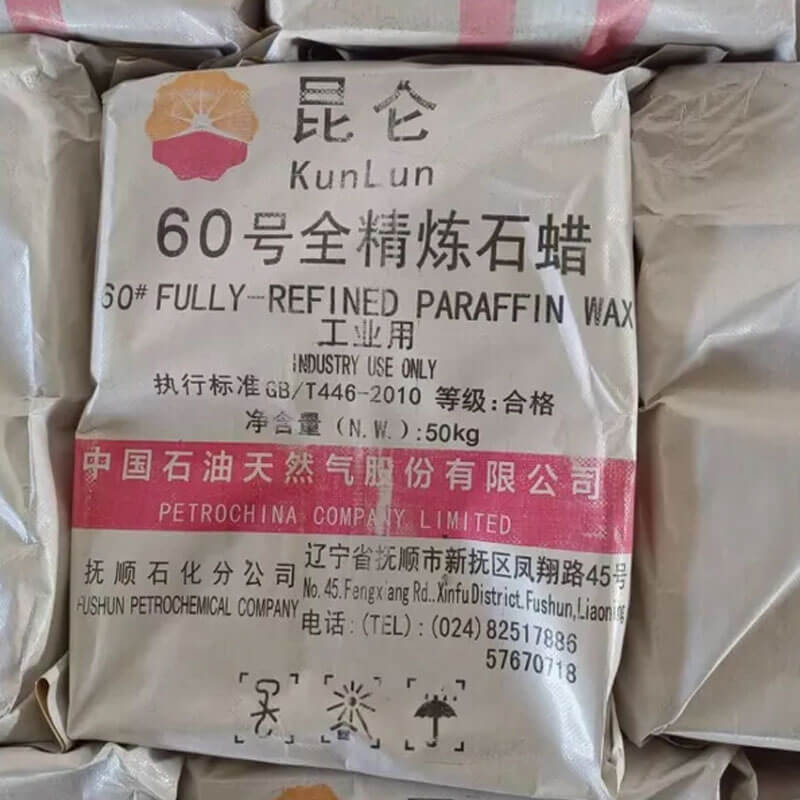
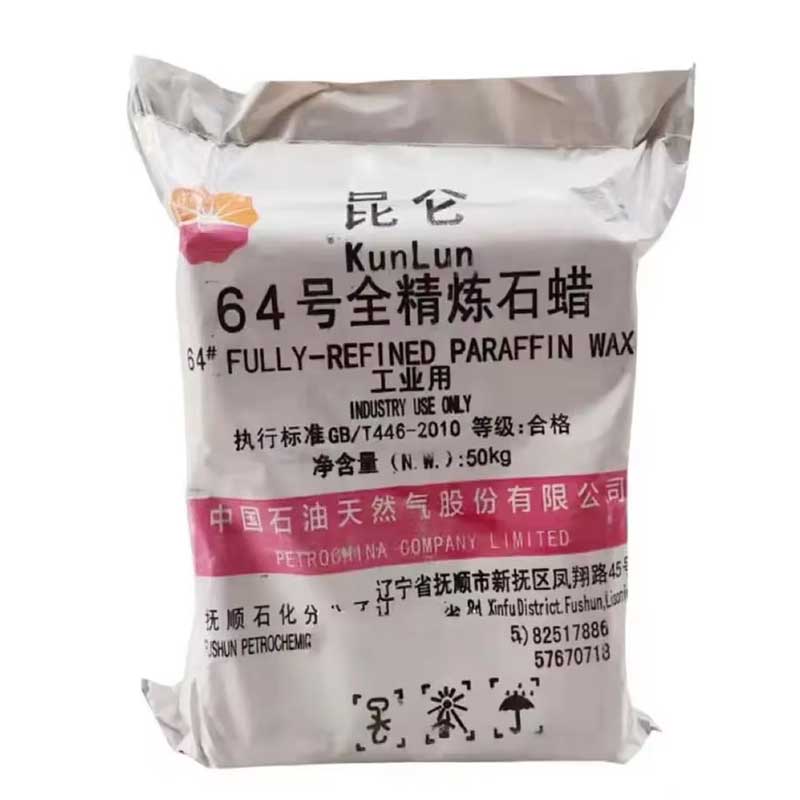
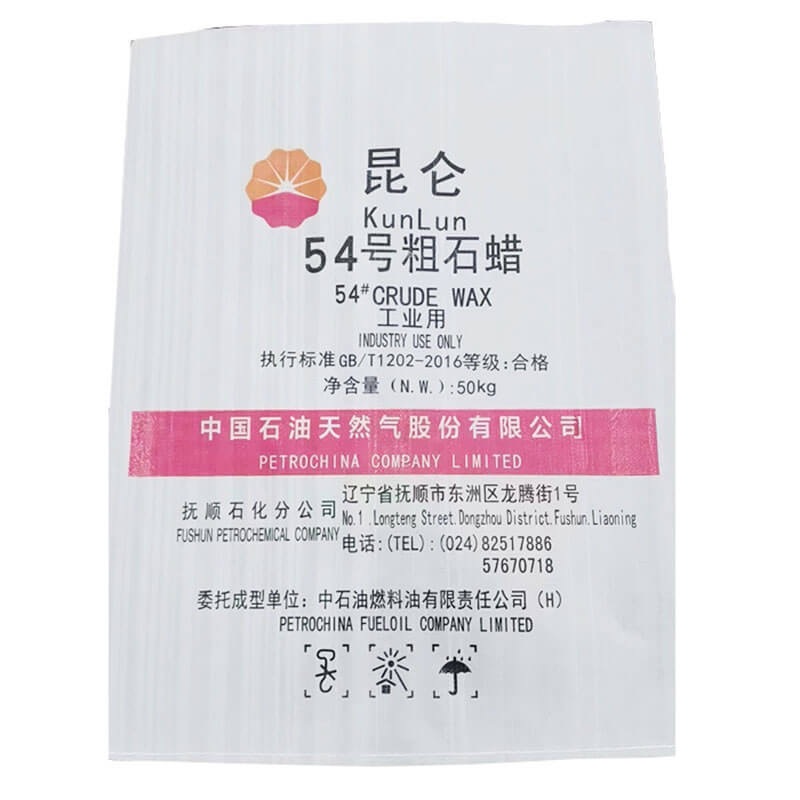
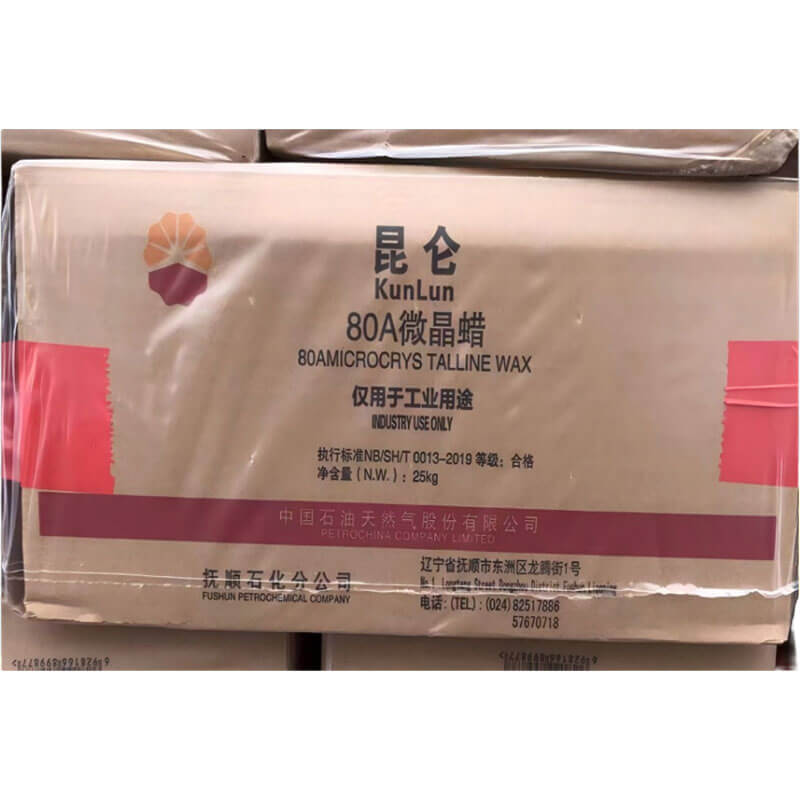
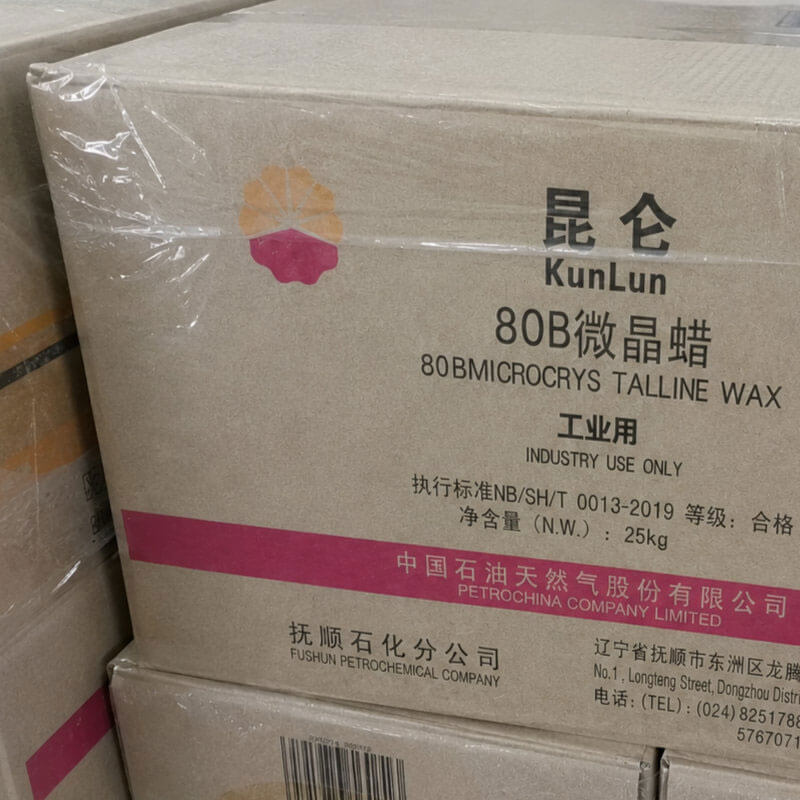
    Packing 64# Fully-Refined Paraffin Wax is packaged in 25 kg net multi-ply paper bags, palletized, stretch-wrapped, and labeled for safe handling.
    Container Loading (20′ FCL) 20′ FCL loading: 64# fully-refined paraffin wax packed in 25kg bags, palletized and stowed evenly for safe transport.
    Shipping 64# Fully-Refined Paraffin Wax ships as a non-hazardous solid. Pack in sealed, moisture-proof bags or cartons to prevent contamination. Keep away from direct sunlight, high heat, and ignition sources during transit. Avoid rough handling to maintain block integrity. Ensure proper ventilation in storage and transport containers.
    Storage Store 64# Fully-Refined Paraffin Wax in a cool, dry, well-ventilated area away from direct sunlight, heat sources, and open flames. Keep containers tightly sealed to prevent contamination and moisture absorption. Avoid stacking excessively high to prevent deformation. Maintain storage temperatures below 40°C to preserve quality and prevent softening.
    Shelf Life Indefinite shelf life if stored cool and dry, away from heat, sunlight, and oxidizing materials.
    Application of 64# Fully‑Refined Paraffin Wax

    Melting at 64°C under ASTM D87-18, 64# fully refined paraffin wax enters candle manufacturing as the continuous phase in paraffin-stearic acid systems where oil content below 0.5 wt% as measured by ASTM D721-17 directly controls surface exudation, fragrance retention, and drip behavior. Production-scale rotary molding and continuous chilling lines typically hold the wax reservoir at 75–85°C; sustained superheat above 95°C is avoided because oxidation by-products can increase needle penetration measured by ASTM D1321-10 and lower the smoke point. In container candle formulations, addition levels commonly fall between 60–80 wt% 64# wax, 5–10 wt% stearic acid, 3–8 wt% microcrystalline wax, and 3–6 wt% fragrance oil; pillar formulations may shift to 80–95 wt% paraffin wax with 2–6 wt% microcrystalline wax to increase slump resistance. The downstream production process consists of melt filtration through 10–25 µm bag or cartridge filters, low-shear additive blending, cooling on a water-jacketed scrape-wall crystallizer to 50–55°C, and molding into pre-wicked containers or cylindrical pillar presses. Cooling rate at the mold wall determines crystal size distribution; forced-air cooling at 18–24°C yields smaller crystals with lower internal stress, while quench cooling below 10°C can generate surface cracks in high-paraffin formulations. Compliance is evaluated under ASTM F2417-17 for fire safety, EN 15493:2019 for European candle fire safety, REACH registration and CLP notification for wax blends, and California Proposition 65 for combustion emissions when fragrance or dye additives are included. Terminal finished product types include free-standing pillar candles, container candles, tealights, and devotional candles.

    What Controls Open-Time and Viscosity in EVA-Based Hot Melt Adhesives?

    64# fully refined paraffin wax functions as a crystalline diluent in ethylene-vinyl acetate and metallocene polyolefin hot-melt systems, where its melting point and narrow carbon distribution affect set speed, open time, and low-temperature flexibility. Typical addition ratios range from 5 wt% to 20 wt% in packaging adhesives and up to 30 wt% in non-structural carton closing formulations; below 5 wt% the viscosity reduction is often inadequate for roller application, while above 20 wt% in EVA systems low-temperature brittleness may increase to the point where bond failure occurs at 0–5°C depending on substrate and adhesive coat weight. Compounding is performed in a horizontal sigma-blade mixer or twin-screw extruder with melt temperature maintained at 130–160°C, with the wax added after the polymer and tackifier have reached a homogeneous melt to avoid localized thermal degradation. Apparent viscosity measured by ASTM D3236-15 may decline from 1,200–1,800 mPa·s to 350–600 mPa·s at 175°C as wax loading increases; the exact reduction depends on tackifier type and resin molecular weight. Application equipment includes gear-pump-driven slot-die coaters and heated roller systems operating at 150–180°C, with nip pressure and substrate temperature adjusted to maintain an open time of 1–5 s on corrugated board. Compliance is governed by FDA 21 CFR 175.105 for food-contact adhesives, ASTM D4498-07 for heat-fail temperature, and ISO 1133-1:2022 for melt flow rate measurements when material traceability is required. Terminal finished products include case and carton sealing adhesives, bookbinding adhesives, and packaging tape backings where a hard wax domain contributes to quick fiber-tear bonds.

    Food-contact paper converting lines use 64# fully refined paraffin wax as a moisture and vapour barrier coating where direct wax-to-food contact is permitted under FDA 21 CFR 178.3710 and 21 CFR 176.170. Coating weight is specified by intended end use; bakery interleaving sheets commonly carry 4–10 g/m², while waxed corrugated poultry boxes require 12–20 g/m² to resist melt-water penetration during cold-chain transport. The wax is melted and held at 75–85°C in a jacketed tank and applied by a curtain coater, kiss coater, or saturation bath; the paper web is then passed over chilled rolls at 10–15°C to set the wax layer before slitting. Barrier paper formulations may contain 100% fully refined paraffin wax or blends with 5–15 wt% microcrystalline wax where increased flexibility is needed for folding cartons. A production bottleneck occurs when recycled paperboard with high moisture content is coated above 85°C, because steam generation forms pinholes and disrupts barrier continuity; base stock moisture is therefore maintained below 8%. Terminal finished product categories include waxed paper wrappers, bakery interleaving sheets, corrugated produce and poultry boxes, and laminated paperboard trays.

    Regulatory referenceScopeRelevant condition
    FDA 21 CFR 178.3710Petroleum wax permitted for food packagingFully refined paraffin wax meeting oil content ≤0.5 wt%
    FDA 21 CFR 176.170Paper and paperboard contact with aqueous and fatty foodsCoated paper components subject to extraction limits
    FDA 21 CFR 176.180Paper and paperboard contact with dry foodsWax-treated board
    EU 10/2011Plastic food-contact materialsOverall migration and declaration of compliance
    REACHEU market authorizationSubstance registration and SVHC absence

    When Fully Refined Paraffin Wax Serves as an External Lubricant in Rigid PVC

    Rigid polyvinyl chloride extrusion formulations incorporate 64# fully refined paraffin wax as an external lubricant that reduces melt adhesion to hot metal surfaces and controls shear heating in the metering zone. The addition ratio is narrow at 0.1–0.5 phr based on PVC resin, with 0.3 phr a typical starting point in pipe and profile compounds; beyond 0.6 phr the wax exudes to the die lip and increases plate-out, while below 0.1 phr the lubricating effect is insufficient on parallel twin-screw extruders with barrel temperatures of 170–190°C. Dry blending in a high-intensity Henschel mixer brings the compound to 105–115°C prior to wax melting, allowing the wax to distribute onto the PVC grain surface without forming localized agglomerates that delay fusion. The downstream process includes twin-screw extrusion, calibrator sizing, and water cooling, with head pressure and motor amperage monitored to detect lubrication failure. Fusion time and torque are measured by ASTM D2396-20 and ISO 182-2:2015 for thermal stability; tensile properties of the finished compound are verified by ASTM D638-14. The wax must not contain residual oil above 0.5 wt%, because low-molecular-weight oil fractions lower the Vicat softening temperature and increase emissions at the die. Compliance frameworks include ASTM D1784-20 for PVC compound cell classification, REACH, and RoHS Directive 2011/65/EU where products enter electrical conduit applications. Terminal finished products include rigid PVC pipe, window profile, conduit, and foam board.

    Rubber Compound Ozone Resistance and Wax Film Bloom Behavior

    64# fully refined paraffin wax is added to natural rubber, SBR, and EPDM compounds as a migrating antiozonant film former. The addition range is 0.5–2.0 phr; at 0.5 phr the wax film can be discontinuous and provide limited protection under static ozone exposure, while at 2.0 phr the bloom may become a thick, opaque layer that reduces splice tack and printing adhesion. In a typical internal mixer, the wax is charged with the elastomer and carbon black at 60–70°C; it melts and disperses into the polymer phase before vulcanization. After calendering or extrusion, the wax migrates to the surface during cooling and post-cure storage to form a protective paraffin film; bloom onset is commonly evaluated after 72 h at 23°C and 50% RH. Ozone resistance is assessed by ISO 1431-1:2017 under static strain of 20% at 50 pphm ozone and 40°C; the film must remain intact for a specified exposure duration. The melting point of 64# wax affects bloom rate and film hardness; higher-melting waxes produce a slower-blooming, harder film suited to lower ambient tire sidewall exposure, while lower-melting fractions increase tack and dirt pickup. Compliance in tire and automotive rubber parts is controlled by REACH, material specifications derived from ASTM D2000 classification, and OEM-specific approvals. Terminal finished products include tire sidewalls, rubber hoses, weatherstrips, belts, and anti-vibration mounts.

    Blowline wax emulsion systems in medium-density fiberboard and oriented strand board plants use 64# fully refined paraffin wax as the hydrophobic phase, emulsified with nonionic or anionic surfactants to a particle size below 5 µm before injection. Addition levels range from 0.5–1.5 wt% based on oven-dry wood fiber, with higher loadings used for exterior-grade OSB exposed to cyclic moisture. The emulsion is prepared at 80–85°C in a high-shear rotor-stator mixer and then diluted to 0.5–2.0% solids before pumping into the blowline at a point where the fiber temperature is still above the wax melting point. After mat forming and hot pressing at 180–200°C, the wax redistributes within the panel and reduces 24-hour water absorption and thickness swell. Compliance is verified by ASTM D1037-12 for water absorption, thickness swelling, and internal bond, and EN 317:1993 for thickness swell of particleboard and fiberboard. The use of fully refined wax lowers odor and extractables compared with slack wax, which is relevant for indoor air quality standards such as EN 16516 for construction products. Terminal finished products include interior MDF, exterior OSB sheathing, laminated flooring substrates, and particleboard core stock.

    Free Quote

    Competitive 64# Fully‑Refined Paraffin Wax prices that fit your budget—flexible terms and customized quotes for every order.

    For samples, pricing, or more information, please contact us at +8618136850665 or mail to sales4@ascent-chem.com.

    We will respond to you as soon as possible.

    Tel: +8618136850665

    Email: sales4@ascent-chem.com

    Inquiry

    Get Free Quote of PetroChina Fushun Petrochemical Company

    Flexible payment, competitive price, premium service - Inquire now!

    Certification & Compliance
    More Introduction

    Product designation 64# Fully-Refined Paraffin Wax identifies a hydrofinished petroleum wax produced from vacuum distillate fractions by solvent dewaxing, deoiling, and catalytic hydrotreating. The designation 64# corresponds to a nominal melting point of 64 °C determined under the cooling curve method of GB/T 2539 or ASTM D87. Fully refined status is defined analytically rather than descriptively: commercial certificates for this material normally report residual oil content at or below 0.5 wt% by ASTM D721 or GB/T 3554, Saybolt colour at +28 minimum by ASTM D156 or GB/T 3555, and odour not above 2 by ASTM D1833 or SH/T 0414. The n-paraffin distribution is concentrated between C20 and C40, with normal paraffin contents of 70–90 % by high-temperature gas chromatography, while branched and cyclic species remain substantially below those of slack wax and microcrystalline wax. The product is supplied as pastilles, slabs, or coarse granules with a solid density of approximately 0.91 g/cm³ at 25 °C. Because oil content is low, surface exudation under compression is reduced; however, the solidified wax is correspondingly harder and less flexible than semi-refined grades, and this trade-off must be managed in films or coatings that undergo creasing at low temperature.

    Does Low Oil Content Alter Migration Behaviour in Barrier Coatings?

    The oil fraction in petroleum wax is the primary vehicle for low-molecular-weight diffusion into adjacent polymer layers and food simulants under thermal stress. In a fully refined 64# grade, oil content held below 0.5 wt% reduces the concentration of mobile low-viscosity species available at the wax–substrate interface. Migration testing for food-contact packaging is governed in the United States by 21 CFR §178.3710 for petroleum wax permitted in contact with food and in the European Union by Regulation (EU) 10/2011 on plastic materials and articles intended to come into contact with food. The overall migration limit is 10 mg/dm² for many food simulants, but wax-containing coatings require formulation-specific extraction studies because the hydrophobic wax phase responds differently to fatty simulants such as vegetable oil and 95 % ethanol. Published data for this specific configuration is limited; therefore, coated substrates must be validated under the intended time–temperature conditions. The lower oil content of 64# fully-refined wax compared with semi-refined grades reduces visible oil staining on uncoated paper after 24 h storage at 60 °C, but this does not by itself guarantee compliance if coating weight exceeds 12 g/m² or if the substrate lacks a continuous barrier layer. The wax also shows lower fluorescence and lower ultraviolet absorbance than oil-bearing grades, which is relevant in overprint varnishes and white paper coatings.

    Typical commercial specification framework for 64# fully-refined paraffin wax
    PropertyMethodRepresentative range or limit
    Melting point, cooling curveGB/T 2539 / ASTM D8764.0 °C ± 1.0 °C
    Oil contentGB/T 3554 / ASTM D7210.5 wt%
    Saybolt colourGB/T 3555 / ASTM D156+28
    Needle penetration at 25 °CGB/T 4985 / ASTM D132112–16 × 0.1 mm
    Kinematic viscosity at 100 °CGB/T 265 / ASTM D4456.5–8.0 mm²/s
    Flash point, Cleveland open cupGB/T 3536 / ASTM D92230 °C
    Water contentGB/T 260 / ASTM D950.05 wt%
    OdourSH/T 0414 / ASTM D18332

    The needle penetration range reflects the hardness of the solidified wax. Lower penetration values are advantageous for mould release and non-blocking surfaces, but they reduce elongation capacity in flexible laminations. Kinematic viscosity at 100 °C is more useful than the melting point alone for pump and curtain-coating design because the fully refined wax remains in the low-viscosity Newtonian regime; gear pumps, heated filters, and narrow-slot dies require different control settings than polymer melts. Flash point above 230 °C allows handling in closed hot-melt systems up to 180 °C, provided that air ingress and prolonged hold times are controlled.

    Molten candle batches formulated with 64# fully-refined paraffin wax are typically blended with 2–5 wt% microcrystalline wax to balance brittleness and shrinkage. This addition increases needle penetration from 12–16 to approximately 18–24 × 0.1 mm under ASTM D1321 and reduces visible cracking in pillar candles formed in water-jacketed moulds. Production-scale continuous moulding lines maintain water-bath temperature at 18–22 °C and adjust cooling water flow to achieve a solidification front velocity of 0.5–1.5 °C/s; above 2 °C/s, radial contraction cracks become detectable after 24 h at 20 °C. Container candle systems using this wax require wick sizing matched to a melt pool diameter of 45–55 mm at 4 h under EN 15493; excessive wick size produces visual sooting under the same test, while undersized wicks leave an unmelted shell that reduces fragrance release. The low oil content also reduces surface tack after the candle is demoulded, which improves automated packaging line throughput but can require higher demoulding force if the mould release coating is insufficient.

    During external lubrication of rigid PVC on a twin-screw extruder with L/D 36:1, 64# fully-refined paraffin wax is dosed at 0.3–1.0 phr with calcium stearate and oxidized polyethylene. The wax reduces plate-out and die lip build-up at die temperatures of 180–200 °C; however, addition above 1.2 phr produces haze in transparent profiles because the paraffin is incompatible with the PVC matrix at room temperature, and haze can exceed 15 % under ASTM D1003. Processing torque at 60 rpm typically drops by 5–12 % when the wax is preblended with the dry blend, but the effect is dependent on screw configuration and the stabilizer package.

    Processing Window and Rheological Data for Hot Melt Formulations

    For EVA-based hot-melt adhesives, 64# fully-refined paraffin wax functions as a low-viscosity diluent and open-time modifier. At 180 °C, the wax phase exhibits a kinematic viscosity of 6.5–8.0 mm²/s by ASTM D445, while a typical ethylene-vinyl acetate copolymer with 28 wt% vinyl acetate and a melt mass-flow rate of 25 g/10 min under ISO 1133-1:2022 contributes higher melt elasticity. The resulting hot-melt viscosity at 180 °C can be adjusted between 800 mPa·s and 2 500 mPa·s by varying wax content from 15 wt% to 30 wt%. On a production-scale twin-screw extruder with L/D 40:1 and barrel zone profile 120/140/160/170/170 °C, the low melt viscosity of the wax-rich phase reduces motor torque but also reduces viscous shear heating, so barrel temperature control becomes the dominant thermal input. Nitrogen blanketing or 100–500 ppm of a hindered phenolic antioxidant is applied when melt temperature exceeds 160 °C because paraffin oxidation increases acid number above 150 °C; acid number should remain below 0.1 mg KOH/g by ASTM D664 to avoid corrosion of downstream die steel. Batch-to-batch variation in normal paraffin concentration, typically 70–85 wt%, shifts open time by 2–5 s in a 120 °C pressure-sensitive adhesive formulation; that variation cannot be eliminated by melt filtration and must be controlled through incoming gas chromatographic screening. The product should not be combined with unsaturated oils or tall oil fatty acid esters at temperatures above 170 °C in air unless a stabilizer package is present, because oxidative breakdown produces aldehydes and acids that increase odour and colour. In low-temperature hot-melt coatings applied at 130–150 °C, the narrow melting range of 64# wax shortens open time relative to microcrystalline wax; this is beneficial for high-speed case sealing but reduces wetting on cold board below 10 °C unless the substrate is preheated.

    When 64# Fully-Refined Wax Replaces Semi-Refined Slack Wax in Paper Lamination

    The substitution of semi-refined wax with 64# fully-refined paraffin wax changes both melt handling and end-use barrier properties. Curtain-coating and roll-coating lines running at 70–80 °C with a coating pickup of 8–12 g/m² on 40 g/m² kraft paper show lower visible pinholing because the fully refined grade contains fewer polar resins and dark particulates. Water vapour transmission rate, measured by ISO 2528 or ASTM E96 at 23 °C and 50 % RH, is often reduced by 5–15 % relative to semi-refined wax at the same coating weight, but the improvement narrows above 15 g/m² where coating thickness dominates. The harder surface of 64# fully-refined wax also raises blocking resistance in stacked sheets; the onset of blocking is typically 55–60 °C for fully refined wax compared with 50–55 °C for oil-bearing semi-refined grades. However, the lower oil content reduces elongation capacity of the wax layer, so laminates creased or folded below 10 °C may show stress cracking earlier than with microcrystalline-modified systems. A comparative matrix is provided below.

    Representative comparative ranges for 64# fully-refined paraffin wax versus adjacent petroleum waxes
    Parameter64# Fully-Refined ParaffinSemi-Refined ParaffinSlack WaxMicrocrystalline WaxFischer-Tropsch Wax
    Oil content0.5 wt%0.5–3 wt%3–30 wt%1 wt%0.1 wt%
    Normal paraffin content70–90 %60–85 %30–70 %0–40 %95 %
    Melting range63–65 °C58–66 °C45–70 °C60–90 °C70–105 °C
    Saybolt colour+28+15below +10 to darkgrade-dependent+30
    Typical functioncontrolled melt release, low migrationeconomical rigid packaginglubricant and anticorrosion feedstockflexibility, adhesion, barrierhigh-temperature hardness, narrow melting

    During antiozonant film formation in rubber compounds, 64# fully-refined paraffin wax is loaded at 2–4 phr and migrates to the vulcanizate surface at a rate controlled by the n-paraffin carbon number distribution. The C24–C34 fractions in a 64# grade form a continuous protective film at 25 °C within 24–72 h; ozone protection under ASTM D1149 becomes measurable when the surface film thickness reaches 0.5–1.5 µm. Below that thickness, microcracking is not adequately suppressed in unsaturated elastomers. Wax addition above 4 phr creates a visible white bloom that reduces sidewall gloss and can interfere with adhesion in retreading operations. The fully refined grade contributes less colour to cured EPDM compounds than semi-refined grades and maintains a neutral Saybolt reading in the extrudate. However, the hard paraffin film is less self-healing than microcrystalline wax films, so cyclic strain at 0–50 % elongation may crack the protective layer; a microcrystalline wax modification of 20–40 wt% of the wax system is used when the part is subject to dynamic flexing. Storage of preblended rubber-wax masterbatches above 35 °C can accelerate surface bloom before curing and should be avoided if the masterbatch is not re-dispersed by mixing.