| HS Code | 634794 |
| Density | 0.941-0.965 g/cm³ |
| Melting Point | 120-180°C |
| Tensile Strength | 20-37 MPa |
| Flexural Modulus | 0.8-1.5 GPa |
| Chemical Resistance | Resistant to acids, bases, and organic solvents |
| Water Absorption | Less than 0.01% over 24 hours |
| Thermal Conductivity | 0.43-0.52 W/(m·K) |
| Coefficient Of Linear Thermal Expansion | 100-220 × 10⁻⁶ /°C |
| Electrical Resistivity | Greater than 10¹⁵ Ω·cm (volume resistivity) |
| Uv Resistance | Poor without stabilizers; can be improved with carbon black |
| Hardness | Shore D 60-70 |
As an accredited High‑Density Polyethylene HDPE factory, we enforce strict quality protocols—every batch undergoes rigorous testing to ensure consistent efficacy and safety standards.
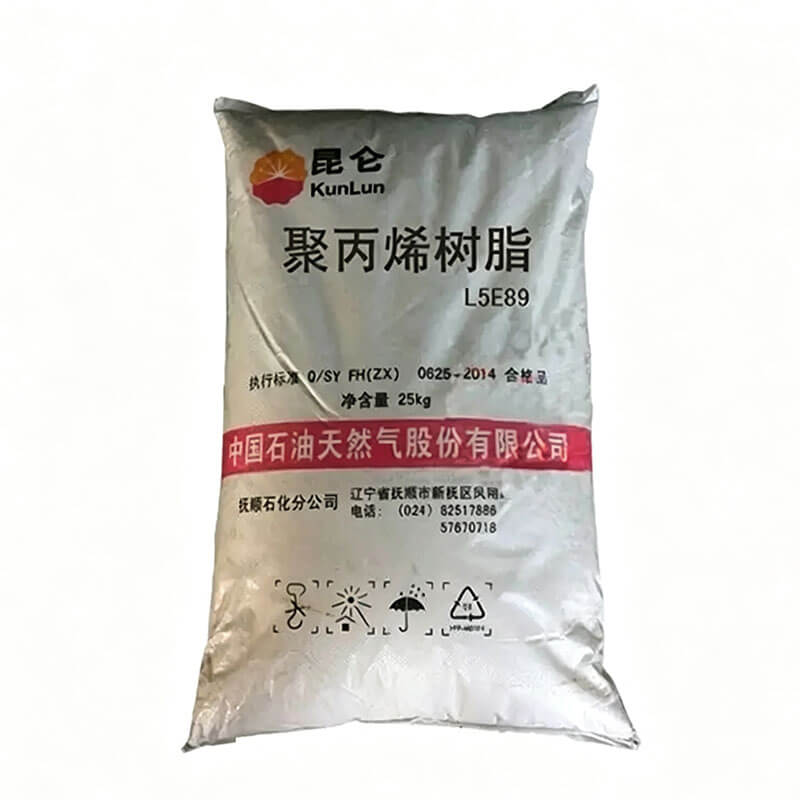
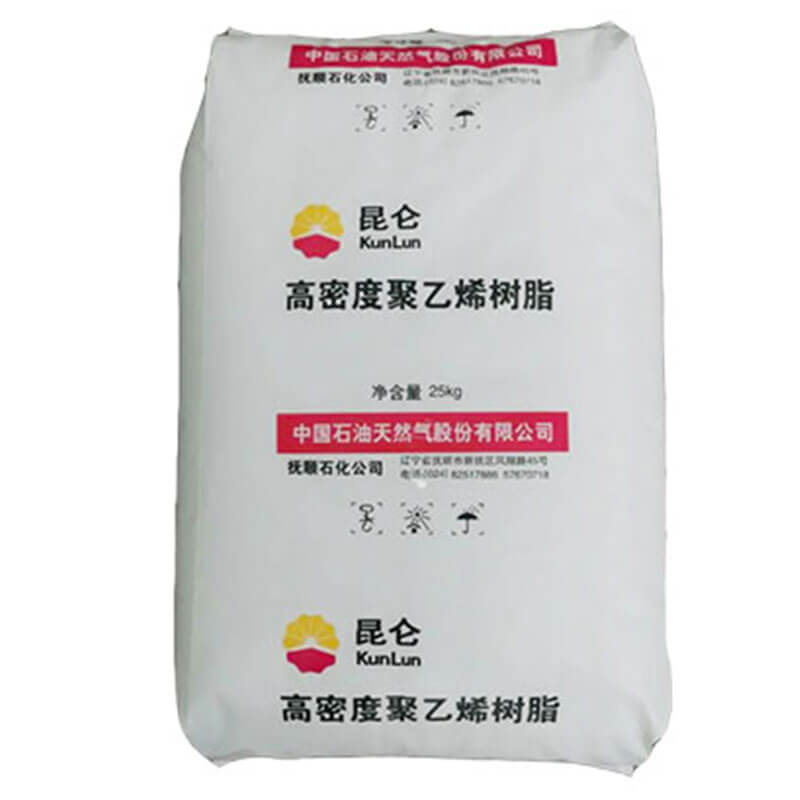
| Packing | High-Density Polyethylene (HDPE) is packaged in 25 kg moisture-resistant bags, with palletized quantities for safe transport and storage. |
| Container Loading (20′ FCL) | 20′ FCL loading of HDPE resin in FIBC bags, ensuring balanced weight, proper dunnage, and secure lashing for safe transit. |
| Shipping | High-Density Polyethylene (HDPE) ships as stable, non-hazardous resin pellets. It is typically packaged in 25 kg bags, octabins, or bulk hopper trucks/railcars. Protect from moisture, direct sunlight, and excessive heat. Keep storage dry and clean to prevent contamination, ensuring safe handling and material integrity during transit. |
| Storage | Store High-Density Polyethylene (HDPE) in a cool, dry, well-ventilated area away from direct sunlight, UV radiation, and ignition sources. Keep containers sealed and on pallets to prevent moisture uptake and physical damage. Avoid contact with strong oxidizers. Under proper conditions, HDPE is stable and safe for long-term storage. |
| Shelf Life | High-density polyethylene (HDPE) has an indefinite shelf life when stored properly, protected from UV light, heat, and strong oxidizers. |
Bimodal high-density polyethylene (HDPE) with a density of 0.948–0.955 g/cm³, an MFR (190 °C/5.0 kg) of 0.23–0.50 g/10 min, and a carbon black content of 2.0–2.5 wt% is extruded into pressure pipe on a single-screw line with a grooved feed section, L/D ratio of 30:1–38:1, barrier screw, and static mixer. The pipe-grade compound is stabilised with hindered phenolic antioxidants and, for black pipe, dispersed carbon black in accordance with ISO 4427-1:2019 and ISO 4427-2:2019; natural or blue PE100 compounds omit carbon black but retain UV stabilisation for above-ground service. The minimum required strength (MRS) of PE100 is 10.0 MPa at 20 °C for a 50-year service life under ISO 9080:2012 and ISO 12162:2009. Extrusion melt temperatures are maintained at 210–240 °C, die head temperature at 220–230 °C, and vacuum calibration at −0.03 to −0.06 MPa. Cooling water temperature is held at 15–30 °C. Solid-wall pipe is produced from 16 mm up to 1600 mm outside diameter. Slow crack growth resistance is measured by the notched pipe test ISO 13479, and rapid crack propagation resistance by the S4 test ISO 13477. PE100-RC compounds additionally satisfy PAS 1075 for resistance to point loads, rock impingement, and non-sand backfill. Hydrostatic design basis values are derived from creep rupture testing at 20 °C, 60 °C, 80 °C, and 95 °C, extrapolated to 50 years. In gas distribution, PE100 pipe complies with ISO 4437-2:2014, with a derating factor of 0.74 at 40 °C. Field failure in black HDPE pressure pipe is predominantly associated with fusion joint defects, insufficient scraping of the oxidation layer during butt fusion, or contact with sharp stones. The processing window is narrow: below 200 °C melt viscosity elevates and shark skin appears at the die, while above 250 °C surface oxidation and gel particles reduce the 80 °C hydrostatic knee. Melt pressure before the screen pack is monitored at 150–350 bar depending on die size and output.
| Parameter | PE80 | PE100 | PE100-RC |
|---|---|---|---|
| Minimum required strength at 20 °C, 50 years | 8.0 MPa | 10.0 MPa | 10.0 MPa |
| Density range | 0.940–0.949 g/cm³ | 0.948–0.955 g/cm³ | 0.950–0.958 g/cm³ |
| MFR (190 °C/5 kg) | 0.40–0.80 g/10 min | 0.23–0.50 g/10 min | 0.20–0.50 g/10 min |
| Carbon black content for black grades | 2.0–2.5 wt% per ISO 4427 | ||
High-molecular-weight HDPE blow moulding grades with a density of 0.945–0.955 g/cm³ and an MFR (190 °C/2.16 kg) of 0.20–0.70 g/10 min are selected for UN-rated jerrycans because the long-chain fraction suppresses parison sag during intermittent blow moulding. A typical 20 L jerrican is produced on an accumulator-head machine with a 70–90 mm extruder, L/D ratio of 24:1–30:1, melt temperature of 180–210 °C, and blow ratio of 2.5:1–3.2:1. Swell behaviour is die-gap and throughput dependent. A die gap above 1.5 mm combined with melt temperature above 220 °C produces an elongated parison and wall-thickness variation in the pinch-off zone. Drop test certification follows ADR 6.1.5.3 for liquids with a relative density above 1.0 and includes conditioning at −18 °C for a minimum of 24 h. The filled jerrican must withstand a drop height of 1.2 m without leakage. Stack load is evaluated under ADR 6.1.5.6, typically a load equivalent to packages stacked to 3.0 m for 28 days at 40 °C. Environmental stress crack resistance is assessed by ASTM D1693, condition A, 10% Igepal CO-630 at 50 °C; blow moulding grades commonly require ESCR F50 above 300 h, although published data for specific UN jerrican configurations is limited. Flash and defective containers are recycled as regrind at ratios up to 30 wt%, provided the regrind is filtered, dried to below 200 ppm moisture, and blended before the screw. The pinch-off region remains the critical failure site: a cold tail weld below 180 °C reduces drop impact strength and creates leakage paths. HDPE alone is not specified for prolonged contact with aromatic hydrocarbons, chlorinated solvents, or essential oils because permeation is rapid relative to multilayer barrier structures.
An HDPE geomembrane with a nominal thickness of 2.0 mm and a density of 0.940 g/cm³ is manufactured by flat-die sheet extrusion or annular blown-film extrusion. The resin is a high-density polyethylene with an MFR (190 °C/2.16 kg) of 0.10–0.50 g/10 min, a carbon black content of 2.0–3.0 wt%, and an antioxidant package designed for long-term exposure in landfill leachate. The sheet is specified under GRI-GM13, which sets minimum values for tensile strength, elongation, tear resistance, puncture resistance, and stress crack resistance. The extrusion process requires melt temperatures of 220–245 °C. Lower temperatures increase die freeze-off and pinhole defects, while higher temperatures degrade carbon black dispersion and reduce UV life. Thickness is monitored with beta gauges across the web; total thickness tolerance is ±10% with individual readings no less than −10% of nominal. On-site panel joining uses dual-track hot wedge welders with a wedge temperature of 360–420 °C and travel speed of 1.5–2.5 m/min. Destructive peel and shear tests are performed at intervals specified by the project CQA plan in accordance with GRI-GM19. Oxidative induction time is measured by ASTM D3895 at 200 °C with 35 mL/min oxygen flow. HDPE geomembrane is incompatible with concentrated oxidising acids and aromatic hydrocarbons; hydrocarbon contact softens the sheet and reduces tensile yield at the welded seam.
| Property | Test method | Minimum criterion |
|---|---|---|
| Tensile strength at yield | ASTM D6693 | 29 kN/m |
| Elongation at break | ASTM D6693 | 700% |
| Tear resistance | ASTM D1004 | 187 N |
| Puncture resistance | ASTM D4833 | 640 N |
| Stress crack resistance, NCTL, 50 °C, 30% yield, 10% Igepal | ASTM D5397 | 500 h |
| Oxidative induction time, 200 °C | ASTM D3895 | 100 min |
On high-speed closure lines, HDPE homopolymer grades with a density of 0.950–0.957 g/cm³ and an MFR (190 °C/2.16 kg) of 2.0–8.0 g/10 min are injection-moulded into tethered beverage closures with a wall thickness of 0.8–1.5 mm. The closure must comply with EU Regulation 10/2011 and Commission Regulation (EU) 2020/1245. In the United States, the base polymer is permitted under FDA 21 CFR 177.1520(c). Environmental stress crack resistance is measured by ASTM D1693, condition B, in 10% Igepal CO-630 at 50 °C; the F50 value typically exceeds 100 h for a 1.0 mm moulded plaque. The tether design mandated by Directive (EU) 2019/904 requires the cap to remain attached after bottle separation, adding a flexural hinge that is sensitive to weld-line strength at the injection gate. Mould filling is performed on high-speed injection machines with a clamping force of 150–350 t, melt temperature of 210–250 °C, mould temperature of 8–18 °C, and injection speed of 150–300 mm/s. The processing window is constrained: raising mould temperature above 30 °C improves ESCR and hinge impact but extends cycle time by 2–4 s. Lowering melt temperature below 200 °C increases frozen-in stress at the gate and produces cap cracks after 48 h in a torque test. Regrind addition is restricted to 15–25 wt% because higher closure scrap reduces ESCR and raises extractable levels. Shrinkage is 1.4–2.2% in the flow direction and 1.2–1.8% transverse, requiring tool compensation for the internal thread, tamper band, and tether hinge. The hinge itself is typically 0.3–0.6 mm thick and is flexed through more than 180°; hinge failure due to molecular orientation perpendicular to flow is a known production defect. Closures are also evaluated for torque retention at 23 °C and 40 °C, carbonation loss, and stress crack in lemon-lime test media.
Rotomoulding grades of HDPE are supplied as 35-mesh powder with a maximum particle size of 500 µm, a dry flow of 25–40 s/100 g, a bulk density of 0.35–0.45 g/cm³, and an MFR (190 °C/2.16 kg) of 3.0–7.0 g/10 min. The powder is charged into a fabricated aluminium or steel mould and rotated biaxially in a carousel or shuttle machine at a speed ratio of 4:1. For a 35,000 L vertical water storage tank with a nominal wall thickness of 8–12 mm, the oven set temperature is 280–300 °C and the peak internal air temperature is 180–210 °C. The material is maintained above 180 °C for 10–20 minutes to ensure densification. Cooling must be controlled because rapid air cooling increases warpage and internal stress at the tank chime; forced-air cooling is stopped when the mould surface falls below 120 °C. Linear HDPE rotomoulding grades are chosen instead of crosslinked PE for vertical water tanks because they permit post-mould trimming and fusion welding of fittings, whereas a crosslinked part cannot be welded after gelation. Outdoor weatherability is provided by hindered amine light stabilisers or carbon black at 2.0–2.5 wt%. Rotomoulded HDPE fuel tanks for diesel are produced under EN 13575:2003 with wall thickness calculations using a design stress of 1.0–1.5 MPa at 40 °C. The material is not suitable for neat aromatic hydrocarbon service; petrol above 30% aromatic content swells and softens the wall. A known failure mode is pinhole formation at the air-exit hole or threaded insert because the local cooling rate is higher than the surrounding wall; inserts are therefore preheated to 60–80 °C before moulding. HDPE powder is stored below 40 °C and below 60% relative humidity because moisture and static charges affect dry flow in automatic feed systems.
Blown HDPE film grades with a density of 0.941–0.960 g/cm³ and an MFR (190 °C/2.16 kg) of 0.03–0.15 g/10 min are extruded into 10–35 µm film on high-stalk or in-pocket blown film lines. The die gap is set at 0.8–1.5 mm, the blow-up ratio at 2.0:1–4.0:1, and the melt temperature at 190–230 °C. HDPE film has a tensile strength in the machine direction of 60–90 MPa and elongation at break of 200–400% depending on draw ratio, but the haze value is 30–80%. It is therefore selected for cereal liners, cracker bags, industrial can liners, and release paper rather than display-grade packaging. Water vapour transmission rate is determined by ASTM F1249 at 38 °C and 90% relative humidity; for a 25 µm monolayer HDPE film, published values fall between 4 g/m²/day and 7 g/m²/day. The processing window is narrow: below 190 °C the frost line must be raised to prevent bubble instability, and above 240 °C film surface oxidation and gels form at the die lip. Addition of 15–25% LLDPE by weight improves dart drop impact and tear propagation but raises oxygen transmission and reduces film modulus. For food contact, the base polymer is compliant with FDA 21 CFR 177.1520(c) and EU Regulation 10/2011. The film is not suitable for aromatic or oxygen-sensitive product lines; an HDPE/EVOH/HDPE coextrusion is required for oxygen barrier below 1 cm³/m²/day. Melt fracture is controlled by opening the die-lip gap above 1.2 mm when output exceeds 120 kg/h on a 100 mm die.
Competitive High‑Density Polyethylene HDPE prices that fit your budget—flexible terms and customized quotes for every order.
For samples, pricing, or more information, please contact us at +8618136850665 or mail to sales4@ascent-chem.com.
We will respond to you as soon as possible.
Tel: +8618136850665
Email: sales4@ascent-chem.com
Flexible payment, competitive price, premium service - Inquire now!
High-density polyethylene (HDPE) is a linear polyolefin classified under ISO 1043-1 as PE-HD and under ASTM D883 as a polyethylene having a base density of at least 0.941 g/cm³ when measured by ASTM D1505. The polymer consists predominantly of ethylene repeat units with short-chain branch content low enough to allow crystallization between 60% and 80% depending on comonomer type and thermal processing history, as derived from density and thermal analysis under ASTM D3418. Product designations used in specification documents include PE80 and PE100 under ISO 12162, PE4710 under ASTM D3350, and density/melt-flow-defined blow moulding and injection moulding grades. Typical tensile yield strength measured on Type IV specimens under ASTM D638-14 lies between 22 MPa and 31 MPa, and flexural modulus under ISO 178 ranges from 800 MPa to 1500 MPa for unfilled injection moulding compounds. Density is reported between 0.941 g/cm³ and 0.965 g/cm³, with higher-density grades exhibiting higher modulus but lower environmental stress crack resistance unless comonomer modification is used.
Long-term pressure service requires hydrostatic design validation. Polyethylene compounds designated PE100 must demonstrate a minimum required strength of 10 MPa at 20°C for 50 years when tested and analysed according to ISO 9080. The equivalent North American pipe classification PE4710 is assigned under ASTM D3350 on the basis of density cell, slow crack growth resistance, and hydrostatic design basis. Pipe-grade HDPE is specified for potable water distribution under ISO 4427, for gaseous fuels under ISO 4437, and for industrial pressure systems under EN 12201. These standards define compound requirements, pipe dimensions, and long-term pressure ratings, while installation and fusion joining are specified separately.
Molecular architecture is the controlling variable. HDPE synthesised by low-pressure coordination polymerisation is mostly linear, allowing close chain packing and high crystallinity. LDPE synthesised by high-pressure free-radical polymerisation carries long-chain branches, reducing density, crystallinity, and modulus. LLDPE contains short-chain branches introduced by butene, hexene, or octene comonomer and therefore offers intermediate modulus with improved stress crack resistance compared with LDPE. Polypropylene has a higher melting point and tensile stiffness, but its low-temperature impact and stress crack behaviour require copolymer modification for many durable applications.
| Property | Test Method | HDPE | LDPE | LLDPE | Polypropylene |
|---|---|---|---|---|---|
| Density (g/cm³) | ASTM D1505 | 0.941–0.965 | 0.910–0.925 | 0.916–0.940 | 0.900–0.910 |
| Tensile yield strength (MPa) | ASTM D638-14 | 22–31 | 8–12 | 15–20 | 30–38 |
| Flexural modulus (MPa) | ISO 178 | 800–1500 | 150–300 | 300–600 | 1000–1700 |
| Melting peak temperature (°C) | ASTM D3418 | 130–137 | 105–115 | 120–125 | 160–165 |
For pressure pipe service, only HDPE grades classified PE100 or PE4710 are validated for sustained circumferential stress of 10 MPa at 20°C; LDPE and LLDPE are not used at this stress level because their lower crystallinity reduces long-term creep resistance. In geomembrane lining, HDPE offers lower permeation to methane and aqueous leachate than LLDPE of equal thickness, but LLDPE provides greater flexibility for irregular subgrades. Compared with rigid PVC pipe, HDPE has lower flexural modulus and is joined by butt fusion or electrofusion under ISO 21307 instead of solvent cement, eliminating fugitive solvent emissions but requiring trained fusion operators and calibrated equipment.
PE100 pipe compounds are ordinarily characterised by melt mass-flow rate of 0.2 g/10 min to 0.4 g/10 min at 190°C and 5 kg under ISO 1133-1, density between 0.950 g/cm³ and 0.960 g/cm³, and carbon black content of 2.0% to 3.0% for black UV-stabilised grades. The hydrostatic design basis established under ISO 9080 regression uses internal pressure test data at multiple temperatures and stress levels, with failure data fitted to an extrapolation model and assessed at 20°C and 50 years. Pipe extrusion lines for PE100 typically employ a grooved-feed single-screw extruder with L/D ratio of 30:1 to 36:1, a spiral mandrel die, and a vacuum calibration tank. Barrel zone set points progress from 180°C to 220°C, while die head and melt temperatures are maintained between 200°C and 220°C; actual melt temperature must be verified by an insertion pyrometer at the adapter.
Slow crack growth resistance in PE100 is assessed through notch pipe tests or accelerated tests under ISO 13479 and ASTM F1473. Processing of PE100 requires strict temperature control because excessive melt temperature above 230°C can initiate oxidation that reduces slow crack growth performance without changing short-term tensile properties. Antioxidant packages based on hindered phenols and phosphites are incorporated to meet oxidative stability requirements under ISO 11357-6; inadequate stabiliser content is detected by low oxidative induction time before mechanical failure.
Injection moulding grades with melt flow rates between 8 g/10 min and 20 g/10 min under ISO 1133-1 at 190°C and 2.16 kg are used for crates, pallets, closures, and thin-wall packaging. Barrel zone settings from feed to nozzle typically range from 180°C to 220°C, with mould temperatures maintained between 20°C and 40°C. Because HDPE equilibrium moisture uptake at 23°C is below 0.01 wt% under ASTM D570, predrying is generally unnecessary unless surface condensation has formed during outdoor storage. Clamp force requirements for multicavity HDPE tools are derived from projected area and cavity pressure limits of 30 MPa to 40 MPa, though tool-specific calculations are required.
Accumulator-head blow moulding of HDPE containers presents a process conflict between parison sag resistance and environmental stress crack resistance. High-molecular-weight grades with melt flow rates below 0.45 g/10 min at 190°C and 2.16 kg reduce sag in large-diameter parisons but may require higher melt temperature and higher back pressure. Low-viscosity grades flow readily but produce insufficient melt strength in accumulator-head tools with shot volumes above 20 L. The ESCR value under ASTM D1693 Condition B in 10% Igepal CO-630 solution is a controlling specification for detergent, bleach, and agricultural chemical packaging; where F50 values fall below 100 h, long-term stress crack resistance is considered insufficient for aggressive surfactant containers by many industrial specifications. Hexene and octene copolymer grades have replaced many butene-based blow moulding grades because the longer comonomer side chains increase tie-molecule concentration and slow crack growth resistance, although die swell and melt index are altered.
Extrusion blow moulding grades intended for food-contact applications must comply with 21 CFR 177.1520 for olefin polymers, including extraction limits for hexane and xylene solubles where applicable. In the EU, food-contact HDPE must meet overall migration limits of 10 mg/dm² under Commission Regulation (EU) No 10/2011. For industrial chemical packaging, the same grade is selected on the basis of density, high-load melt index, and ESCR rather than solely on short-term tensile properties.
HDPE geomembranes are specified under GRI-GM13 with minimum nominal thickness 1.5 mm, density 0.940 g/cm³ minimum, carbon black content 2.0% to 3.0%, and carbon black dispersion meeting ISO 18553 rating A1 or A2. Sheet extrusion lines configured with 30:1 to 36:1 L/D single-screw extruders and flat dies of 3 m to 7 m width operate at melt temperatures from 190°C to 230°C, with polished roll stack temperatures between 60°C and 90°C to control surface gloss and dimensional stability. Seam integrity is assessed under ASTM D6392 using destructive peel and shear tests; interfacial peel separation is an operational limit rather than a cosmetic defect. HDPE sheet replaces flexible PVC in exposed lining applications where plasticizer migration and low elongation after aging would compromise service, but HDPE exhibits higher tensile modulus and lower flexibility than PVC geomembranes, requiring design allowances for thermal expansion determined by ASTM D696 of approximately 1.3 × 10⁻⁴ K⁻¹ to 1.8 × 10⁻⁴ K⁻¹.
Rotational moulding grades of HDPE with melt flow rates from 3 g/10 min to 7 g/10 min under ISO 1133-1 are used for large storage tanks and industrial containers. The process window is defined by mould surface temperature between 200°C and 230°C and peak internal air temperature between 180°C and 200°C to minimise oxidation. Insufficient peak internal air temperature produces porosity and unmelted particles; excessive temperature causes oxidative degradation and embrittlement.