| HS Code | 920125 |
| Density | 0.91-0.96 g/cm³ |
| Melting Point | 115-135 °C |
| Tensile Strength | 20-45 MPa |
| Elongation At Break | 100-800% |
| Water Absorption | <0.01% |
| Chemical Resistance | Resistant to acids, bases, and most solvents |
| Electrical Insulation | Excellent dielectric insulator |
| Flexibility | High flexibility, especially in low-density grades |
| Impact Resistance | Good to excellent, depending on grade |
| Uv Resistance | Poor without additives; susceptible to degradation |
| Thermal Conductivity | 0.33-0.45 W/(m·K) |
| Transparency | Translucent to opaque, depending on density |
As an accredited Polyethylene PE factory, we enforce strict quality protocols—every batch undergoes rigorous testing to ensure consistent efficacy and safety standards.
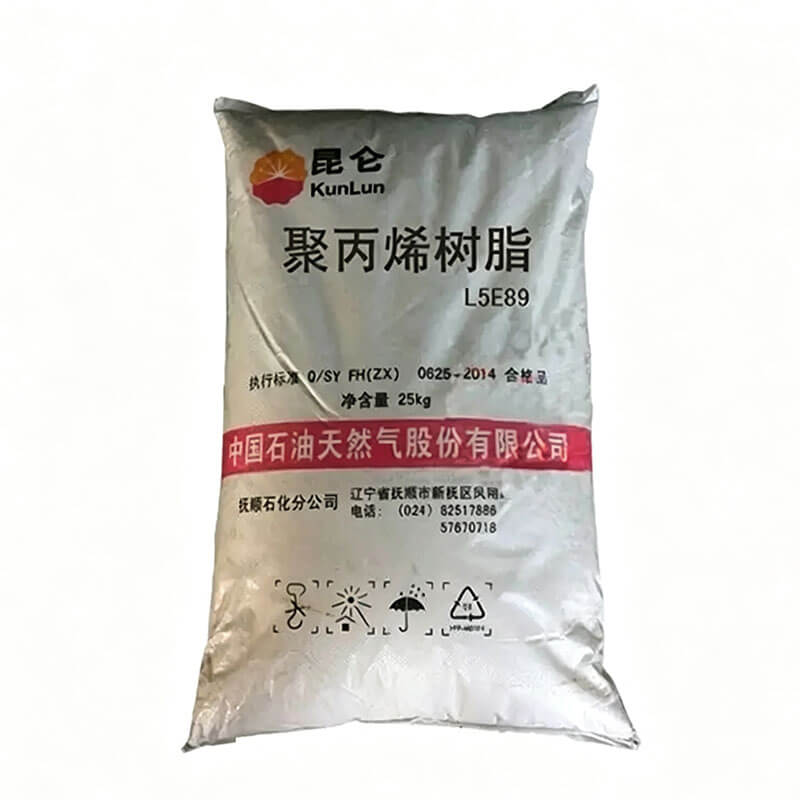
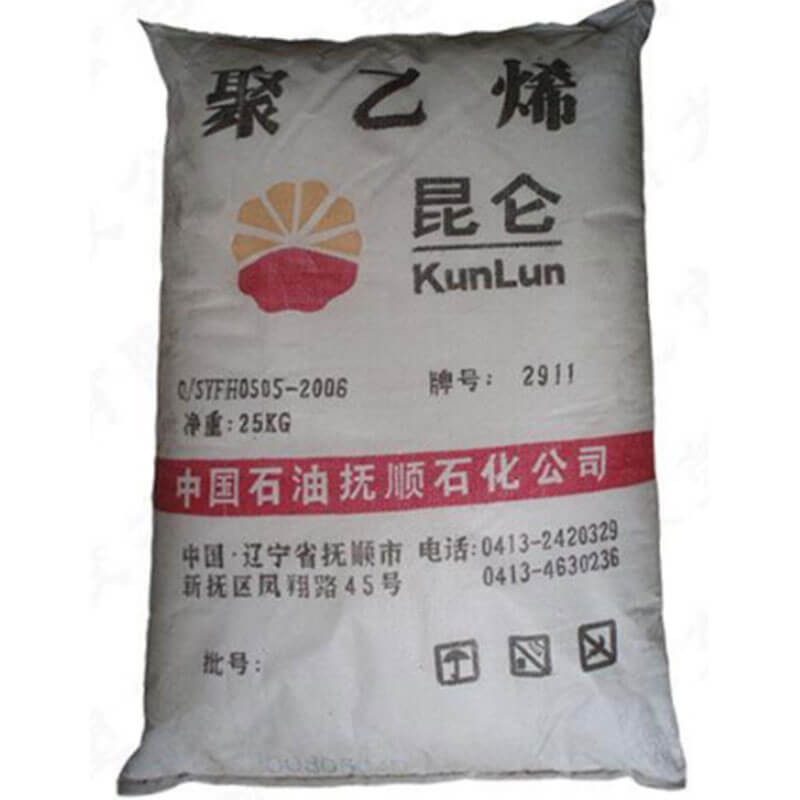
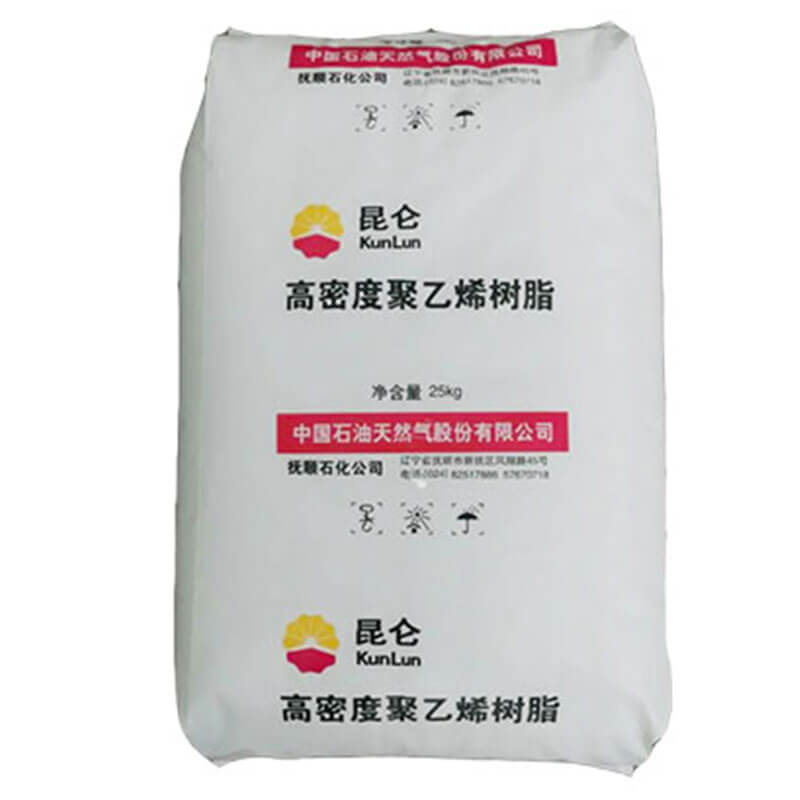
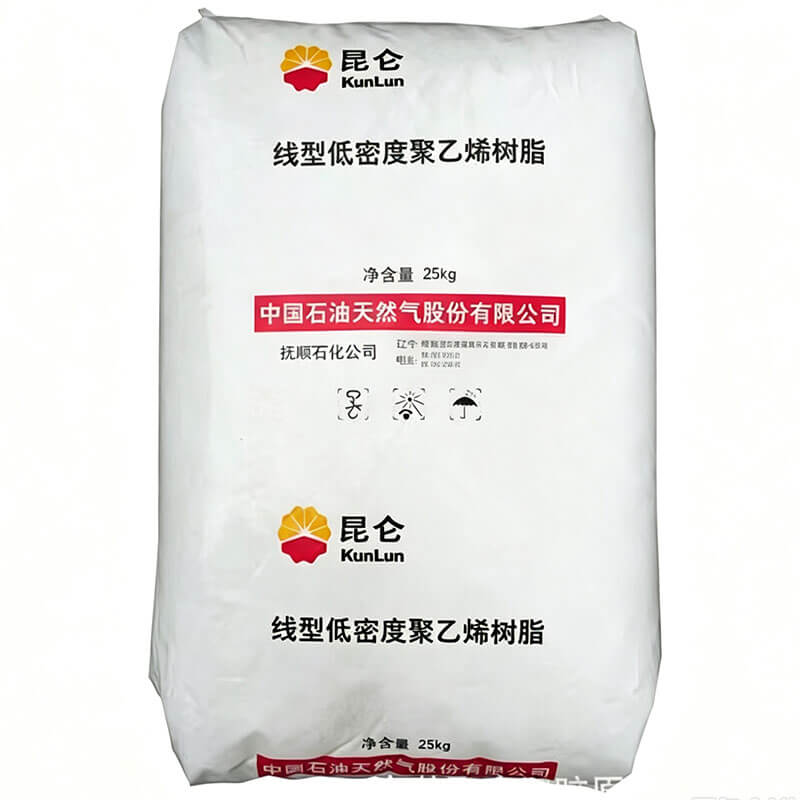
| Packing | Polyethylene PE is supplied in 25 kg sealed plastic-lined woven bags, palletized and wrapped, ensuring safe handling and storage. |
| Container Loading (20′ FCL) | Polyethylene PE in 20′ FCL: palletized bags, evenly distributed, secured, ventilated, protected from moisture, heat, and direct sunlight. |
| Shipping | Polyethylene (PE) is shipped as non-hazardous resin pellets or granules. It is packed in moisture-resistant woven bags, supersacks, or bulk hopper trucks/railcars. Avoid dust accumulation and static ignition. Store away from heat, sparks, and strong oxidizers. Keep dry and handle with standard industrial equipment. |
| Storage | Store polyethylene (PE) in a cool, dry, well-ventilated area away from direct sunlight, heat, and ignition sources. Keep containers sealed to prevent contamination and moisture absorption. Avoid generating dust; if fines are present, use proper grounding and dust-control measures. No special incompatible materials are required, but separate from strong oxidizers. |
| Shelf Life | Polyethylene (PE) has an indefinite shelf life when stored away from UV light, heat, and oxygen. |
For monolayer blown film, a linear low-density polyethylene (LLDPE) with melt index 1.0–2.0 g/10 min (ISO 1133-1:2022, 190 °C/2.16 kg) and density 0.918–0.922 g/cm³ is processed on a single-screw extruder with barrier screw, L/D 30:1, die gap 1.2–2.0 mm, melt temperature 195–230 °C, blow-up ratio 2.2:1–3.0:1, and frost-line height 120–220 mm from the die face. Formulation for food-contact monolayer web commonly contains 80–90 wt% LLDPE butene copolymer blended with 10–20 wt% LDPE carrying melt index 0.8–2.0 g/10 min, antioxidant masterbatch at 0.5–1.5 wt%, and slip/antiblock masterbatch at 1.0–2.5 wt%, producing final erucamide surface levels of 800–1200 ppm and silica surface levels of 1500–2500 ppm. Downstream conversion includes internal bubble cooling, online thickness profiling, corona discharge to 38–46 mN/m, and in-line slitting; dart impact and tear resistance are tested under ASTM D1709 and ISO 6383-2. Regulatory compliance is confirmed under FDA 21 CFR 177.1520, EC 10/2011, and REACH 1907/2006. Converted articles produced from this web include frozen vegetable bags, bread bags, hygiene film overwrap, heavy-duty sacks, industrial liners, and form-fill-seal lamination substrates. When downgauging below 20 µm, melt fracture risk increases unless die land is shortened or a fluoropolymer processing aid is added at 0.05–0.1 wt%.
Pressure-rated HDPE pipe compounds are classified either as PE100 under ISO 4427 or as PE4710 under ASTM D3350-21; both classifications require a long-term hydrostatic strength of 10 MPa at 20 °C for 50 years for PE100 and 1600 psi (11.0 MPa) at 23 °C for PE4710. The compound is typically produced from a bimodal high-density resin with density 0.945–0.955 g/cm³ and melt flow rate 0.2–0.6 g/10 min at 190 °C/5 kg (ISO 1133-1:2022). Formulation addition for black pipe uses carbon black masterbatch at 2.0–2.5 wt%, a hindered phenolic antioxidant at 0.15–0.35 wt%, and no mineral filler. The extrusion line employs a grooved-feed single-screw extruder with L/D 33:1, barrel temperatures 190–230 °C, die head melt pressure 25–35 MPa, vacuum calibration, and spray cooling to hold wall thickness tolerance to ±0.2 mm at diameters up to 630 mm. Compliance benchmarks for potable water and gas service are ISO 4427-2, ISO 4437, EN 12201-2, and ASTM F714. Slow crack growth resistance is verified with notched pipe test ISO 13479 or PENT ASTM F1473; failure times below 500 h at 2.4 MPa indicate inadequate SCG resistance. End-use pipe segments supplied from this compound include potable water mains, gas distribution pipes, sewer force mains, mining slurry lines, dredging pipelines, and buried cable duct. Processing boundary: rework content above 15 wt% reduces slow crack growth and is not recommended for pressure service; continuous operation above 40 °C requires pressure derating.
| Classification parameter | PE100 | PE4710 | Test method |
|---|---|---|---|
| Long-term hydrostatic strength | 10 MPa at 20 °C | 1600 psi at 23 °C | ISO 9080 / ASTM D2837 |
| Density | 0.945–0.955 g/cm³ | 0.945–0.955 g/cm³ | ISO 1183-1 |
| Melt flow rate at 190 °C/5 kg | 0.2–0.6 g/10 min | 0.2–0.6 g/10 min | ISO 1133-1 |
| Notched pipe slow crack growth | >500 h | >500 h | ISO 13479 |
For thin-wall HDPE packaging, the melt flow rate is selected in the range 6–12 g/10 min (ISO 1133-1:2022) to fill wall sections of 0.45–1.2 mm without flash. The formulation consists of neat high-density resin with density 0.950–0.960 g/cm³, colour masterbatch at 1.0–2.0 wt%, and optional fluoropolymer processing aid at 0.1–0.3 wt%; melt temperature is held at 180–230 °C, mould temperature at 15–40 °C, injection pressure at 60–100 MPa, and holding pressure at 35–60 MPa. Shrinkage is measured according to ASTM D955-21; parallel shrinkage of 1.5–2.0% and perpendicular shrinkage of 1.8–2.5% account for warpage in flat lids and closures when cooling is asymmetric. Material compliance falls under FDA 21 CFR 177.1520, EC 10/2011 with an overall migration limit of 10 mg/dm², and ASTM D4976-12a for material designation. Moulded article types produced from this grade include beverage crates, industrial pails, screw caps, closures, thin-wall food containers, and tote boxes. Processing boundary: regrind addition above 30 wt% reduces notched Izod impact measured under ISO 180:2023; mould temperature below 10 °C produces sink marks and weld-line embrittlement.
Unlike screw plasticating processes, rotational moulding loads 35-mesh (500 µm) high-density powder with melt index 3.5–6.5 g/10 min (ISO 1133-1:2022) directly into a fabricated steel mould at ambient temperature. The oven is held at 280–320 °C, the mould internal air temperature reaches 180–200 °C, and the mould rotates at 4–6 min⁻¹ primary and 8–12 min⁻¹ secondary to prevent local powder bridging. Formulation addition for outdoor service includes hindered amine light stabiliser masterbatch at 0.15–0.30 wt%, antioxidant at 0.10–0.20 wt%, and colour concentrate at 0.10–0.25 wt%; pigment loadings above 0.5 wt% lower environmental stress crack resistance unless the base resin has a notched constant tensile load failure time above 400 h under ASTM F2136. Regulatory acceptance is established through ASTM D1998-21 for upright storage tanks, FDA 21 CFR 177.1520 where water-contact approval is required, and ISO 1872-1 for material designation. Rotationally moulded components in this class include vertical water tanks, chemical storage vessels, IBC outer shells, agricultural sprayer tanks, kayak hulls, and outdoor leisure parts. Processing boundary: narrow-wall sections below 3 mm require internal pressurisation during cooling to prevent shrinkage voids; oven residence time above 20 min causes oxidative embrittlement.
In extrusion coating, low-density polyethylene with melt index 4–8 g/10 min (ISO 1133-1:2022) and density 0.915–0.918 g/cm³ is applied to paperboard, aluminium foil, or oriented polypropylene at coating weights of 10–30 g/m². The coating line is configured with a slot die gap 0.4–0.7 mm, melt temperature 315–330 °C, air gap 150–250 mm, chill roll temperature 15–20 °C, and line speed 100–300 m/min; oxidation at high melt temperature increases carbonyl group formation and improves adhesion to aluminium foil. Formulation addition is usually 100 wt% LDPE coating grade, with 5–15 wt% LLDPE added only where puncture resistance or tear strength must be raised. No slip or antiblock is used in adhesive layers; for heat-seal layers, erucamide slip is 500–1200 ppm and silica antiblock is 2000–5000 ppm. Food-contact status is governed by FDA 21 CFR 177.1520 and EC 10/2011; overall migration testing follows EN 1186-1 and EN 1186-14. Final laminated structures downstream include aseptic liquid cartons, paper cups, sachet webs, medical packaging, and laminated pouch constructions. Processing boundary: melt temperatures below 300 °C reduce adhesion to aluminium foil; air gap above 300 mm increases neck-in and produces heavy edge bead.
To produce crosslinked polyethylene insulation for building wire and medium-voltage power cables, low-density polyethylene with melt index 2.0–3.0 g/10 min (ISO 1133-1:2022) is compounded with dicumyl peroxide at 1.5–2.0 phr, hindered phenolic antioxidant at 0.2–0.5 phr, and, for outdoor or jacketing applications, carbon black masterbatch at 2.5–6.0 wt%. The extrusion line is a catenary continuous vulcanization system with heated tube zone 300–400 °C, nitrogen pressure 1.0–1.5 MPa, and water cooling to solidify the insulation before reel take-up. Crosslink density is measured as gel content 65–90% by solvent extraction according to ASTM D2765-16 or IEC 60811-507; below 65% gel content, hot set elongation exceeds 175% and the insulation deforms under short-circuit temperature. After crosslinking, methane and cumyl alcohol by-products are removed by degassing at 60–80 °C for 24–72 h, reducing methane below flammability threshold in cable accessories. Conformity testing is performed against IEC 60502-1 for cables rated 1–3 kV, IEC 60502-2 for cables rated 6–30 kV, UL 44 for XHHW-2, and ASTM D2656 for crosslinked polyethylene insulation. Cable product categories using this insulation system include medium-voltage power cable insulation, XHHW-2 building wire, photovoltaic cable insulation, and automotive battery cable insulation. Processing boundary: conductor preheat above 90 °C can initiate scorch in the die head, while insufficient soak time leaves residual peroxide that creates voids at the conductor interface.
Competitive Polyethylene PE prices that fit your budget—flexible terms and customized quotes for every order.
For samples, pricing, or more information, please contact us at +8618136850665 or mail to sales4@ascent-chem.com.
We will respond to you as soon as possible.
Tel: +8618136850665
Email: sales4@ascent-chem.com
Flexible payment, competitive price, premium service - Inquire now!
Polyethylene (PE) is a semicrystalline thermoplastic produced by polymerisation of ethylene, available in four principal commercial models: PE-LD, PE-LLD, PE-HD, and PE-UHMW. Density measured according to ASTM D1505 or ISO 1183-1 separates the families: PE-LD spans 0.910–0.925 g/cm³, PE-LLD spans 0.910–0.940 g/cm³, PE-HD spans 0.941–0.965 g/cm³, and PE-UHMW commonly occupies 0.930–0.945 g/cm³. Melt mass-flow rate is determined at 190 °C under 2.16 kg per ISO 1133-1 or ASTM D1238, with high-load 21.6 kg used for high-molecular-weight grades. The material is not a single specification but a family of compounds whose density, melt flow rate, comonomer type, stabiliser package, filler loading, and additive package are controlled by the grade datasheet. Polyethylene is used in blown film, blow moulding, injection moulding, pressure pipe, wire and cable insulation, and rotational moulding. Specification conformance is generally anchored to ASTM D4976 for moulding and extrusion materials and to ISO 1872-1 for the international designation system.
For pressure piping, the relevant designations are PE80 and PE100 under ISO 12162, where the number denotes a minimum required strength at 20 °C for 50 years of 8 MPa and 10 MPa, respectively, based on ISO 9080 hydrostatic testing. Crosslinked grades are classified separately as PE-X under ISO 15875, with the crosslinking method designated as peroxide (PEX-A), silane (PEX-B), or electron beam (PEX-C). These standard designations function as product models and allow direct substitution of materials from different suppliers only when the full data block, not merely the density and melt flow rate, is matched.
Under ISO 1872-1, a designation data block encodes the polymer family, density, melt flow rate, and additive or processing stabilisation. A PE-HD grade with density 0.950 g/cm³ and MFR 8 g/10 min is specified through the standard cell structure rather than through a trade name alone. In ASTM D4976, PE materials are specified by property cells covering density, melt index, tensile strength, slow crack growth resistance, and dielectric strength. The cell classification does not imply interchangeability; a grade meeting the same cell class may differ in catalyst residue, antioxidant package, die swell, or organoleptic profile. Selection of PE-HD versus PE-LD is governed by mechanical load: PE-HD is selected when tensile yield strength above 18 MPa and modulus above 600 MPa are required, while PE-LD is selected for flexible films and closures where yield strength below 15 MPa and low modulus ease orientation. The high-load melt index ratio, calculated as HLMI divided by MI, is used to infer molecular weight distribution; a ratio above 50 typically indicates broad molecular weight distribution for blow moulding. PE-LD has long-chain branching, giving pronounced shear thinning and processability in blown film at melt temperatures of 160–220 °C.
Melt flow classification is an inverted viscosity index; higher MFR values indicate lower molecular weight and lower viscosity. HDPE injection grades commonly range from 4 g/10 min to 30 g/10 min, HDPE blow moulding grades from 0.2 g/10 min to 1.0 g/10 min, and LLDPE film grades from 0.5 g/10 min to 2.0 g/10 min. For blown film, LLDPE requires higher extruder torque and melt temperature settings than LDPE at the same MFR because the linear backbone produces higher shear viscosity at extrusion rates. Single-screw extruder suppliers commonly specify barrier screws with 24:1–30:1 L/D and compression ratios of 2.5:1–3.5:1 for LLDPE, and 20:1–24:1 L/D for LDPE. Die gaps in blown film lines are typically 0.8–2.0 mm. Melt temperatures are held at 160–220 °C for LDPE and 190–240 °C for LLDPE/HDPE, with barrel profiles increasing toward the die.
On a 1,500 kN injection moulding press running a 0.950 g/cm³ HDPE grade with an MFR of 8 g/10 min, typical supplier bulletins describe barrel settings from 180 °C at the feed throat to 240 °C at the nozzle, with mould temperature held at 20–50 °C. Clamp force requirements for HDPE are commonly estimated at 3–5 kN/cm² of projected area. Melt injection pressures are generally 70–110 MPa, with pack pressures 40–70 MPa. Mould shrinkage after 24 h, measured per ASTM D955, ranges from 1.5–3.0% for HDPE and 1.5–4.0% for LDPE. Pre-drying is not required when resin is stored below 60% RH; if surface condensation is present, drying at 70–80 °C for 1–2 h is applied. Processing PE after PVC in a shared extruder requires a purge sequence because residual PVC releases hydrogen chloride and accelerates corrosion.
Table 1. Comparative property envelopes for PE grade families based on published supplier data.
| PE family | Density (ASTM D1505) | MFR at 190 °C/2.16 kg (ISO 1133-1) | Tensile yield strength (ASTM D638) | Tensile modulus (ISO 527-2) |
|---|---|---|---|---|
| PE-LD | 0.910–0.925 g/cm³ | 0.2–70 g/10 min | 8–15 MPa | 100–300 MPa |
| PE-LLD | 0.910–0.940 g/cm³ | 0.5–20 g/10 min | 10–25 MPa | 150–500 MPa |
| PE-HD | 0.941–0.965 g/cm³ | 0.03–30 g/10 min | 18–32 MPa | 600–1,400 MPa |
| PE-UHMW | 0.930–0.945 g/cm³ | Not applicable; intrinsic viscosity 10–35 dL/g | 17–21 MPa | 500–900 MPa |
The values in Table 1 are not single grade specifications; they represent typical ranges across commercial formulations. For UHMWPE, melt flow rate is not applicable, and intrinsic viscosity measured per ISO 1628-3 is the primary molecular weight indicator.
Polyethylene is selected over polypropylene when low-temperature impact and environmental stress crack resistance are the controlling requirements. PP homopolymer has a glass transition temperature near 0 °C, while HDPE retains ductile behaviour below -40 °C in ASTM D256 Izod impact and ASTM D746 brittleness tests. The density penalty is modest, but the stiffness differential is significant: PP homopolymer tensile modulus is typically 1.0–1.8 GPa, whereas HDPE tensile modulus is 0.6–1.4 GPa. In pressurised pipe, PE100 grades have notched pipe test values under ISO 13479 exceeding 1,000 h, while PP-H and PP-R pipe grades are selected primarily for higher-temperature drainage and hot water lines. For detergent bottle and container applications, HDPE grades with ESCR F50 > 300 h per ASTM D1693 are specified because PP does not fail by the same slow crack growth mechanism but can oxidise under aggressive surfactants at elevated temperature.
Conversely, polypropylene is preferred over PE when continuous service temperature exceeds 80–90 °C; HDPE heat deflection temperature under 0.455 MPa is often 70–100 °C, while PP homopolymer HDT is 90–120 °C per ASTM D648. Chemical resistance also differs: HDPE tolerates many aqueous salt solutions, dilute alkalis, and selected acids at ambient temperature, but swells markedly in aromatic hydrocarbons such as toluene and xylene. PP is similarly attacked by strong oxidising acids, but can withstand some polar organics better at elevated temperature. The decision to replace PP with PE therefore requires derating for stiffness, thermal service, and dimensional retention, not simply matching melt flow rate.
Environmental stress cracking in HDPE is accelerated by polar wetting agents, so container formulations are specified with ESCR testing according to ASTM D1693 and notch pipe testing under ISO 13479 for pressure pipe. Outdoor weathering requires stabilisation with 2–3 wt% carbon black or hindered amine stabiliser packages; without UV additives, tensile elongation retention after xenon arc exposure under ASTM G155 can drop below 50% within several thousand hours. Water vapour transmission through PE is lower than through cellulosic or polyamide films, but oxygen permeability is high; published oxygen permeation data for LDPE at 23 °C are commonly 1,000–2,000 cm³·mm/(m²·day·atm), compared with 30–50 for biaxially oriented PET and 0.5–5 for EVOH. PE is therefore not recommended as an oxygen barrier unless coextruded with EVOH or metallised. Continuous contact with strong oxidising acids, chlorinated hydrocarbon solvents, and high concentrations of hydrogen peroxide above 50 °C should be avoided because chain scission and surface cracking occur.
Food contact grades are supplied under FDA 21 CFR 177.1520, which covers olefin polymers; EU food contact under Regulation (EU) 10/2011; and general chemical registration under REACH EC 1907/2006. RoHS compliance for electrical equipment is assessed under 2011/65/EU. Medical packaging grades require biological evaluation per ISO 10993-5 and ISO 10993-10, and pharmacopeial testing per USP <87> and USP <88> when the PE contacts injectable or mucosal surfaces. The migration limit for plastic food contact materials under EU 10/2011 is an overall migration of 10 mg/dm² or 60 mg/kg for infant foods, measured with simulant conditions specified in the regulation.
Table 2. Compliance matrix for common PE application classes.
| Application class | Standard or regulation | Test condition | Typical acceptance value |
|---|---|---|---|
| Food contact olefin polymer | FDA 21 CFR 177.1520 | Extraction and end-use testing | Meets paragraph (c) olefin polymer requirements |
| EU food contact | EU 10/2011 | Overall migration in food simulants | 10 mg/dm² |
| Pressure pipe | ISO 4427 / ISO 9080 | Hydrostatic stress rupture | PE100 MRS 10 MPa at 20 °C for 50 years |
| Injection moulding grades | ASTM D4976 / ISO 1872-1 | Density, MFR, tensile | Cell class per grade datasheet |
| Medical packaging | ISO 10993-5 / USP <88> | Cytotoxicity, systemic injection | No observed acute toxicity |
| RoHS | 2011/65/EU | XRF screening | Pb, Hg, Cd, Cr(VI) below limit |
Compliance data is grade-specific and cannot be inferred from density or melt flow rate alone. A PE-HD food contact grade may carry FDA and EU declarations only if the antioxidant and processing-aid package is listed in the relevant positive lists; otherwise the same density and MFR resin is not compliant. For medical applications, lot-to-lot extractables profiles must be evaluated under the final sterilisation condition, because gamma irradiation at 25–40 kGy can generate oxygenated species that alter USP test results. Published data for steam-sterilised PE is limited because PE softens above 120 °C and is not suitable for autoclave cycles above 121 °C for rigid packaging.